
Zamia huilensis
Zamia huilensis is a species of cycad belonging to the Zamiaceae family. It is known by the common name palma de monte and is native to Colombia. This species is characterized by its arborescent growth form and is part of the diverse group of plants known as cycads.
Key Facts
- ›Zamia huilensis is a species of cycad.
- ›It belongs to the botanical family Zamiaceae.
- ›The common name for this species is palma de monte.
- ›It is a new species described in 2012.
- ›The species is native to the Department of Huila in Colombia.

Palma De Monte
Colombia
About Zamia huilensis
Zamia huilensis is a species of cycad belonging to the Zamiaceae family. It is recognized by its common name, palma de monte, and is a notable member of the ancient lineage of seed-bearing plants known as cycads, which often bear a superficial resemblance to palms.
Botanical Description
This species is characterized by its arborescent growth form, meaning it develops a tree-like structure with a distinct trunk. The formal description of Zamia huilensis as a new species was published in 2012, highlighting its distinct botanical features within the Zamia genus.
Geographic Distribution
Zamia huilensis is indigenous to the Department of Huila, a region situated in the Eastern Cordillera of Colombia. Its discovery and classification contribute to the understanding of cycad diversity in South America.
Source: Wikipedia ↗
Frequently Asked Questions
What is Zamia huilensis?
Zamia huilensis is a species of cycad, a type of ancient seed-bearing plant. It is classified within the Zamiaceae family and is known for its arborescent growth habit.
What is the common name for Zamia huilensis?
The commonly used name for Zamia huilensis is palma de monte. This name is often associated with its palm-like appearance.
Where does Zamia huilensis come from?
Zamia huilensis is indigenous to the Department of Huila, located in the Eastern Cordillera of Colombia. Its discovery and description were formally published in 2012.
What kind of plant is Zamia huilensis?
Zamia huilensis is a cycad, which are gymnosperms that resemble palm trees. They are distinct from true palms and are among the oldest living groups of seed plants.
Related Cycad species
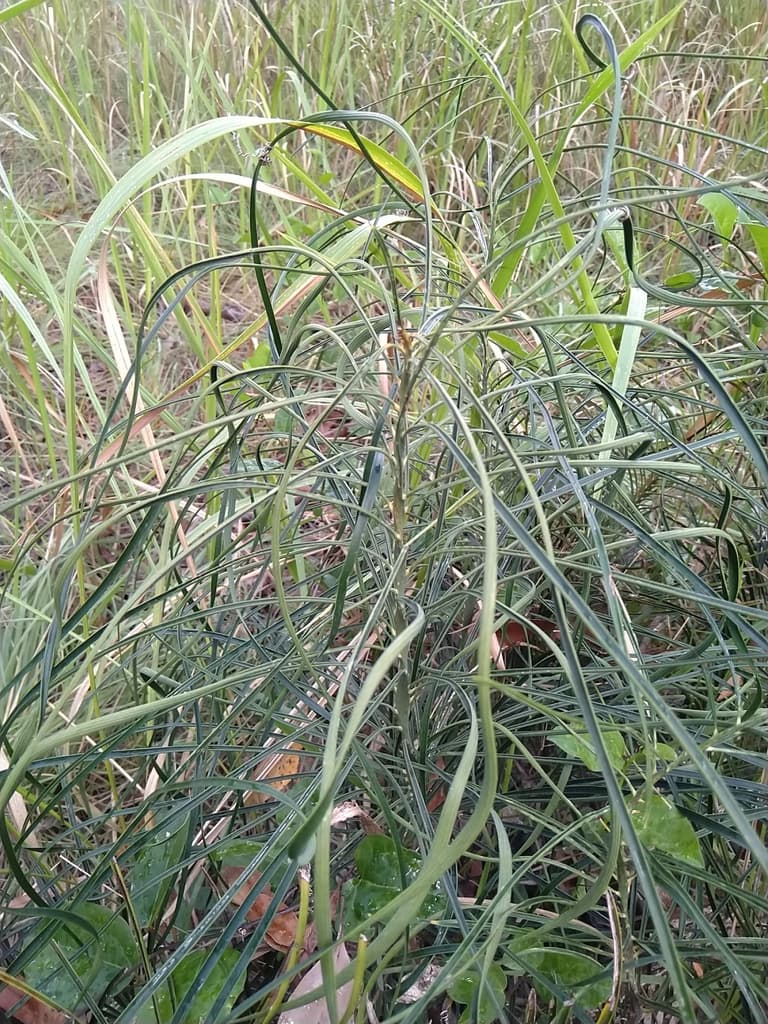
Macrozamia parcifolia
Macrozamia parcifolia is a species of cycad native to Australia, belonging to the Zamiaceae family. Its botanical characteristics are primarily defined by its classification within this family, though specific details regarding its morphology, habitat, and distribution are limited in available records.

Cycas debaoensis
Cycas debaoensis is a cycad species native to the Guangxi region of China, found in sunny environments at elevations between 700 and 1000 meters. Its distinctive botanical feature is its tripinnate leaves, which possess spines along the rachis. The species is closely related to Cycas multipinnata.

Cycas inermis
Cycas inermis is a plant species belonging to the Cycadaceae family, native to Laos and Vietnam. It is characterized by an erect trunk and pinnate fronds with numerous lanceolate leaflets. This dioecious species produces distinct male and female cones and is found in seasonal tropical forests on various soil types.