
Macrozamia elegans
Eucalypt woodland, dense vegetation·Arborescent
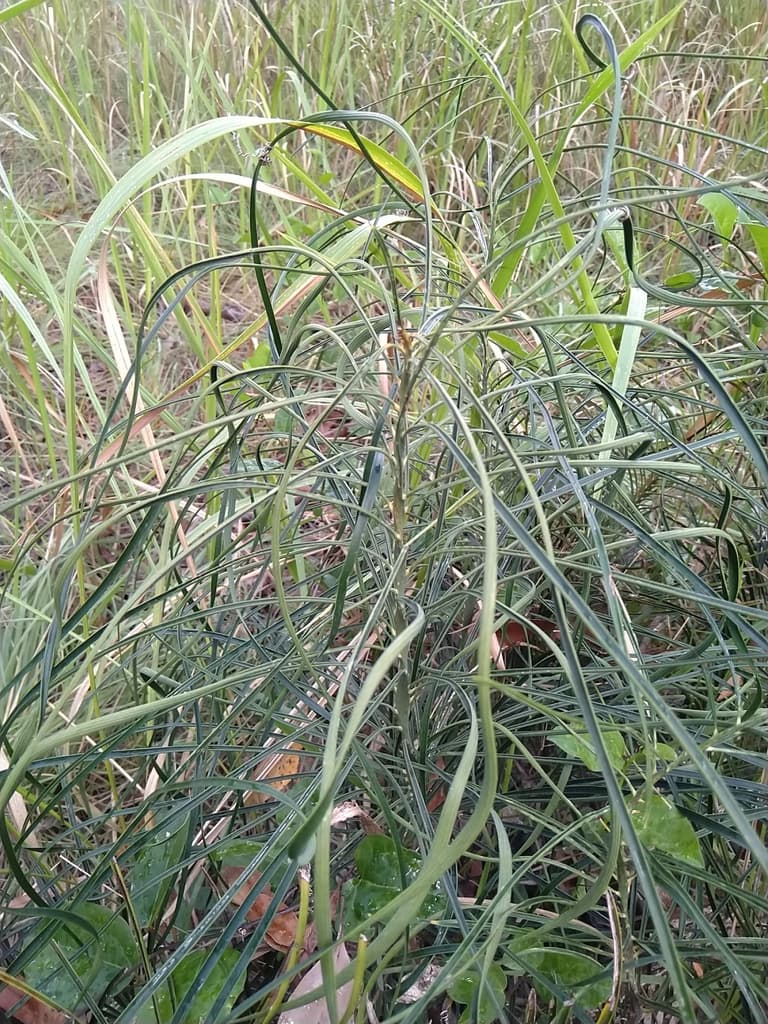
Macrozamia elegans is a species of cycad native to New South Wales, Australia, specifically found in the Blue Mountains near Mountain Lagoon. It thrives in dense eucalypt woodland habitats and is characterized by its elegant, palm-like fronds.
Key Facts
- ›Endemic to New South Wales, Australia.
- ›Found in the Blue Mountains, near Mountain Lagoon.
- ›Occurs in dense vegetation within eucalypt woodland.
- ›Belongs to the Zamiaceae family.
- ›Characterized by its elegant leaf form.

New South Wales, Australia
Elegant, Palm-Like Fronds
About Macrozamia elegans
Macrozamia elegans is a species of cycad native to the Australian state of New South Wales. This particular species is endemic to the region, meaning it is found nowhere else in the world. Its natural distribution is concentrated in the Blue Mountains, specifically in the vicinity of the village known as Mountain Lagoon.
This cycad thrives in environments characterized by dense vegetation, typically within eucalypt woodland habitats. The "elegans" in its scientific name likely refers to the aesthetic quality of its foliage, which is described as elegant and palm-like. While specific details about its reproductive structures and growth habits are not extensively documented in available records, Macrozamia elegans contributes to the unique flora of its native Australian landscape.
Source: Wikipedia ↗
Frequently Asked Questions
Where is Macrozamia elegans found?
Macrozamia elegans is endemic to New South Wales, Australia. It is specifically found in the Blue Mountains region, near the village of Mountain Lagoon.
What kind of habitat does Macrozamia elegans prefer?
This species grows in dense vegetation. Its preferred habitat is within eucalypt woodland environments.
What is the family of Macrozamia elegans?
Macrozamia elegans belongs to the botanical family Zamiaceae, which is a group of cycads.
Related Cycad species
Macrozamia parcifolia
Macrozamia parcifolia is a species of cycad native to Australia, belonging to the Zamiaceae family. Its botanical characteristics are primarily defined by its classification within this family, though specific details regarding its morphology, habitat, and distribution are limited in available records.

Cycas debaoensis
Cycas debaoensis is a cycad species native to the Guangxi region of China, found in sunny environments at elevations between 700 and 1000 meters. Its distinctive botanical feature is its tripinnate leaves, which possess spines along the rachis. The species is closely related to Cycas multipinnata.

Lepidozamia hopei
Lepidozamia hopei, commonly known as Hope's cycad or zamia palm, is a cycad species endemic to a small region of Queensland, Australia. It is renowned for its impressive stature, reputed to be the tallest cycad species, growing as an understorey tree in rainforest environments. Botanically, it is characterized by its tall, single trunk, long fronds with numerous leaflets, and exceptionally large reproductive cones.