
Macrozamia moorei
Arborescent·Information on conservation status is not provided in the text.
Macrozamia moorei is a tall-growing cycad species native to Queensland, Australia, belonging to the Zamiaceae family. It is characterized by its imposing height, reaching up to 7 meters, and its distinctive keeled leaves, which can be up to 2.5 meters long and bear numerous spines. This species is cultivated as an ornamental plant by specialty nurseries.
Key Facts
- ›Native to Queensland, Australia.
- ›Can grow up to 7 meters tall with a trunk diameter of 50-80 cm.
- ›Features keeled leaves up to 2.5 meters long.
- ›Leaves have numerous spines on short petioles.
- ›Possesses 120-220 leaflets, each measuring 20-35 cm long and 5-10 mm broad.
- ›Cultivated as an ornamental plant.
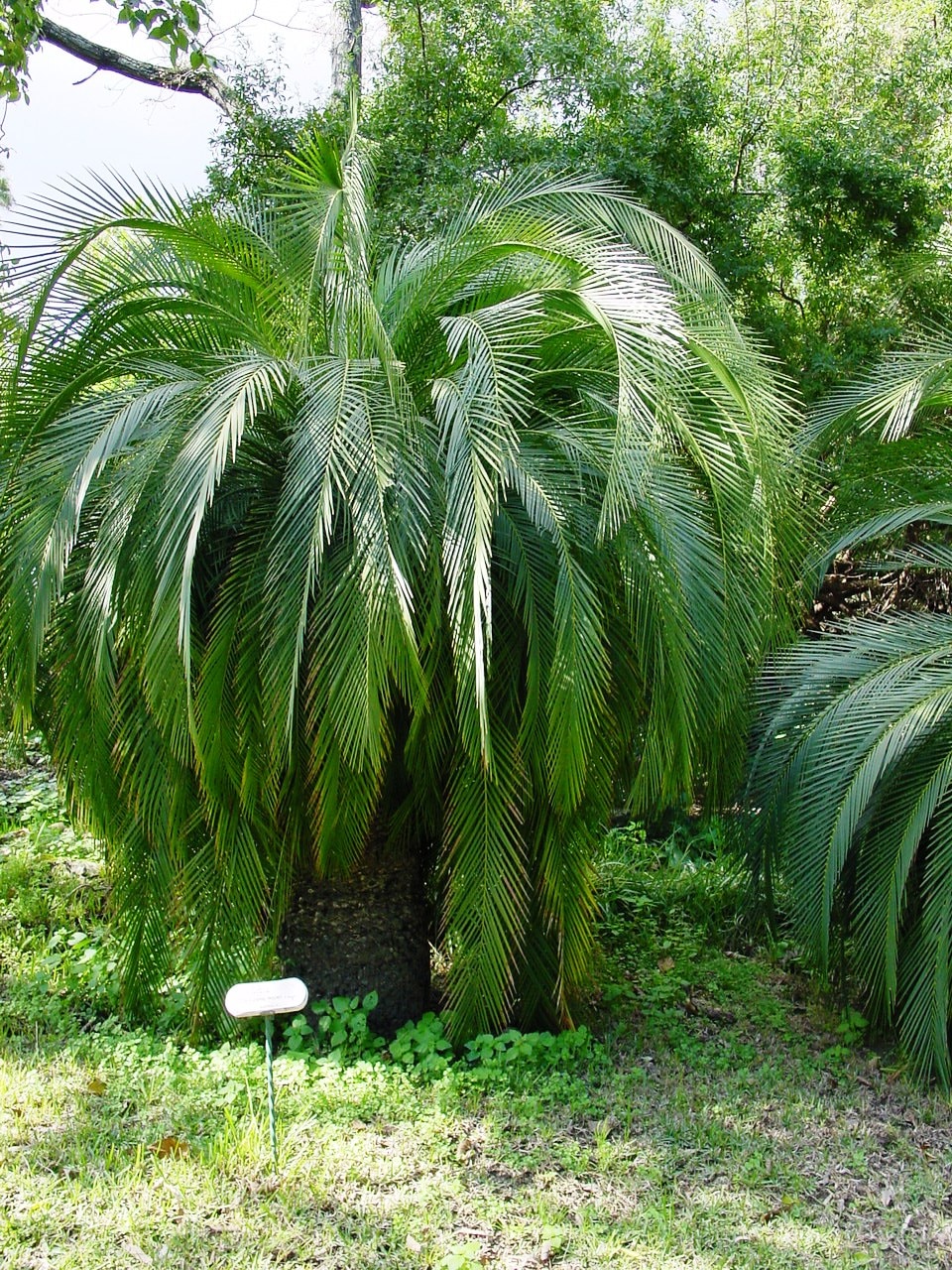
Queensland, Australia
Grows Up To 7 Meters Tall, Trunk Diameter of 50–80 cm
Keeled Leaves, Up To 2.5 Meters Long, 120–220 Leaflets Per Leaf, Leaflets Are 20–35 cm Long and 5–10 mm Broad
- Information on cone characteristics is not provided in the text.
Ornamental Plant
About Macrozamia moorei
Macrozamia moorei is a species of cycad native to Queensland, Australia, belonging to the family Zamiaceae. Described by Ferdinand von Mueller in 1881, the species was named in honor of Charles Moore, who served as the director of the Royal Botanic Gardens in Sydney.
Description and Characteristics
This cycad is distinguished by its impressive stature, being the tallest-growing species within the Macrozamia genus. Mature specimens can reach heights of up to 7 meters (approximately 23 feet), with a substantial trunk diameter ranging from 50 to 80 centimeters. The plant features robust, keeled leaves that can extend up to 2.5 meters (about 8.2 feet) in length. These leaves are attached to short petioles that bear numerous spines. Each leaf is composed of a significant number of leaflets, typically between 120 and 220. Individual leaflets measure 20 to 35 centimeters long and 5 to 10 millimeters broad.
Cultivation and Use
Macrozamia moorei is recognized for its ornamental appeal and is cultivated by specialty plant nurseries. Its striking form and architectural foliage make it a desirable specimen for gardens and collections.
Source: Wikipedia ↗
Frequently Asked Questions
What is the scientific name for this cycad species?
The scientific name for this cycad is Macrozamia moorei. It was described by Ferdinand von Mueller in 1881.
Where is Macrozamia moorei found naturally?
Macrozamia moorei is indigenous to Queensland, Australia. It is the only species of Macrozamia native to this region.
How tall can Macrozamia moorei grow?
Macrozamia moorei is known for its height, being the tallest-growing species within the Macrozamia genus. It can reach up to 7 meters (23 feet) in height.
What are the characteristics of its leaves?
The leaves of Macrozamia moorei are keeled and can grow up to 2.5 meters (8.2 feet) long. They have short petioles that are adorned with numerous spines. The leaves are composed of 120 to 220 leaflets, each measuring between 20 to 35 cm in length and 5 to 10 mm in width.
Is Macrozamia moorei grown for any specific purpose?
Yes, Macrozamia moorei is cultivated by specialty plant nurseries. It is primarily grown and sold as an ornamental plant for its distinctive appearance.
Related Cycad species
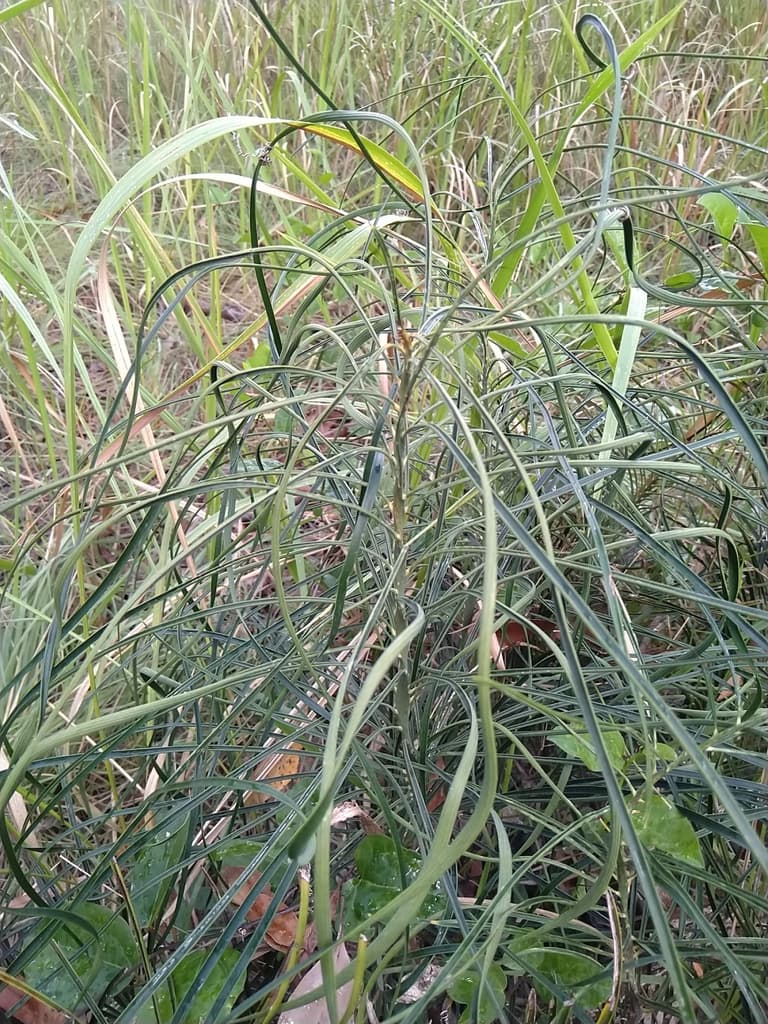
Macrozamia parcifolia
Macrozamia parcifolia is a species of cycad native to Australia, belonging to the Zamiaceae family. Its botanical characteristics are primarily defined by its classification within this family, though specific details regarding its morphology, habitat, and distribution are limited in available records.

Cycas debaoensis
Cycas debaoensis is a cycad species native to the Guangxi region of China, found in sunny environments at elevations between 700 and 1000 meters. Its distinctive botanical feature is its tripinnate leaves, which possess spines along the rachis. The species is closely related to Cycas multipinnata.

Lepidozamia hopei
Lepidozamia hopei, commonly known as Hope's cycad or zamia palm, is a cycad species endemic to a small region of Queensland, Australia. It is renowned for its impressive stature, reputed to be the tallest cycad species, growing as an understorey tree in rainforest environments. Botanically, it is characterized by its tall, single trunk, long fronds with numerous leaflets, and exceptionally large reproductive cones.