
Macrozamia occidua
Macrozamia occidua is a cycad species native to Australia, found in subtropical or tropical dry forest habitats. As a member of the Zamiaceae family, it exhibits characteristics typical of cycads, though specific botanical details are not extensively documented in its available record.
Key Facts
- ›Endemic to Australia.
- ›Inhabits subtropical or tropical dry forests.
- ›Belongs to the Zamiaceae family.
- ›A species of plant within the cycad group.
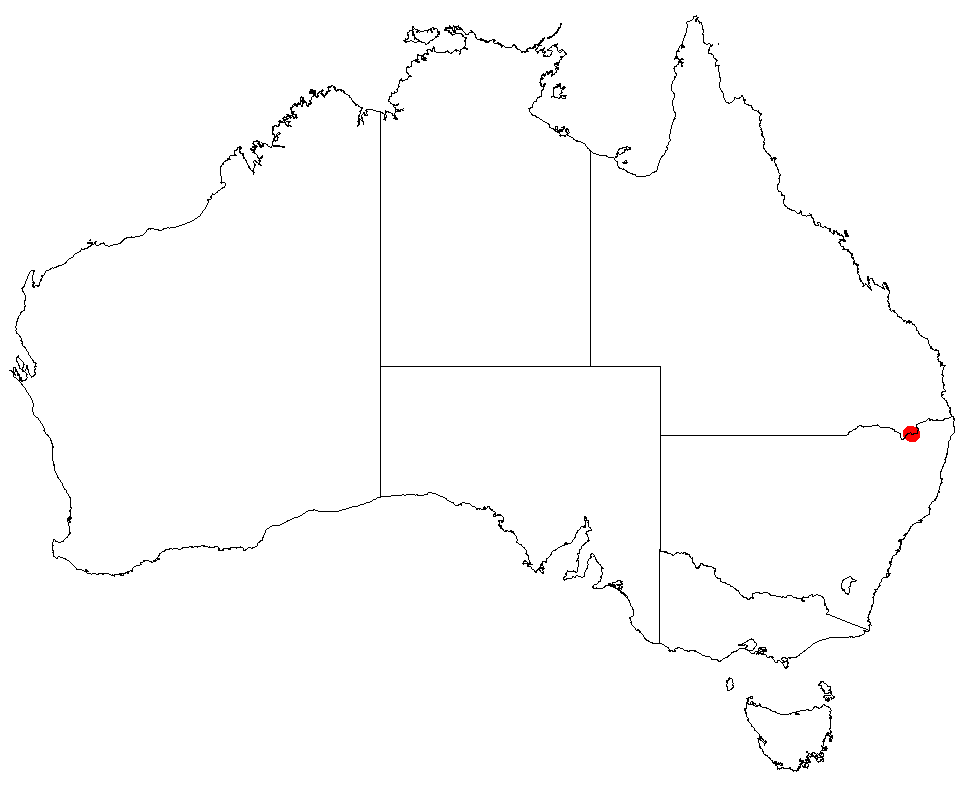
Australia
About Macrozamia occidua
Macrozamia occidua is a species of plant belonging to the Zamiaceae family. This cycad is endemic to Australia, meaning it is found naturally only within this country.
Habitat and Distribution
The natural habitat of Macrozamia occidua is characterized by subtropical or tropical dry forests. These environments provide the specific conditions necessary for its survival and reproduction.
Source: Wikipedia ↗
Frequently Asked Questions
Where is Macrozamia occidua found?
Macrozamia occidua is endemic to Australia. Its natural habitat is subtropical or tropical dry forests.
What plant family does Macrozamia occidua belong to?
Macrozamia occidua is a species of plant in the family Zamiaceae.
What kind of environment does Macrozamia occidua grow in?
The natural habitat for Macrozamia occidua is subtropical or tropical dry forests.
Related Cycad species

Macrozamia plurinervia
Macrozamia plurinervia is a species of cycad belonging to the Zamiaceae family, indigenous to Australia. It is found in subtropical or tropical dry forest habitats.
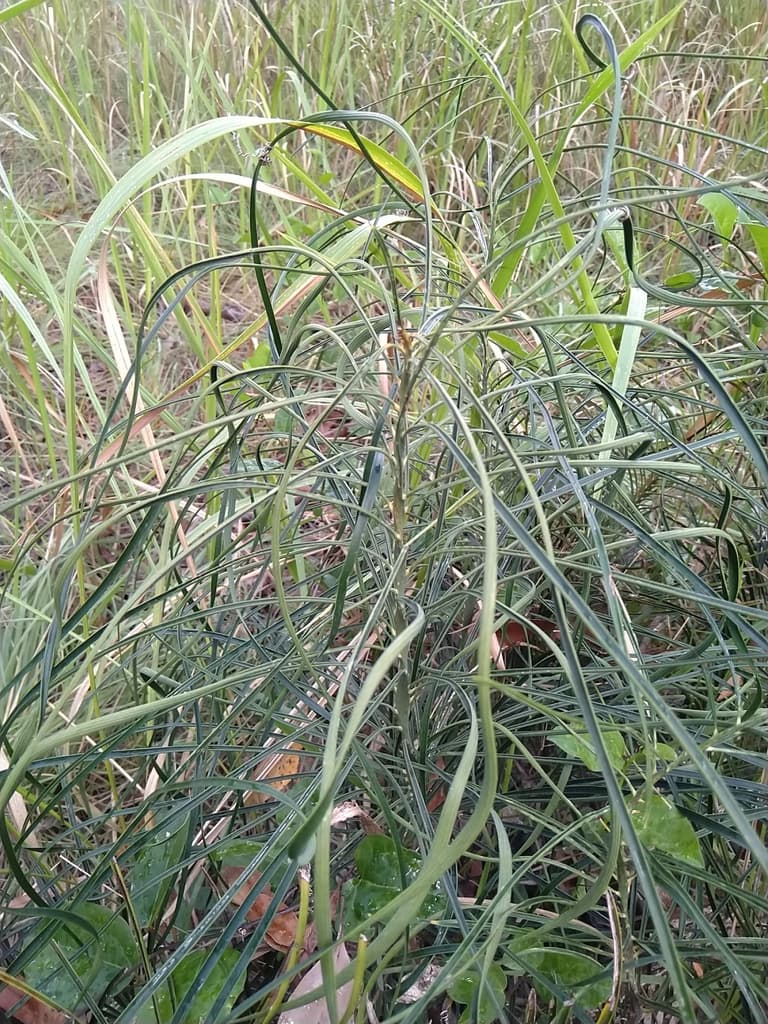
Macrozamia parcifolia
Macrozamia parcifolia is a species of cycad native to Australia, belonging to the Zamiaceae family. Its botanical characteristics are primarily defined by its classification within this family, though specific details regarding its morphology, habitat, and distribution are limited in available records.

Zamia montana
Zamia montana is a critically endangered cycad species endemic to the Antioquia Department of Colombia. Found in subtropical or tropical moist montane forests, this species is characterized by its extreme rarity and the significant threats posed by logging activities within its natural habitat. The species faces a high risk of extinction, with its only known population located in an area that has undergone recent logging.