
Almas
Omnivorous or Faunivorous (Opportunistic)·Late Cretaceous·Mongolia·Bipedal
Almas ukhaa is a genus of troodontid theropod dinosaur that lived in Mongolia during the Late Cretaceous period. Its name is derived from Mongolian folklore, referencing a wild man-like creature. This dinosaur is known from a partial articulated skeleton found in the Djadochta Formation.
Key Facts
- ›Almas ukhaa is a troodontid theropod dinosaur from the Late Cretaceous of Mongolia.
- ›The species name, ukhaa, refers to its discovery location near Ukhaa Tolgod.
- ›It lived in arid or semi-arid environments with sandy dunes and scattered vegetation.
- ›Its diet was likely opportunistic, including small vertebrates, insects, and occasional plant material.
- ›Almas ukhaa was probably solitary and active during twilight or at night.
- ›The holotype specimen is a partial articulated skeleton of a subadult individual.
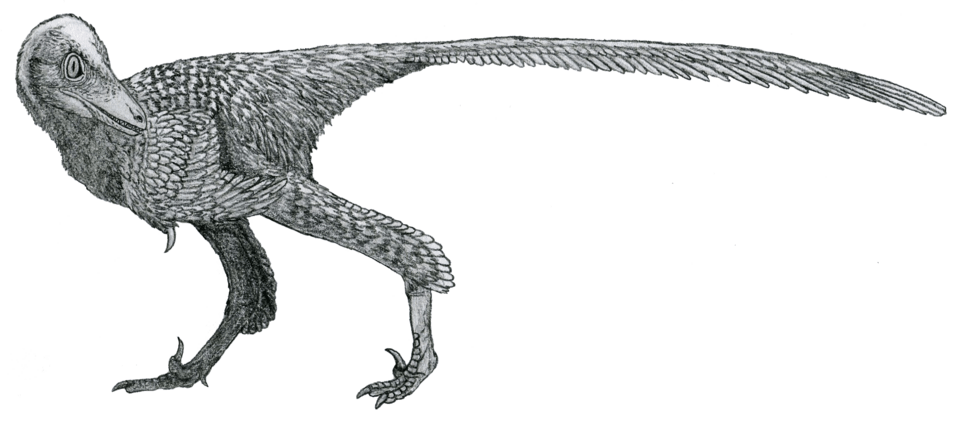
- Slender Hind Limbs
- Relatively Large Orbits
- Partial Articulated Skeleton of A Subadult Individual
Troodontidae
Mongolia
About Almas
Almas ukhaa
Almas ukhaa is a genus of troodontid theropod dinosaur that roamed the arid landscapes of Mongolia during the Late Cretaceous period. Named in 2017 by Pei Rui and colleagues, the genus name 'Almas' draws inspiration from Mongolian folklore, referring to a mythical wild man-like creature, while the species name 'ukhaa' denotes its discovery site.
Discovery and Habitat
The sole known specimen of Almas ukhaa was unearthed in the Djadochta Formation, a geological layer dating to the late Campanian stage. This formation is found in present-day southern Mongolia, near the renowned Ukhaa Tolgod fossil beds. During the Late Cretaceous, this region was characterized by arid to semi-arid conditions, featuring sandy dunes, seasonal alluvial plains, and sparse vegetation. Almas ukhaa shared this environment with a diverse array of other dinosaurs.
Lifestyle and Diet
Anatomical features of Almas ukhaa suggest an active lifestyle. Its slender hind limbs indicate the capacity for rapid locomotion, a trait useful for both hunting prey and evading larger predators. Like other troodontids, it likely possessed well-developed sensory abilities due to a high ratio of brain volume to body mass, suggesting good coordination and potentially complex behaviors. Its relatively large orbits hint at crepuscular or nocturnal activity, meaning it was likely active during twilight or at night. Although direct evidence of its diet is absent, its teeth and skull morphology, combined with its phylogenetic relationship to other troodontids, point to an opportunistic omnivorous or faunivorous diet. This would have included small vertebrates such as lizards and primitive mammals, insects, other arthropods, and occasionally plant material or eggs. Such dietary flexibility would have been advantageous in its challenging, seasonal environment.
Fossil Record
The holotype specimen, IGM 100/1323, is a partial articulated skeleton of a subadult individual. It includes parts of the skull (though found disarticulated from the postcrania), vertebrae, belly ribs, portions of the pelvis, and hindlimbs, though the toes are missing. Eggshells of the Prismatoolithidae type, previously associated with Troodontidae, have been found near the skeleton, further supporting its classification within this family.
Source: Wikipedia ↗
Frequently Asked Questions
What does the name Almas ukhaa mean?
The generic name 'Almas' refers to the almas, a 'wild man' creature from Mongolian folklore. The specific name 'ukhaa' refers to the provenance of the specimen, near Ukhaa Tolgod.
Where was Almas ukhaa discovered?
The only known specimen of Almas ukhaa was discovered in the Djadochta Formation, near Ukhaa Tolgod (the Flaming Cliffs) in the Gobi Desert of southern Mongolia.
What did Almas ukhaa eat?
While direct gastric content is not preserved, analysis of its teeth and skull morphology, along with its relation to other troodontids, suggests an opportunistic diet. This likely included small vertebrates, insects, arthropods, and possibly plant material or eggs.
What kind of environment did Almas ukhaa live in?
Almas ukhaa inhabited arid or semi-arid environments characterized by sandy dunes, seasonal alluvial plains, and scattered vegetation in what is now the Gobi Desert.
When did Almas ukhaa live?
Almas ukhaa lived during the Late Cretaceous period, specifically the late Campanian stage, which dates the Djadochta Formation where its fossils were found.
What are the physical characteristics of Almas ukhaa?
Almas ukhaa possessed slender hind limbs, suggesting rapid locomotion. Its relatively large orbits indicate it may have been active during twilight or night. The specimen found is of a subadult individual.
Related Dinosaur species

Achillobator
Achillobator was a large, heavily-built dromaeosaurid theropod dinosaur that inhabited Mongolia during the Late Cretaceous period. It is distinguished by its robust skeleton, deep maxilla, and primitive pelvis, contrasting with the generally lighter build of other dromaeosaurids. This predator likely hunted large prey using its enlarged sickle claw.

Adasaurus
Adasaurus is a genus of dromaeosaurid dinosaur that lived in Asia during the Late Cretaceous period. This large predator is known from two partial specimens discovered in Mongolia's Nemegt Formation. Adasaurus is distinguished by a notably reduced sickle claw on its second toe, a feature that sets it apart from many of its relatives.

Aepyornithomimus
Aepyornithomimus is a genus of ornithomimid theropod dinosaur that lived during the Late Cretaceous period, approximately 75 million years ago. Its fossils were discovered in the Djadochta Formation of Mongolia, an area believed to have been a desert at the time. The genus name "Aepyornithomimus" means "Aepyornis mimic," referencing its foot structure, and the species name "tugrikinensis" refers to its discovery location.