
Amurosaurus
Herbivore·Late Cretaceous·Eastern Asia (Russia)·Facultative Biped
Amurosaurus was a genus of lambeosaurine hadrosaurid dinosaur that lived in what is now eastern Asia during the Late Cretaceous period, approximately 70 to 66 million years ago. Named "Amur lizard," its remains were discovered near the Amur River, which forms the border between Russia and China. This herbivorous dinosaur is estimated to have been about 8 meters long and weighed around 3 metric tons.
Key Facts
- ›Amurosaurus lived during the Late Cretaceous period, 70 to 66 million years ago.
- ›Its fossils were found in eastern Asia, near the Amur River.
- ›It was a herbivorous hadrosaurid dinosaur belonging to the lambeosaurine subfamily.
- ›Estimated length is 8 meters (26 ft) and weight is about 3 metric tons (3.3 short tons).
- ›It is believed to have possessed a cranial crest, similar to other lambeosaurines.
- ›The genus name "Amurosaurus" means "Amur lizard".

- Estimated Length of 8 Meters .
- Estimated Weight of Approximately 3 Metric Tons .
- Modified Skull Bones Suggest the Presence of A Cranial Crest.
- Sigmoidal Shape of the Ulna .
Lambeosaurus, Kerberosaurus, Wulagasaurus
Russia, China
About Amurosaurus
Overview
Amurosaurus is a genus of lambeosaurine hadrosaurid dinosaur that roamed eastern Asia during the Late Cretaceous period, from approximately 70 to 66 million years ago. The name "Amurosaurus" translates to "Amur lizard," referencing the Amur River near where its fossils were discovered, a river that forms the border between Russia and China.
Discovery and Fossils
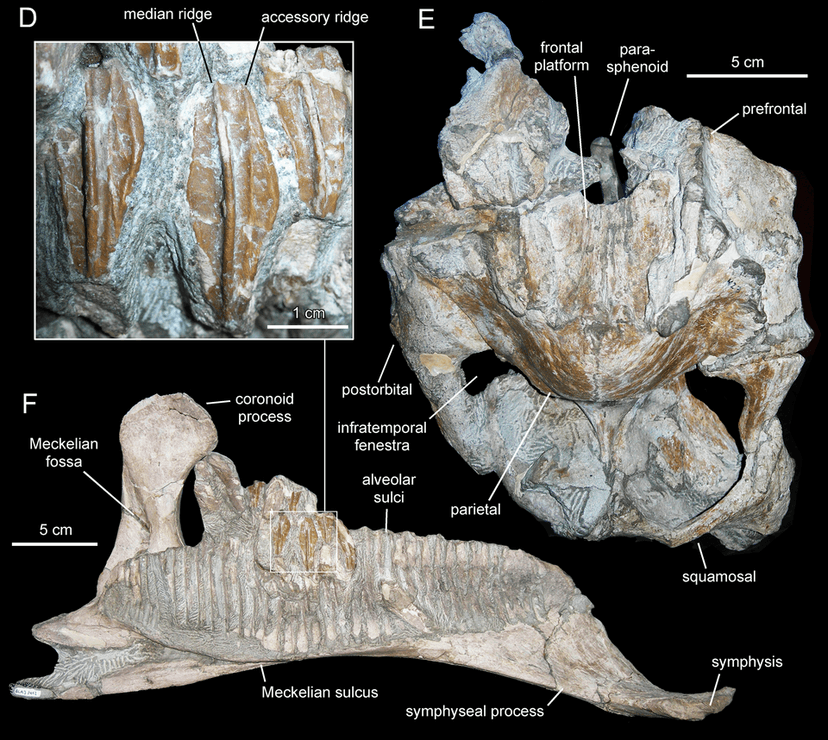
The first fossils of Amurosaurus were unearthed in 1984 in a bonebed near Blagoveschensk in far eastern Russia. This bonebed, part of the Udurchukan Formation, is dated to the Maastrichtian stage of the Late Cretaceous, around 68 million years ago. The sediment indicates a floodplain environment where river transport occurred, but only for short distances, preserving disarticulated but well-preserved bones. Notably, 90% of the remains found in this bonebed belong to lambeosaurines, with Amurosaurus being the most abundant Russian dinosaur discovered to date. The holotype consists of a maxilla and a dentary, but much of the skull and skeleton from various individuals has also been recovered.
Description and Paleobiology
Amurosaurus is estimated to have been about 8 meters (26 feet) in length and weighed around 3 metric tons (3.3 short tons). As a hadrosaurid, it was herbivorous. While most known lambeosaurines possess prominent cranial crests, Amurosaurus's skull bones are modified to support one, leading paleontologists to assume it also had a crest. Studies suggest Amurosaurus had a relatively high encephalization quotient, indicating the capacity for complex social behaviors.
One notable pathological specimen of Amurosaurus exhibited a severely damaged ulna (lower arm bone) with significant new bone growth. This injury, likely resulting in a limp and three-limbed locomotion, was still healing at the time of the animal's death.
Classification and Taxonomy
Amurosaurus is classified as a derived member of the Lambeosaurini tribe within the Lambeosaurinae subfamily. In 2020, the genus Sahaliyania, previously considered distinct, was reassessed and determined to be a junior synonym of Amurosaurus. Sahaliyania was named in 2008 and its remains were found in the Maastrichtian-age Yuliangze Formation, also in eastern Asia.
Source: Wikipedia ↗
Frequently Asked Questions
When did Amurosaurus live?
Amurosaurus lived during the Late Cretaceous period, with fossils dating between 70 and 66 million years ago. This places it in the Maastrichtian stage of the Late Cretaceous.
Where were Amurosaurus fossils found?
All known fossils of Amurosaurus have been recovered from a single bonebed locality near Blagoveschensk in the Amur Oblast of far eastern Russia. This region is close to the Amur River, which forms part of the border between Russia and China.
What did Amurosaurus eat?
As a hadrosaurid, Amurosaurus was herbivorous. This means it fed on plants.
How large was Amurosaurus?
Amurosaurus is estimated to have been about 8 meters (26 feet) in length and weighed approximately 3 metric tons (3.3 short tons).
Did Amurosaurus have a crest?
While direct evidence of a crest is absent, the bones on the roof of its skull are modified to support one. Therefore, it is assumed that Amurosaurus was crested, like most other known lambeosaurines.
What is the meaning of the name Amurosaurus?
The name Amurosaurus is derived from the Amur River, near where its remains were found, and the Greek word 'sauros,' meaning 'lizard.' Thus, it translates to 'Amur lizard.'
Related Dinosaur species
Arenysaurus
Arenysaurus is a genus of hadrosaurid dinosaur that lived during the Late Cretaceous period, approximately 66 million years ago. It was one of the last non-avian dinosaurs, becoming extinct during the Cretaceous–Paleogene extinction event. Fossils of Arenysaurus have been discovered in the Tremp Formation of the Pyrenees Mountains in Spain.

Augustynolophus
Augustynolophus is an extinct genus of herbivorous saurolophine hadrosaurid dinosaur that lived in what is now California during the late Maastrichtian age, making it one of the last non-avian dinosaurs before the Cretaceous–Paleogene extinction event. It was a large hadrosaur, estimated to be 8 meters (26 ft) long and weigh 3 metric tons (3.3 short tons), and was specialized for chewing its plant-based diet.

Coahuilasaurus
Coahuilasaurus is an extinct genus of kritosaurin ornithopod dinosaur that lived during the Late Cretaceous period in what is now Coahuila, Mexico. Known from fragmentary skull bones, it was a large dinosaur, estimated to be 8-9 meters long and weighing over 4 metric tons. The genus name honors the region of its discovery, while the species name recognizes the Lipan Apache tribe.