
Angustungui
"Angustungui" is an informal genus of stegosaur that lived during the Late Jurassic period in what is now China. The name and its intended type species, "A. qiketaiensis," were announced in a biorxiv pre-print article in October 2024. The fossils, discovered in 2016, include axial, pectoral girdle, pelvic girdle, limb, and armor elements.
Key Facts
- ›Angustungui is an informally named stegosaur from China.
- ›It lived during the Late Jurassic period.
- ›Fossils include axial, pectoral girdle, pelvic girdle, limb, and armor elements.
- ›The name was announced in a biorxiv pre-print in October 2024.
- ›It was recovered as a sister taxon to Loricatosaurus in one analysis.
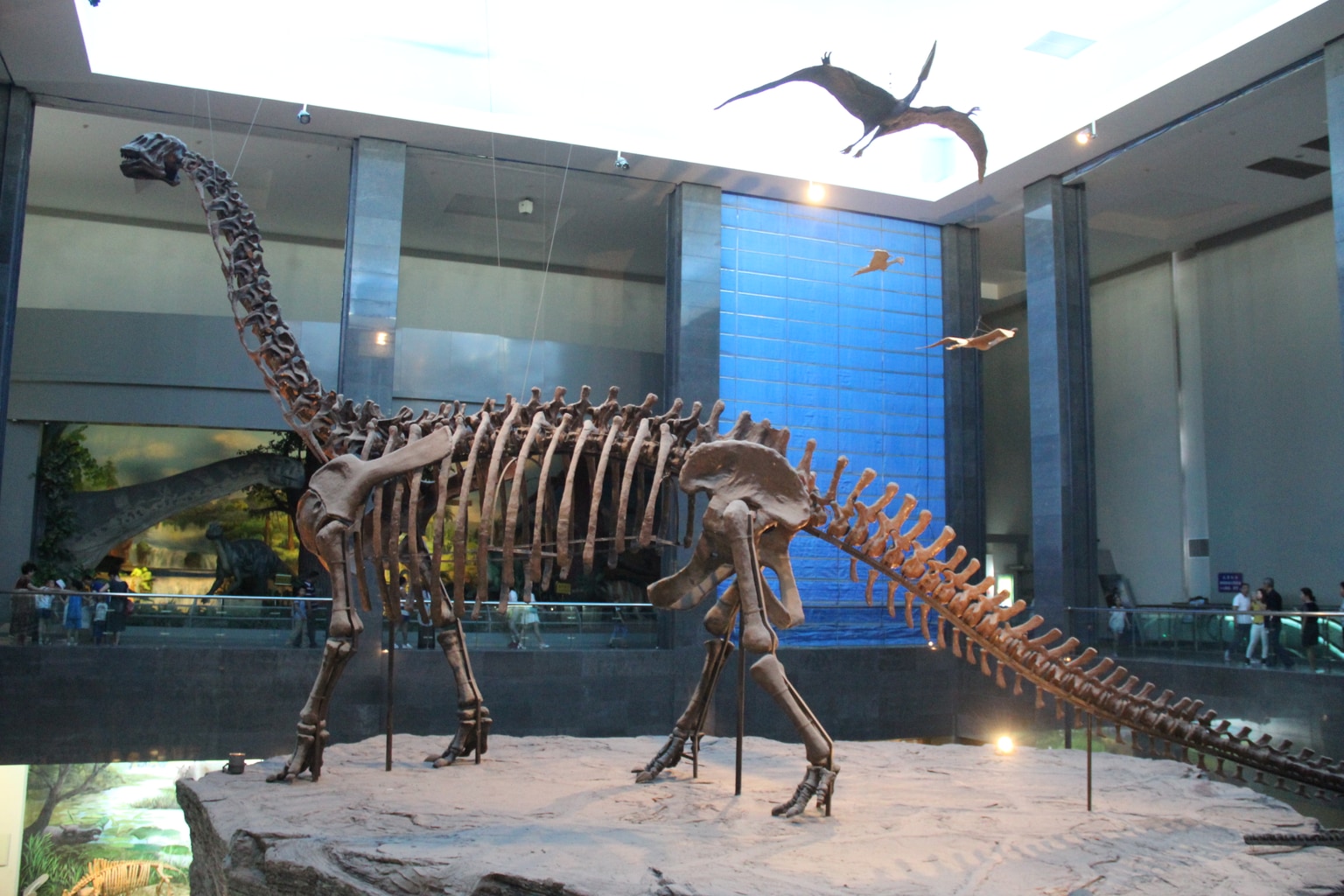
- Possessed Axial, Pectoral Girdle, Pelvic Girdle, Limb, and Armor Elements.
- Specimen Ss V16001 Includes Axial, Pectoral Girdle, Pelvic Girdle, Limb and Armor Elements.
- Specimen Ss V16002 Consists of A Right Coracoid and A Right Scapula.
Loricatosaurus
China
About Angustungui
"Angustungui" is an informally named genus of stegosaur, a group of herbivorous, armored dinosaurs, that inhabited what is now China during the Late Jurassic period. The name and its proposed type species, "A. qiketaiensis," were first announced in an October 2024 bioRxiv pre-print article.
Fossil Discoveries
The fossils attributed to "Angustungui" were discovered in 2016 by Li Daqing in the Qigu Formation at Qiketai, Shanshan County. The holotype specimen, SS V16001, comprises elements of the axial skeleton, pectoral girdle, pelvic girdle, limbs, and armor. A paratype specimen, SS V16002, consists of a right coracoid and a right scapula.
Taxonomic Context
In the bioRxiv pre-print where the name was announced, phylogenetic analysis recovered "Angustungui" as a sister taxon to "Loricatosaurus," indicating a close evolutionary relationship between the two genera. As an informally named genus, "Angustungui" has not yet undergone formal scientific description and validation according to the standards of the International Commission on Zoological Nomenclature.
Source: Wikipedia ↗
Frequently Asked Questions
What does the name "Angustungui" mean?
The meaning of "Angustungui" is not explicitly provided in the text. However, the intended type species is "A. qiketaiensis," likely referencing the discovery location.
When did "Angustungui" live?
"Angustungui" lived during the Late Jurassic period. This geological period is known for its diverse dinosaur fauna.
Where were "Angustungui" fossils discovered?
Fossils attributed to "Angustungui" were discovered in the Qigu Formation in China. The specific discovery site was Qiketai, Shanshan County.
What kind of dinosaur was "Angustungui"?
"Angustungui" is classified as a stegosaur, a group of ornithischian dinosaurs characterized by bony plates and spikes along their backs and tails.
What fossils have been found for "Angustungui"?
The fossils include elements of the axial skeleton, pectoral girdle, pelvic girdle, limbs, and armor. Specific specimens mentioned are SS V16001 and SS V16002.
Related Dinosaur species
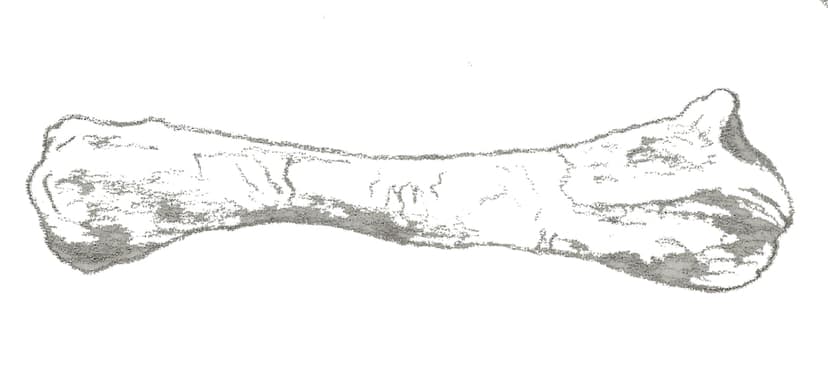
Chienkosaurus
Chienkosaurus is a dubious genus of carnivorous theropod dinosaur from the Late Jurassic of China. Its name means "lizard of Jiange County," and it was likely related to Szechuanosaurus. The genus is known from very limited fossil material, primarily teeth, leading to its classification as dubious.

Abrosaurus
Abrosaurus was a genus of macronarian sauropod dinosaur that lived during the Middle Jurassic Period in what is now Asia. It is known for its relatively small size for a sauropod and its distinctive boxy skull with a prominent nasal arch. The only named species, Abrosaurus dongpoi, was discovered in China.

Charonosaurus
Charonosaurus was a large lambeosaurine hadrosaurid dinosaur that inhabited northeastern China during the Late Cretaceous period. Similar in appearance to Parasaurolophus, it is distinguished by its size and the geological context of its discovery. Fossils suggest it lived in herds and was a prey animal for larger carnivores.