
Chienkosaurus
Chienkosaurus is a dubious genus of carnivorous theropod dinosaur from the Late Jurassic of China. Its name means "lizard of Jiange County," and it was likely related to Szechuanosaurus. The genus is known from very limited fossil material, primarily teeth, leading to its classification as dubious.
Key Facts
- ›Chienkosaurus is a dubious genus of carnivorous theropod dinosaur.
- ›It lived during the Late Jurassic period in China.
- ›The type species is Chienkosaurus ceratosauroides.
- ›The genus is named after Jiange County, where its fossils were found.
- ›It is considered possibly related to Szechuanosaurus.
- ›The fossil evidence is limited to a few teeth and some bone fragments.
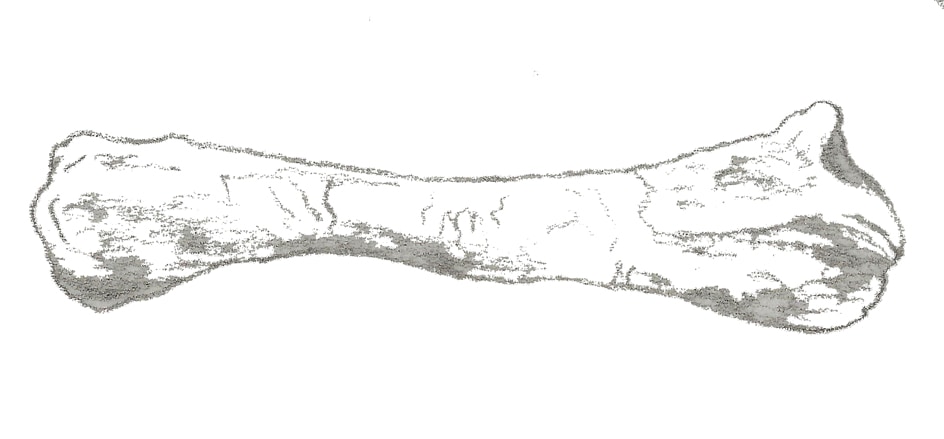
Carnivorous theropod dinosaur., Known from teeth and some bone fragments.
Szechuanosaurus
China
About Chienkosaurus
Chienkosaurus is a dubious genus of carnivorous theropod dinosaur from the Late Jurassic period of China. Its scientific name, Chienkosaurus ceratosauroides, was given by Yang Zhongjian in 1942. The genus name means "lizard of Jiange County," referring to the discovery location, while the species name suggests a similarity to Ceratosaurus.
Discovery and Classification
The fossil material attributed to Chienkosaurus is limited and has led to its classification as dubious. The holotype consists of four teeth (IVPP V.237). Subsequent examination by Dong et al. in 1983 determined that three of these teeth likely belonged to a mesoeucrocodylian named Hsisosuchus, leaving only one theropod tooth as the definitive evidence for Chienkosaurus. Yang also referred an ulna (IVPP V.193) and a caudal centrum (IVPP V.192) to the genus. Due to the scant and questionable nature of the evidence, paleontologists like Holtz et al. (2004) and Wu et al. (2009) have designated Chienkosaurus as a dubious taxon.
Paleobiology
As a theropod dinosaur, Chienkosaurus was likely bipedal and carnivorous. It is considered possibly related to another Chinese Jurassic theropod, Szechuanosaurus. However, due to the limited fossil record, detailed information about its physical characteristics, size, habitat, or behavior remains speculative and poorly understood.
Source: Wikipedia ↗
Frequently Asked Questions
What does the name Chienkosaurus mean?
The name Chienkosaurus means "lizard of Jiange County." This refers to the location in China where the fossils were discovered.
When did Chienkosaurus live?
Chienkosaurus lived during the Late Jurassic period. This geological period spanned approximately from 201.3 to 145 million years ago.
What kind of dinosaur was Chienkosaurus?
Chienkosaurus was a carnivorous theropod dinosaur. Theropods are a group of bipedal, carnivorous dinosaurs.
Is Chienkosaurus a well-known dinosaur?
Chienkosaurus is considered a dubious genus due to the limited and potentially mixed nature of its fossil evidence. This means its existence as a distinct dinosaur genus is not definitively established.
What fossils were found for Chienkosaurus?
The fossils attributed to Chienkosaurus primarily consist of four teeth, designated as IVPP V.237. Some of these teeth were later identified as belonging to a mesoeucrocodylian, Hsisosuchus, restricting the holotype to a single theropod tooth. An ulna (IVPP V.193) and a caudal centrum (IVPP V.192) were also referred to the genus.
What is the relationship of Chienkosaurus to other dinosaurs?
Chienkosaurus was probably related to Szechuanosaurus. Both are theropod dinosaurs found in China during the Jurassic period.
Related Dinosaur species
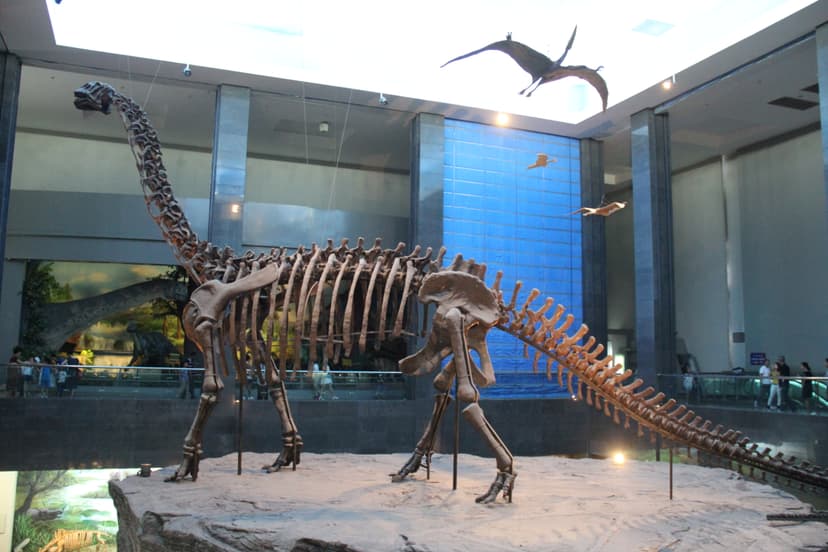
Angustungui
"Angustungui" is an informal genus of stegosaur that lived during the Late Jurassic period in what is now China. The name and its intended type species, "A. qiketaiensis," were announced in a biorxiv pre-print article in October 2024. The fossils, discovered in 2016, include axial, pectoral girdle, pelvic girdle, limb, and armor elements.

Asiatyrannus
Asiatyrannus is an extinct genus of tyrannosaurine theropod dinosaur that lived during the Late Cretaceous period in what is now China. Known from a single specimen including a skull and partial skeleton, it is distinguished by its deep-snouted skull and relatively small body size compared to some contemporary tyrannosaurs. However, its validity as a distinct genus has been questioned, with some researchers suggesting it may represent a juvenile individual of the more well-known genus Tarbosaurus.
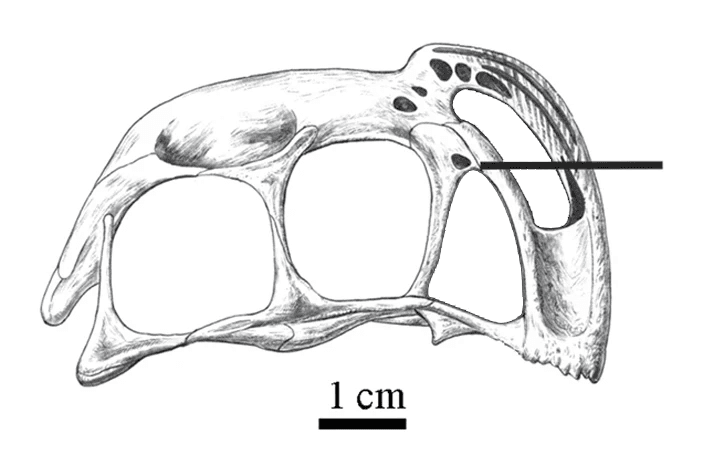
Banji
Banji is an extinct genus of oviraptorid dinosaur that lived approximately 66 million years ago in what is now China. This small, lightly built, ground-dwelling carnivore is known for its distinctive tall, crested skull with unique vertical striations.