
Anserimimus
Possibly Omnivore·Late Cretaceous·Mongolia·Bipedal
Anserimimus was a lanky, fast-running ornithomimid theropod dinosaur that lived in what is now Mongolia during the Late Cretaceous Period. Known for its powerful forelimbs and flattened claws, its exact diet and ecological role remain subjects of scientific discussion, though it is possibly an omnivore.
Key Facts
- ›Anserimimus means "goose MIMIC" and belongs to the Ornithomimidae family.
- ›Fossils were discovered in the Bayankhongor province of Mongolia.
- ›It estimated to be around 3 meters (9.8 ft) in length and weighed between 50 to 170 kg (110 to 375 lb).
- ›Distinguished by powerful forelimbs with long, flattened claws.
- ›Inhabited alluvial plains with meandering rivers in the Nemegt Formation.
- ›Lived approximately 70 million years ago during the early Maastrichtian stage of the Late Cretaceous.
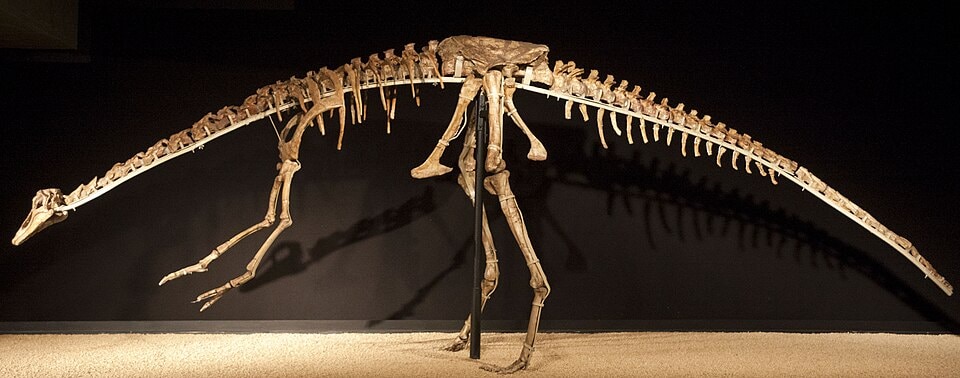
Lanky, Fast-Running Build, Powerful Forelimbs, Long, Flattened, Slightly Curved Hand Claws, Fused Metacarpus For Added Strength, Strongly Arctometatarsalian Foot Structure
Gallimimus
Asia
About Anserimimus
Anserimimus is a genus of ornithomimid theropod dinosaur that roamed the Earth during the Late Cretaceous Period. Its fossils were discovered in the Bayankhongor province of Mongolia, within the Gobi Desert. The name "Anserimimus" translates to "goose mimic," reflecting a common naming convention for ornithomimids, which were often named after different types of birds. Its scientific name, Anserimimus planinychus, highlights its distinctive flattened claws.
Discovery and Naming
The first fossils of Anserimimus were unearthed during a joint Soviet-Mongolian expedition in the late 1970s. Mongolian paleontologist Rinchen Barsbold formally described and named the genus in 1988. The species Anserimimus planinychus was named for its unusual flat claws, derived from Latin and Greek terms. The holotype specimen, IGM 100/300, is a relatively complete and articulated skeleton, though it lacks a skull and lower jaws. While limited information was initially published, subsequent studies have provided more detailed anatomical descriptions.
Physical Characteristics and Paleobiology
Anserimimus was a medium-sized ornithomimosaur, estimated to be around 3 meters (9.8 feet) in length and weighing between 50 to 170 kilograms (110 to 375 pounds). It was characterized by a lanky, fast-running build. A key distinguishing feature was its powerful forelimbs, which were more robust than those of other ornithomimids. These limbs possessed long, straight, and flattened claws, with a fused metacarpus for added strength. The function of these powerful arms remains a subject of scientific inquiry, potentially indicating a different feeding strategy. The diet of Anserimimus is difficult to ascertain due to the missing skull, but it is hypothesized to have been an omnivore, a common trait suggested for ornithomimids.
Paleoecology
Fossils of Anserimimus were found in the Nemegt Formation of Mongolia, a geological unit thought to represent alluvial plains with meandering rivers. This formation dates to the early Maastrichtian stage of the Late Cretaceous, approximately 70 million years ago. Anserimimus lived in an ecosystem shared with a diverse array of other dinosaurs, including large theropods like Tarbosaurus and Deinocheirus, smaller dromaeosaurids and oviraptorosaurs, and various herbivores such as hadrosaurids, ankylosaurids, and sauropods. The sediments of the Nemegt Formation indicate a rich habitat capable of supporting a large and varied dinosaur fauna.
Source: Wikipedia ↗
Frequently Asked Questions
What does the name Anserimimus mean?
The name Anserimimus combines the Latin word 'anser' meaning 'goose' and the Greek word 'mimos' meaning 'mimic'. This naming convention follows the pattern of other ornithomimids named after different types of birds.
Where were Anserimimus fossils found?
Fossils of Anserimimus were discovered in the Bayankhongor province of Mongolia, specifically within the Gobi Desert. The discovery was made during a joint Soviet-Mongolian expedition.
What were the distinctive physical characteristics of Anserimimus?
Anserimimus was characterized by its powerful forelimbs and unique, flattened hand claws. Its forelimbs were more robust than those of other ornithomimids, suggesting specialized functions.
What was the diet of Anserimimus?
The exact diet of Anserimimus is not definitively known due to the absence of its skull in fossil remains. However, scientists hypothesize it may have been an omnivore, a trait considered for many ornithomimids.
What geological period did Anserimimus live in?
Anserimimus lived during the Late Cretaceous Period. The specific layer where its fossil was found is dated to the early Maastrichtian stage, approximately 70 million years ago.
What was the habitat of Anserimimus?
Anserimimus is believed to have inhabited alluvial plains characterized by meandering rivers. This environment was part of the rich ecosystem of the Nemegt Formation.
What other dinosaurs lived alongside Anserimimus?
Anserimimus shared its habitat with a diverse range of dinosaurs, including large theropods like Tarbosaurus and Deinocheirus, smaller theropods such as dromaeosaurids and oviraptorosaurs, and various herbivores including hadrosaurids, ankylosaurids, and sauropods.
Related Dinosaur species

Achillobator
Achillobator was a large, heavily-built dromaeosaurid theropod dinosaur that inhabited Mongolia during the Late Cretaceous period. It is distinguished by its robust skeleton, deep maxilla, and primitive pelvis, contrasting with the generally lighter build of other dromaeosaurids. This predator likely hunted large prey using its enlarged sickle claw.

Adasaurus
Adasaurus is a genus of dromaeosaurid dinosaur that lived in Asia during the Late Cretaceous period. This large predator is known from two partial specimens discovered in Mongolia's Nemegt Formation. Adasaurus is distinguished by a notably reduced sickle claw on its second toe, a feature that sets it apart from many of its relatives.

Aepyornithomimus
Aepyornithomimus is a genus of ornithomimid theropod dinosaur that lived during the Late Cretaceous period, approximately 75 million years ago. Its fossils were discovered in the Djadochta Formation of Mongolia, an area believed to have been a desert at the time. The genus name "Aepyornithomimus" means "Aepyornis mimic," referencing its foot structure, and the species name "tugrikinensis" refers to its discovery location.