
Bahariasaurus
Carnivore·Late Cretaceous·Bahariya Oasis, Egypt·Bipedal
Bahariasaurus is an extinct genus of large theropod dinosaur that lived in North Africa during the Late Cretaceous period. Its exact classification has been debated, with some studies suggesting it may be synonymous with Deltadromeus. The fossils, though destroyed, indicated a massive predator comparable in size to Tyrannosaurus rex.
Key Facts
- ›Bahariasaurus lived during the Cenomanian age of the Late Cretaceous, approximately 95 million years ago.
- ›It was a large theropod, estimated to be 11-12 meters long and weigh around 4 tonnes.
- ›Its fossils were discovered in the Bahariya Formation of Egypt by Ernst Stromer.
- ›The original fossils were destroyed during a World War II bombing raid on Munich.
- ›Its phylogenetic placement is debated, with some research suggesting close affinities or synonymy with Deltadromeus.
- ›Bahariasaurus was a carnivore.
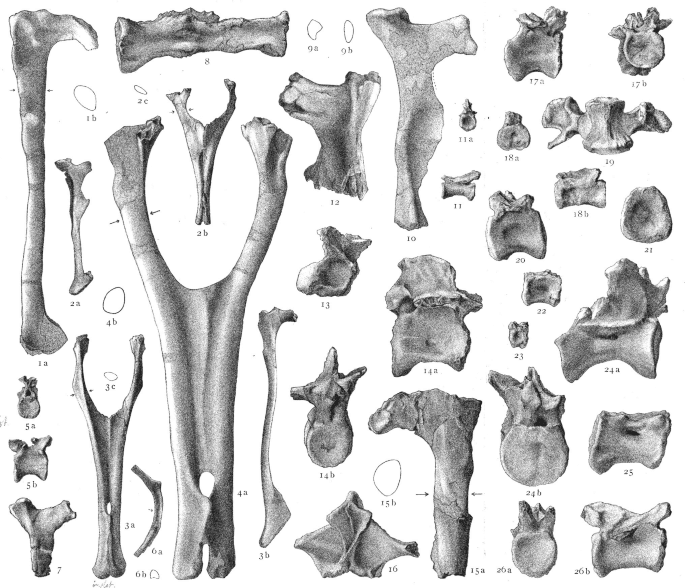
Estimated Length: 11–12.2 Metres, Estimated Weight: 4–4.6 Tonnes, Large Theropod Dinosaur, Known Only From Postcranial Material
Deltadromeus
Africa
About Bahariasaurus
Bahariasaurus is an enigmatic genus of large theropod dinosaur that roamed the North African landscape during the Cenomanian age of the Late Cretaceous period, approximately 95 million years ago. The genus is currently known from a single species, Bahariasaurus ingens. Its name, meaning "Bahariya lizard," directly references the Bahariya Formation in Egypt where its fossils were initially discovered by paleontologist Ernst Stromer.
History and Discovery
The first fossils attributed to Bahariasaurus were unearthed in the early 20th century in Egypt. These specimens, including several vertebrae and pelvic bones, were described by Ernst Stromer in 1934. Tragically, this crucial material, along with holotypes of other significant dinosaurs like Spinosaurus, was destroyed during a World War II bombing raid on Munich in 1944. This loss means that our understanding of Bahariasaurus is now based solely on illustrations and subsequent interpretations of referred material.
Physical Characteristics and Classification
Bahariasaurus was one of the largest known theropods. Estimates suggest it reached lengths of 11 to 12 meters (approximately 36 to 40 feet) and weighed around 4 to 4.6 metric tons. This size rivaled that of other formidable predators such as Tyrannosaurus rex and the contemporaneous Carcharodontosaurus. However, its exact position within the theropod family tree has been a subject of considerable debate among paleontologists. Some research has proposed a close relationship, or even synonymy, with another North African theropod, Deltadromeus, with the variation between them potentially explained by individual and ontogenetic differences.
Paleoecology
During the Cenomanian stage, North Africa was a region bordering the Tethys Sea, characterized by a wetland environment with extensive mangrove forests, tidal flats, and waterways. Bahariasaurus shared this environment with a diverse array of fauna, including other theropods like Spinosaurus, various aquatic animals such as turtles, large fish, sharks, and invertebrates, as well as sauropods like Paralititan and Aegyptosaurus. The dinosaur fauna of this region presented an anomaly, with a higher proportion of carnivorous dinosaurs compared to herbivores, suggesting a complex ecosystem with potential niche partitioning among the theropod groups.
Source: Wikipedia ↗
Frequently Asked Questions
What does the name Bahariasaurus mean?
The name Bahariasaurus means 'Bahariya lizard'. It refers to the Bahariya Formation where its fossils were discovered, combined with the Latin root 'sauros' meaning 'lizard'.
When and where did Bahariasaurus live?
Bahariasaurus lived during the Cenomanian age of the Late Cretaceous period, approximately 95 million years ago. Its fossils were found in the Bahariya Formation of Egypt, in North Africa.
How large was Bahariasaurus?
Bahariasaurus was a very large theropod dinosaur. It is estimated to have been between 11 and 12 meters (36-40 feet) long and weighed around 4 to 4.6 tonnes.
What did Bahariasaurus eat?
As a theropod, Bahariasaurus was a carnivore. Its large size suggests it was an apex predator, likely preying on other terrestrial animals.
What happened to the fossils of Bahariasaurus?
The original fossils of Bahariasaurus, described by Ernst Stromer, were destroyed during a British bombing raid on Munich in April 1944 during World War II. Only illustrations of the specimens remain.
What is the relationship between Bahariasaurus and Deltadromeus?
The exact relationship between Bahariasaurus and Deltadromeus has been a subject of debate. Some studies have proposed they are synonymous, suggesting that Deltadromeus represents immature specimens of Bahariasaurus due to individual and ontogenetic variation.
Related Dinosaur species

Abelisaurus
Abelisaurus was a genus of predatory theropod dinosaur that lived in South America during the Late Cretaceous Period. Known primarily from a partial skull, it is estimated to have been a bipedal carnivore reaching around 7.4 meters in length.

Acheroraptor
Acheroraptor is an extinct genus of dromaeosaurid theropod dinosaur that lived in North America during the Late Cretaceous period. It is known from fossil remains discovered in the Hell Creek Formation of Montana, United States. Acheroraptor is notable for being one of the geologically youngest dromaeosaurids, existing just before the Cretaceous-Paleogene extinction event.

Achillobator
Achillobator was a large, heavily-built dromaeosaurid theropod dinosaur that inhabited Mongolia during the Late Cretaceous period. It is distinguished by its robust skeleton, deep maxilla, and primitive pelvis, contrasting with the generally lighter build of other dromaeosaurids. This predator likely hunted large prey using its enlarged sickle claw.