
Acheroraptor
Acheroraptor is an extinct genus of dromaeosaurid theropod dinosaur that lived in North America during the Late Cretaceous period. It is known from fossil remains discovered in the Hell Creek Formation of Montana, United States. Acheroraptor is notable for being one of the geologically youngest dromaeosaurids, existing just before the Cretaceous-Paleogene extinction event.
Key Facts
- ›Lived in the Maastrichtian stage of the Late Cretaceous period.
- ›Fossils were discovered in the Hell Creek Formation, Montana, USA.
- ›Belongs to the Dromaeosauridae family of theropod dinosaurs.
- ›Considered one of the geologically youngest dromaeosaurids known.
- ›Named after the River Acheron and the Latin word for 'thief'.

- Mid-sized dromaeosaurid, similar in size to Deinonychus.
- Possessed a maxilla with teeth and a dentary.
- Antorbital fossa region of the maxilla is relatively small compared to related genera.
- Dentary shows a slight 'chin'.
Deinonychus, Atrociraptor, Saurornitholestes, Velociraptor, Bambiraptor, Dineobellator, Dakotaraptor
North America
About Acheroraptor
Acheroraptor is an extinct genus of dromaeosaurid theropod dinosaur that inhabited North America during the very end of the Late Cretaceous period. Its name, meaning "underworld thief," is derived from the Greek underworld river Acheron and the Latin word for "thief," referencing its discovery in the Hell Creek Formation and its predatory nature.
Discovery and Naming
Fossils of Acheroraptor were first collected in 2009 by commercial fossil collectors in Montana, within the Hell Creek Formation. The initial discovery consisted of a nearly complete right maxilla with teeth, cataloged as ROM 63777, and an assigned dentary, ROM 63778. These specimens were later purchased by the Royal Ontario Museum. In 2013, Canadian paleontologists David Evans, Derek Larson, and Philip J. Currie formally described the genus and its single species, Acheroraptor temertyorum. The specific name honors James and Louise Temerty for their support of the museum.
Description and Classification
In its initial description, Acheroraptor was classified as a "mid-sized" dromaeosaurid, with estimated lengths similar to Deinonychus, around 3.3 to 3.4 meters (10 to 11 feet). The maxilla exhibits a relatively small anterior region of the antorbital fossa compared to other North American dromaeosaurids. The referred dentary shows features that distinguish it from other theropods found in the Hell Creek Formation. The classification of Acheroraptor within Dromaeosauridae has been a subject of study, with analyses placing it in various positions, including within the Velociraptorinae or as a basal member of Saurornitholestinae.
Paleobiology and Paleoecology
Analysis of Acheroraptor's bite force suggests it had relatively weak jaws, likely adapted for rapid, slashing bites on smaller prey, indicating diverse predation strategies among its relatives. Acheroraptor lived in the Hell Creek Formation, a region characterized by a warm, humid, and swampy environment with lush vegetation and diverse fauna, including other dinosaurs like Triceratops and Tyrannosaurus, as well as various reptiles, amphibians, and mammals. Acheroraptor is considered one of the geologically youngest dromaeosaurids known, existing immediately before the Cretaceous–Paleogene extinction event. Its presence provides valuable insight into the dinosaur communities present in North America during the final stages of the Mesozoic Era.
Source: Wikipedia ↗
Frequently Asked Questions
What does the name Acheroraptor mean?
The name Acheroraptor is derived from the Greek underworld river Acheron and the Latin word 'raptor', meaning 'thief'. This name reflects its discovery in the Hell Creek Formation and the common suffix used for dromaeosaurid dinosaurs.
Where were Acheroraptor fossils found?
Fossils of Acheroraptor were found in the Hell Creek Formation in Montana, United States. This formation dates to the latest Maastrichtian stage of the Late Cretaceous.
When did Acheroraptor live?
Acheroraptor lived during the Maastrichtian stage of the Late Cretaceous period, immediately preceding the Cretaceous–Paleogene extinction event.
What kind of dinosaur was Acheroraptor?
Acheroraptor was a dromaeosaurid theropod dinosaur. Dromaeosaurids are known for their sickle-shaped claws and are often referred to as 'raptors'.
How large was Acheroraptor?
Acheroraptor was described as a 'mid-sized' dromaeosaurid, similar in size to Deinonychus. Deinonychus is estimated to have been around 3.3 to 3.4 meters (10 to 11 feet) long.
What is significant about Acheroraptor's age?
Acheroraptor is significant because it is among the geologically youngest dromaeosaurids discovered. Its existence so close to the end of the Cretaceous period provides insights into the final dinosaur fauna before the mass extinction.
Related Dinosaur species

Bambiraptor
Bambiraptor is a genus of bird-like theropod dinosaur that lived approximately 72 million years ago during the Late Cretaceous period in Montana, USA. Named for its small size and resemblance to the Disney character Bambi, this dinosaur is known from a remarkably complete juvenile specimen, which has been crucial in understanding the relationship between dinosaurs and birds.
Brachyceratops
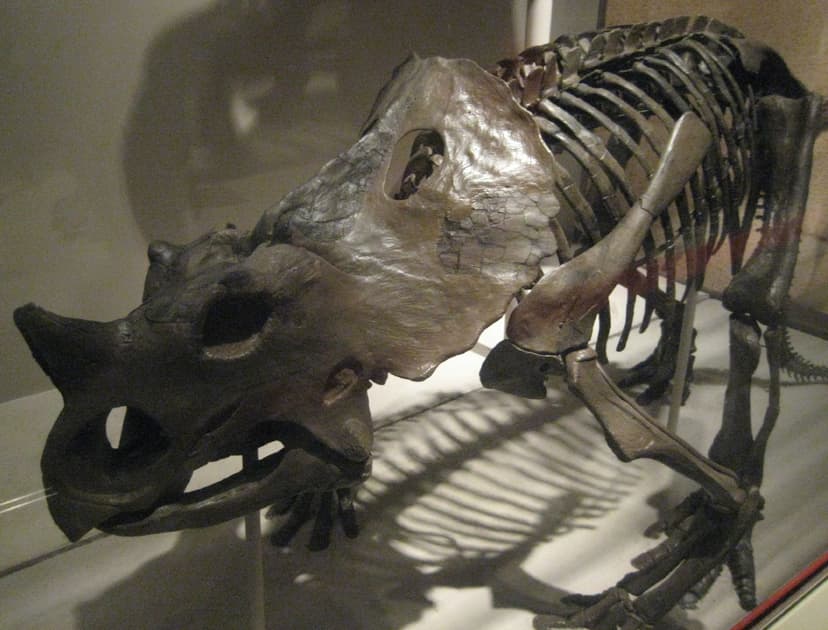
Brachyceratops is a dubious genus of ceratopsian dinosaur that lived during the Late Cretaceous Period in what is now Montana, United States. It is primarily known from the incomplete remains of juvenile individuals, making its exact classification challenging. One of its specimens has since been reclassified as Rubeosaurus ovatus.
Avaceratops
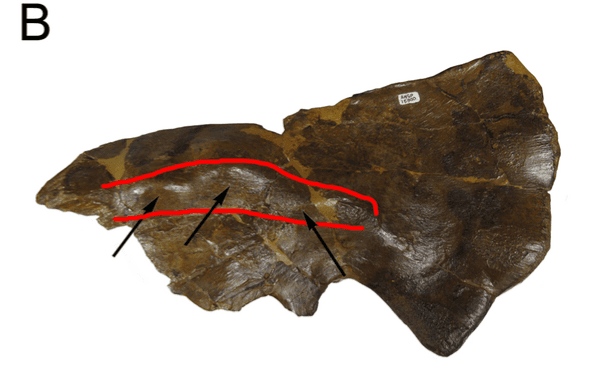
Avaceratops is a genus of small herbivorous ceratopsian dinosaurs that lived during the late Campanian stage of the Cretaceous Period in what is now the Northwestern United States. Its fossils are primarily found in the Judith River Formation. The genus is named after Ava Cole, wife of the discoverer Eddie Cole, and the specific epithet honors the Lammers family.