
Bothriospondylus
Bothriospondylus is a dubious genus of possibly neosauropodan sauropod dinosaur that lived during the Late Jurassic period. The type species, Bothriospondylus suffossus, was described by Richard Owen in 1875 based on fossil vertebrae found in England. Due to the sparse and eroded nature of the remains, the genus is considered a nomen dubium, meaning its validity is uncertain.
Key Facts
- ›Bothriospondylus is considered a dubious genus of sauropod dinosaur.
- ›The type species, B. suffossus, lived during the Late Jurassic in England.
- ›Fossils consist of dorsal and sacral vertebrae.
- ›The genus is classified as potentially neosauropodan.
- ›Many species once assigned to Bothriospondylus have since been reassigned to other genera.
- ›In 2010, Bothriospondylus was concluded to be a nomen dubium.

Known from fossil vertebrae., Vertebrae exhibit pleurocoels.
Ornithopsis, Marmarospondylus, Lapparentosaurus, Vouivria, Narindasaurus
England, Madagascar, Argentina, France
About Bothriospondylus
Bothriospondylus is a genus of sauropod dinosaur that lived during the Late Jurassic period. The genus is considered dubious, meaning its validity as a distinct group is uncertain, primarily due to the limited and eroded nature of its fossil material. The type species, Bothriospondylus suffossus, was described by Richard Owen in 1875 based on fossil vertebrae found in Wiltshire, England.
Discovery and Naming
The specific epithet "suffossus" for the type species means "undermined" in Latin, a description of the pleurocoels, or hollowed-out spaces, found on the sides of the vertebrae. Owen initially described several species under the Bothriospondylus genus, but many of these have since been reassigned to different genera. Fossils attributed to Bothriospondylus have also been found in other regions, including Madagascar, Argentina, and France, though these have largely been reclassified.
Classification and Validity
Over the years, Bothriospondylus has been placed in various taxonomic groups, with Brachiosauridae being a popular designation at one point. However, subsequent revisions have concluded that the sparse fossil evidence lacks definitive characteristics to support such specific classifications. In a significant revision in 2010, Bothriospondylus was determined to be a nomen dubium (dubious name), a classification that reflects the uncertainty surrounding its taxonomic status. It is generally considered a possibly neosauropodan sauropod, but further details about its anatomy and relationships remain unclear due to the fragmentary fossil record.
Source: Wikipedia ↗
Frequently Asked Questions
What does the name Bothriospondylus mean?
The name Bothriospondylus comes from Ancient Greek words. 'Bothrion' means 'trench', and 'spondylos' means 'vertebra'. This refers to the appearance of the vertebrae, which had hollowed-out sides.
When did Bothriospondylus live?
Bothriospondylus lived during the Late Jurassic period. This geological era spanned from approximately 163.5 to 145 million years ago.
Where were Bothriospondylus fossils found?
The type species, Bothriospondylus suffossus, was discovered in Wiltshire, England. Other fossils that were once assigned to the genus have been found in Madagascar, Argentina, and France.
What is the scientific classification of Bothriospondylus?
Bothriospondylus has been assigned to various groups over time, including its own family, Bothriospondylidae. More recently, it has been considered a possibly neosauropodan sauropod, though the limited fossil material prevents more precise classification.
Is Bothriospondylus a valid dinosaur genus?
Bothriospondylus is considered a dubious genus and a nomen dubium, meaning its validity is uncertain. This conclusion was reached in a 2010 revision due to the sparse and eroded nature of the fossil material.
What species are currently recognized under Bothriospondylus?
Due to its dubious nature, only the type species, Bothriospondylus suffossus, can be referred to the genus. Many other species that were once assigned to Bothriospondylus have been reassigned to different genera.
Related Dinosaur species
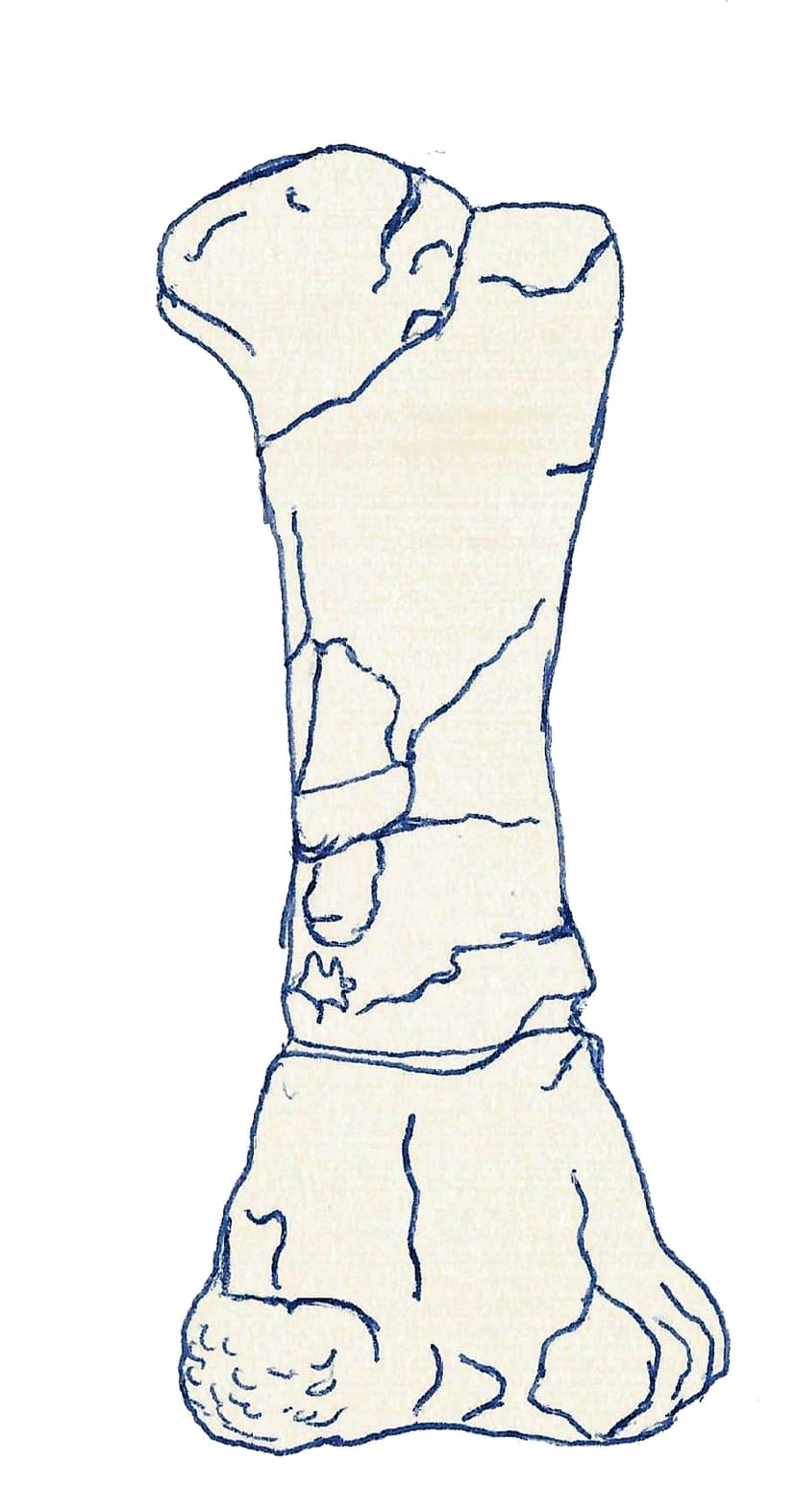
Cryptosaurus
Cryptosaurus was a dinosaur genus known from a partial femur discovered in England, dating to the Late Jurassic period. The sole species, Cryptosaurus eumerus, is considered a nomen dubium due to the limited fossil evidence. Despite initial classifications, it is now believed to be an ankylosaurian of uncertain relationships.

Acanthopholis
Acanthopholis is a genus of herbivorous ankylosaurian dinosaur belonging to the family Nodosauridae. It lived during the Late Cretaceous Period in England and is characterized by its distinctive armor, including keeled plates and prominent spikes along its neck and shoulders. The genus name translates to "spiny scales."

Cetiosauriscus
Cetiosauriscus was a herbivorous sauropod dinosaur that lived in England during the Middle Jurassic period, approximately 166 to 164 million years ago. Characterized by a moderately long tail and forelimbs as long as its hindlimbs, it reached an estimated length of 15 meters and a weight of 4 to 10 tonnes. Its fossils were discovered in the Oxford Clay Formation.