
Brachiosaurus
Brachiosaurus was a genus of large sauropod dinosaur that inhabited North America during the Late Jurassic period. Known for its exceptionally long arms compared to its legs, which gave it a steeply inclined trunk, Brachiosaurus was a high browser that likely fed on vegetation up to 9 meters off the ground. While once thought to be one of the largest dinosaurs, its popular image has often been influenced by the closely related genus Giraffatitan.
Key Facts
- ›Lived during the Late Jurassic period, approximately 155.6 to 145.5 million years ago.
- ›Named 'arm lizard' due to its unusually long forelimbs compared to hindlimbs.
- ›Estimated to be between 18 and 22 meters long.
- ›Could reach heights of up to 9 meters when browsing.
- ›Its fossils have primarily been found in North America.
- ›The genus is the namesake of the Brachiosauridae family of sauropods.

Proportionately Long Neck, Small Skull, Longer Forelimbs Than Hindlimbs, Steeply Inclined Trunk, Proportionally Shorter Tail, Estimated Length: 18-22 Meters, Estimated Weight: 28.3-46.9 Metric Tons
Giraffatitan, Lusotitan
North America
About Brachiosaurus
What is Brachiosaurus?
Brachiosaurus is a genus of large sauropod dinosaur that roamed North America during the Late Jurassic epoch, approximately 155.6 to 145.5 million years ago. Its scientific name, Brachiosaurus altithorax, translates to "arm lizard with a deep chest," a testament to its distinctive physical features. The genus is renowned for its exceptionally long forelimbs compared to its hindlimbs, which resulted in a steeply inclined trunk and gave it a unique, giraffe-like posture among dinosaurs.
Discovery and Naming
The first fossils of Brachiosaurus were discovered in the Colorado River valley in western Colorado, United States, and were described by American paleontologist Elmer S. Riggs in 1903. The holotype specimen, FMNH P 25107, consists of a partial postcranial skeleton, including a notable humerus, femur, and vertebrae. Riggs named the species altithorax due to the unusually deep and wide chest cavity indicated by the fossils.
Physical Characteristics and Lifestyle
Brachiosaurus is estimated to have reached lengths of 18 to 22 meters (59 to 72 feet) with body mass estimates for subadults ranging from 28.3 to 46.9 metric tons. Its most striking feature was its forelimbs, which were longer than its hindlimbs, leading to a posture that sloped upwards from the hindquarters to the shoulders. This anatomy, combined with its long neck, made it an adept high browser, capable of reaching vegetation up to 9 meters (30 feet) off the ground. Unlike many other sauropods, Brachiosaurus was likely not suited for rearing up on its hindlimbs.
Taxonomy and Related Dinosaurs
Brachiosaurus is the namesake genus for the family Brachiosauridae, which includes several similar sauropods. However, many popular depictions of Brachiosaurus are actually based on Giraffatitan, a brachiosaurid dinosaur from Tanzania that was once classified as a species of Brachiosaurus. Other species initially assigned to Brachiosaurus have since been reclassified or deemed invalid, highlighting the importance of distinct fossil evidence for taxonomic clarity.
Fossil Record and Significance
While the holotype specimen of B. altithorax is relatively complete for a sauropod, fossils clearly attributable to the genus Brachiosaurus are considered rare within the Morrison Formation. Despite its fragmented fossil record in North America, Brachiosaurus has become one of the most iconic dinosaurs, frequently appearing in popular culture, most notably in the 1993 film Jurassic Park, where its immense size and gentle nature were prominently showcased.
Source: Wikipedia ↗
Frequently Asked Questions
What does Brachiosaurus mean?
The name Brachiosaurus comes from Greek words: 'brachion' meaning 'arm' and 'sauros' meaning 'lizard'. This name was chosen because its arms were proportionally longer than those of other sauropods.
How big was a Brachiosaurus?
Brachiosaurus is estimated to have been between 18 and 22 meters (59 to 72 feet) long. Body mass estimates for subadult specimens range from 28.3 to 46.9 metric tons.
What did Brachiosaurus eat?
Brachiosaurus was a herbivore and is considered a high browser. It likely fed on vegetation that it could reach with its long neck, possibly as high as 9 meters (30 feet) off the ground.
Where were Brachiosaurus fossils found?
The holotype specimen of Brachiosaurus was discovered in the Colorado River valley in western Colorado, United States. Other, less complete, fossils have been found in various locations across North America.
Was Brachiosaurus the largest dinosaur?
Brachiosaurus was among the largest known dinosaurs, and it was initially thought to be one of the largest. However, other sauropods discovered since then have been found to be even larger.
What is the difference between Brachiosaurus and Giraffatitan?
Giraffatitan, a genus from Tanzania, was once considered a species of Brachiosaurus (B. brancai). While both are brachiosaurids, they are now recognized as distinct genera, with Giraffatitan often being the basis for popular depictions of Brachiosaurus.
Related Dinosaur species
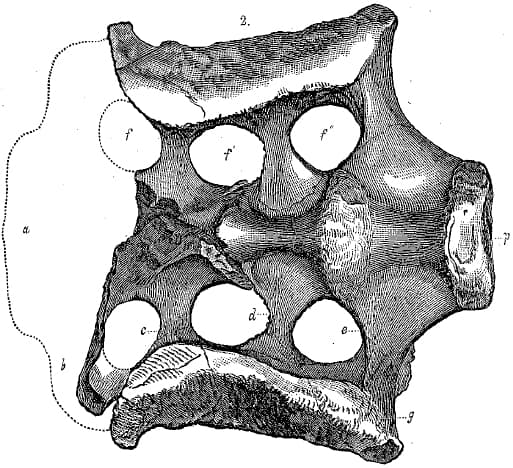
Atlantosaurus
Atlantosaurus is a dubious genus of sauropod dinosaur from the Late Jurassic Morrison Formation of Colorado, United States. It was the first sauropod described during the "Bone Wars" and is known from limited fossil material, making its distinctiveness as a species uncertain.

Amphicoelias
Amphicoelias was a genus of herbivorous sauropod dinosaur that roamed the Earth approximately 150 million years ago during the Late Jurassic period. Known from fossils found in Colorado, United States, it was moderately sized, with estimated lengths of around 18 meters and a body mass of 15 metric tons. Its anatomy, particularly its vertebrae and limb bones, shares similarities with its close relative, Diplodocus.

Apatosaurus
Apatosaurus was a large, herbivorous sauropod dinosaur that roamed North America during the Late Jurassic period. Known for its "deceptive lizard" name, it possessed a long neck, a whip-like tail, and stocky limbs, distinguishing it from its close relative, Diplodocus. Fossils have been unearthed primarily in the Morrison Formation, providing significant insights into its anatomy and lifestyle.