
Cathartesaura
Cathartesaura is a genus of medium-sized herbivorous sauropod dinosaur that lived during the Late Cretaceous period. Its fossil remains were discovered in the Huincul Formation of Argentina. The dinosaur is characterized by a long, lightly built neck with a somewhat limited range of movement.
Key Facts
- ›Cathartesaura was a medium-sized herbivorous dinosaur.
- ›It belonged to the rebbachisaurid sauropod group.
- ›Fossils were found in the Huincul Formation of Argentina, dating to the Cenomanian and Turonian epochs.
- ›It possessed a long, lightly built, and well-muscled neck.
- ›Its vertebrae show characteristics aligning it with the Rebbachisauridae family.
- Medium-sized herbivorous dinosaur
- Long, lightly built, well-muscled neck
- Somewhat limited range of dorso-ventral movement in the neck
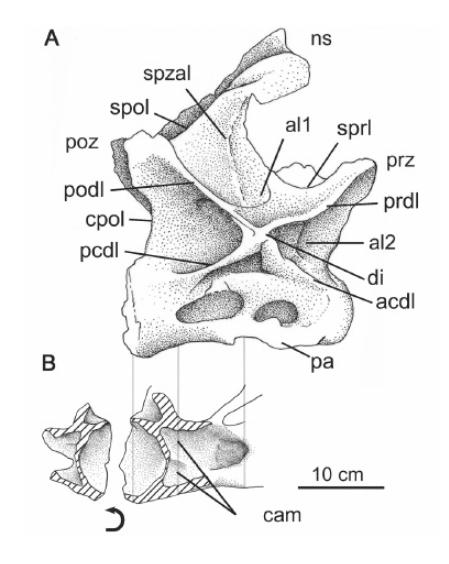
- Vertebrae with bony laminae association and pneumatic chambers in the cervical series
Rebbachisauridae
Argentina
About Cathartesaura
Cathartesaura is a genus of medium-sized sauropod dinosaur that roamed the Earth during the Late Cretaceous period. Its fossilized remains were unearthed in the Huincul Formation, specifically at the 'La Buitrera' locality in Argentina's Río Negro Province, as described by Gallina and Apesteguía in 2005. The discovery consists of a partial skeleton, including vertebrae and limb bones, found in mudstone and sandstone layers dating back to the Cenomanian and Turonian epochs.
Diet and Physical Characteristics
Cathartesaura was a herbivore, subsisting on plant matter. A notable characteristic of this dinosaur was its long, lightly built neck, which was also well-muscled. However, its neck possessed a somewhat limited range of motion in the dorso-ventral direction. Distinctive features in its vertebrae, such as the association of bony laminae and pneumatic chambers within the cervical series, align it with other members of the Rebbachisauridae family.
Paleontological Significance
The discovery of Cathartesaura in early Late Cretaceous sediments is significant as it provides insights into the rebbachisaurid sauropods, which were the only diplodocoid group present during that time. Its existence alongside other rebbachisaurids helps support the theory that a subsequent extinction event led to the demise of these remaining diplodocoids, paving the way for saltasaurine titanosaurs to occupy the vacated ecological niche.
Source: Wikipedia ↗
Frequently Asked Questions
What does Cathartesaura mean?
The genus name Cathartesaura is derived from 'Cathartes', the genus of New World vultures, and '-saura', the Greek term for 'lizard'. This name also alludes to the Spanish name 'buitre' (vulture) for the turkey vulture (Cathartes aura), referencing the abundance of these birds at the fossil discovery site.
Where was Cathartesaura discovered?
Fossils of Cathartesaura were discovered in the Huincul Formation at the 'La Buitrera' locality, within the Neuquén Basin of Río Negro Province, Argentina.
What period did Cathartesaura live in?
Cathartesaura lived during the Late Cretaceous period, specifically within the Cenomanian and Turonian epochs.
What did Cathartesaura eat?
Cathartesaura was a herbivorous dinosaur, meaning it primarily consumed plants.
What are the distinguishing features of Cathartesaura?
Cathartesaura is distinguished by specific characteristics in its vertebrae, such as the arrangement of bony laminae and the presence of pneumatic chambers in its cervical vertebrae, which are indicative of its placement within the Rebbachisauridae family. It also had a long, lightly built neck.
Related Dinosaur species
Bonapartenykus
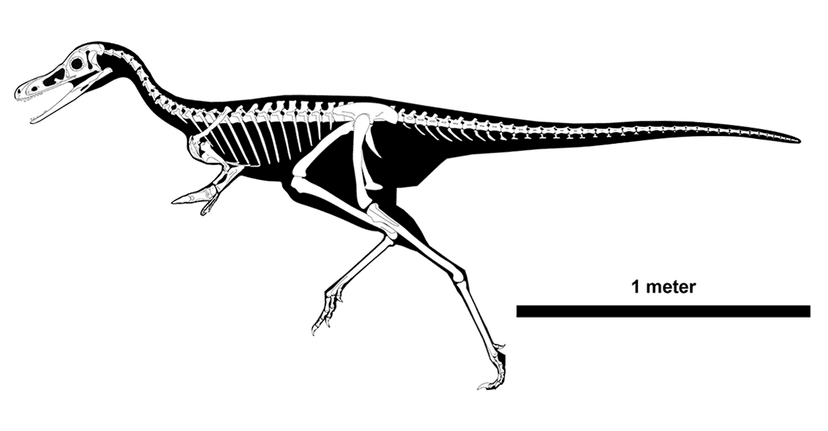
Bonapartenykus was a large alvarezsauroid dinosaur that lived in Argentina during the Late Cretaceous period. Known for its "claw," this dinosaur is notable for being the largest member of the Alvarezsauroidea clade and for its association with fossilized eggs. Its skeletal features, particularly in the vertebrae and limb bones, offer insights into its evolutionary relationships within theropod dinosaurs.

Abditosaurus
Abditosaurus is an extinct genus of titanosaurian sauropod dinosaur that lived during the Late Cretaceous period in what is now Catalonia, Spain. It is known from the most complete titanosaur skeleton ever discovered in Europe, representing a large species that inhabited the Ibero-Armorican Island. Phylogenetic analyses suggest it was related to South American and African saltasaurines, distinguishing it from other European dwarf sauropods.

Acantholipan
Acantholipan is a genus of herbivorous nodosaurid dinosaur discovered in Mexico. It lived during the early Santonian age of the Late Cretaceous period and is known from fragmentary fossils, including a partial skeleton with osteoderms. Acantholipan gonzalezi is the type species, named in honor of paleontologist Arturo Homero González-González.