
Bonapartenykus
Bonapartenykus was a large alvarezsauroid dinosaur that lived in Argentina during the Late Cretaceous period. Known for its "claw," this dinosaur is notable for being the largest member of the Alvarezsauroidea clade and for its association with fossilized eggs. Its skeletal features, particularly in the vertebrae and limb bones, offer insights into its evolutionary relationships within theropod dinosaurs.
Key Facts
- ›Bonapartenykus was a large alvarezsauroid dinosaur, estimated to be 2.5–3.3 meters long and weigh 43–72 kg.
- ›It is the largest known member of the Alvarezsauroidea clade.
- ›Fossils were found in the Allen Formation of Río Negro Province, Argentina, dating to the Late Cretaceous (Campanian–Maastrichtian).
- ›The genus is known from a partially articulated skeleton found in association with two incomplete eggs and eggshells, assigned to the oogenus Arriagadoolithus.
- ›Its scientific name, Bonapartenykus, honors paleontologist José F. Bonaparte and means "José F. Bonaparte's claw."
- ›Distinctive anatomical features include fused scapulocoracoids and a fused ilium and pubis.
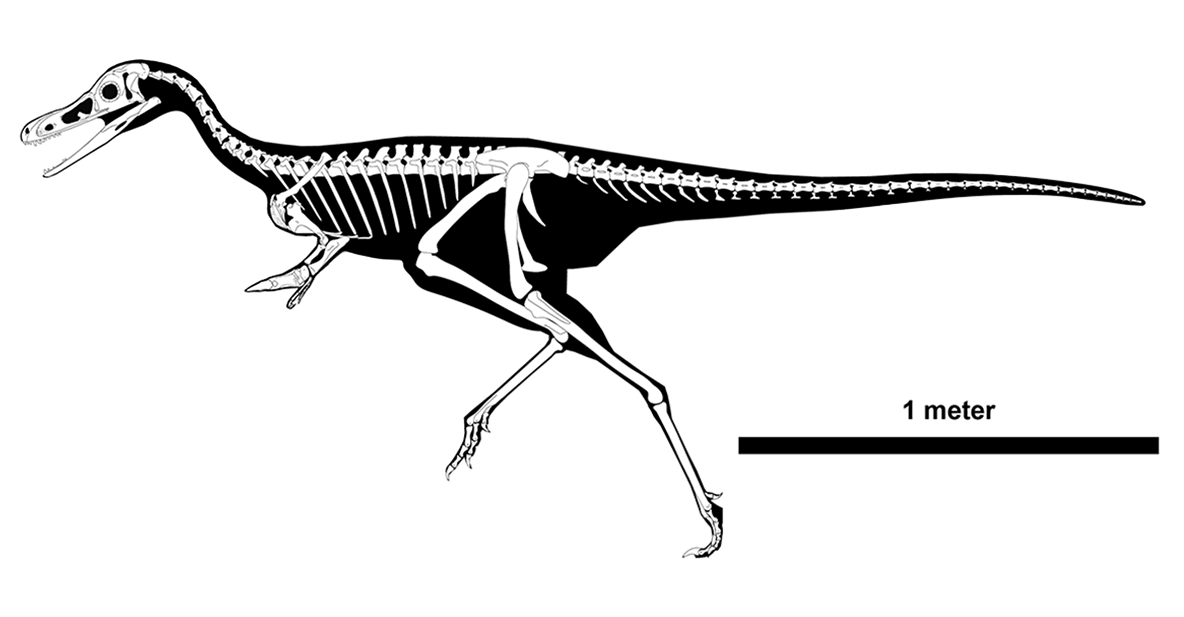
- Estimated length of 2.5–3.3 meters
- Estimated weight of 43–72 kg
- Largest member of the clade Alvarezsauroidea
- Fused scapulocoracoids
- Fused ilium and pubis
- Scapula with a wide notch on the posterior margin
- Spinopostzygapophyseal laminae that end abruptly above the postzygapophyses of mid-dorsal vertebrae
Patagonykus, Achillesaurus
South America
About Bonapartenykus
Bonapartenykus is an extinct genus of alvarezsauroid dinosaur that roamed what is now Argentina during the Late Cretaceous period. The genus is represented by a single species, Bonapartenykus ultimus, known from a partial skeleton found in the Allen Formation of Río Negro Province. This discovery is significant as it represents the largest known member of the Alvarezsauroidea clade, with estimated lengths of 2.5–3.3 meters and weights of 43–72 kilograms.
Discovery and Naming
The holotype specimen of Bonapartenykus was unearthed in fluvial sandstones of the upper Allen Formation. The discovery site also yielded fossils of other dinosaur groups, including hadrosaurids, ankylosaurs, and titanosaurs. The genus was formally named in 2012 by Federico L. Agnolin and colleagues. The genus name honors the Argentine paleontologist José F. Bonaparte, while the specific epithet 'ultimus' refers to its position as one of the geologically latest alvarezsaurids found in South America.
Key Features and Paleobiology
Bonapartenykus displayed several distinctive anatomical traits, including fused scapulocoracoids and a fused ilium and pubis, which helped differentiate it from other alvarezsauroids. Its skeletal structure suggests it was a bipedal theropod. Notably, the partial skeleton was found in close proximity to two incomplete eggs and clusters of eggshells, which were assigned the oogenus name Arriagadoolithus, highlighting the reproductive biology of this dinosaur and its environment.
Paleoenvironment
Bonapartenykus lived in a dynamic environment characterized by fluvial systems, ephemeral lakes, and coastal zones that included estuaries and tidal flats. The Allen Formation's sediments indicate a complex interplay of terrestrial and marine influences, with some areas experiencing significant storm activity. The fauna of this formation was diverse, including various sauropods, ornithopods, other theropods, and even marine reptiles, painting a picture of a rich Late Cretaceous ecosystem in Patagonia.
Source: Wikipedia ↗
Frequently Asked Questions
What does the name Bonapartenykus mean?
The genus name "Bonapartenykus" is a combination of the surname of Argentine paleontologist José F. Bonaparte and the Latin word "onykus," meaning "claw." Thus, it translates to "José F. Bonaparte's claw."
When and where did Bonapartenykus live?
Bonapartenykus lived during the Late Cretaceous period, specifically the Campanian and Maastrichtian stages. Its fossils have been discovered in the Allen Formation of Río Negro Province, Argentina.
What is known about the physical characteristics of Bonapartenykus?
Bonapartenykus is estimated to have been 2.5 to 3.3 meters (8.2 to 10.8 feet) long and weighed between 43 and 72 kilograms (95 to 159 pounds). It was distinguished by features such as fused scapulocoracoids and a fused ilium and pubis.
What kind of environment did Bonapartenykus inhabit?
The Allen Formation, where Bonapartenykus fossils were found, represents a range of environments including ephemeral lakes, wind-swept areas, rivers, and coastal zones with estuaries and tidal flats. Some areas show evidence of significant storm influence linked to wind systems.
What is significant about the discovery of Bonapartenykus eggs?
The discovery of Bonapartenykus fossils included two incomplete eggs and clusters of eggshells, which were unique enough to be given their own parataxonomic name, Arriagadoolithus, and classified into a new oofamily, Arriagadoolithidae.
How does Bonapartenykus relate to other dinosaurs?
Bonapartenykus is classified as an alvarezsauroid dinosaur and is considered the largest member of the Alvarezsauroidea clade. Its phylogenetic placement has been debated, with some studies placing it within Alvarezsauridae and others considering it a more basal alvarezsauroid.
Related Dinosaur species
Cathartesaura
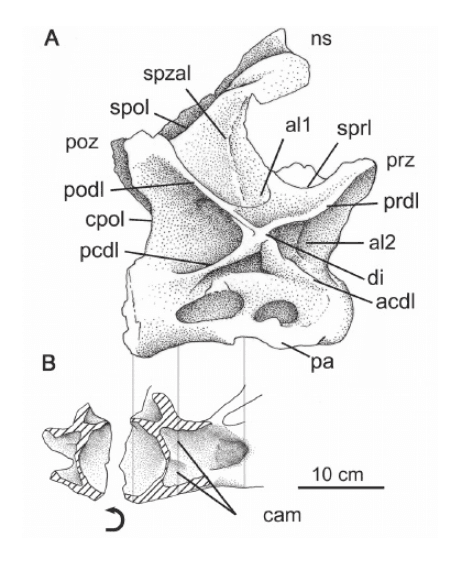
Cathartesaura is a genus of medium-sized herbivorous sauropod dinosaur that lived during the Late Cretaceous period. Its fossil remains were discovered in the Huincul Formation of Argentina. The dinosaur is characterized by a long, lightly built neck with a somewhat limited range of movement.

Abelisaurus
Abelisaurus was a genus of predatory theropod dinosaur that lived in South America during the Late Cretaceous Period. Known primarily from a partial skull, it is estimated to have been a bipedal carnivore reaching around 7.4 meters in length.

Acheroraptor
Acheroraptor is an extinct genus of dromaeosaurid theropod dinosaur that lived in North America during the Late Cretaceous period. It is known from fossil remains discovered in the Hell Creek Formation of Montana, United States. Acheroraptor is notable for being one of the geologically youngest dromaeosaurids, existing just before the Cretaceous-Paleogene extinction event.