
Dahalokely
Dahalokely is an extinct genus of carnivorous abelisauroid theropod dinosaur that lived during the Late Cretaceous period in Madagascar. Its name, meaning "small thief" in Malagasy, reflects its estimated small size compared to other abelisaurids. Dahalokely is significant as the only known dinosaur from Madagascar during the time the island was isolated from Gondwana but still connected to India.
Key Facts
- ›Dahalokely was a carnivorous abelisauroid theropod dinosaur.
- ›It lived during the Late Cretaceous period, specifically the Turonian stage.
- ›Fossils were discovered in northern Madagascar.
- ›The genus name means "small thief" in Malagasy.
- ›Its estimated length ranged from 3.5 to 5.6 meters, depending on reconstruction.
- ›Dahalokely is unique as a dinosaur known from the Indo-Madagascar landmass when it was separated from Gondwana.
- Estimated length of 3.5 to 5.6 meters.
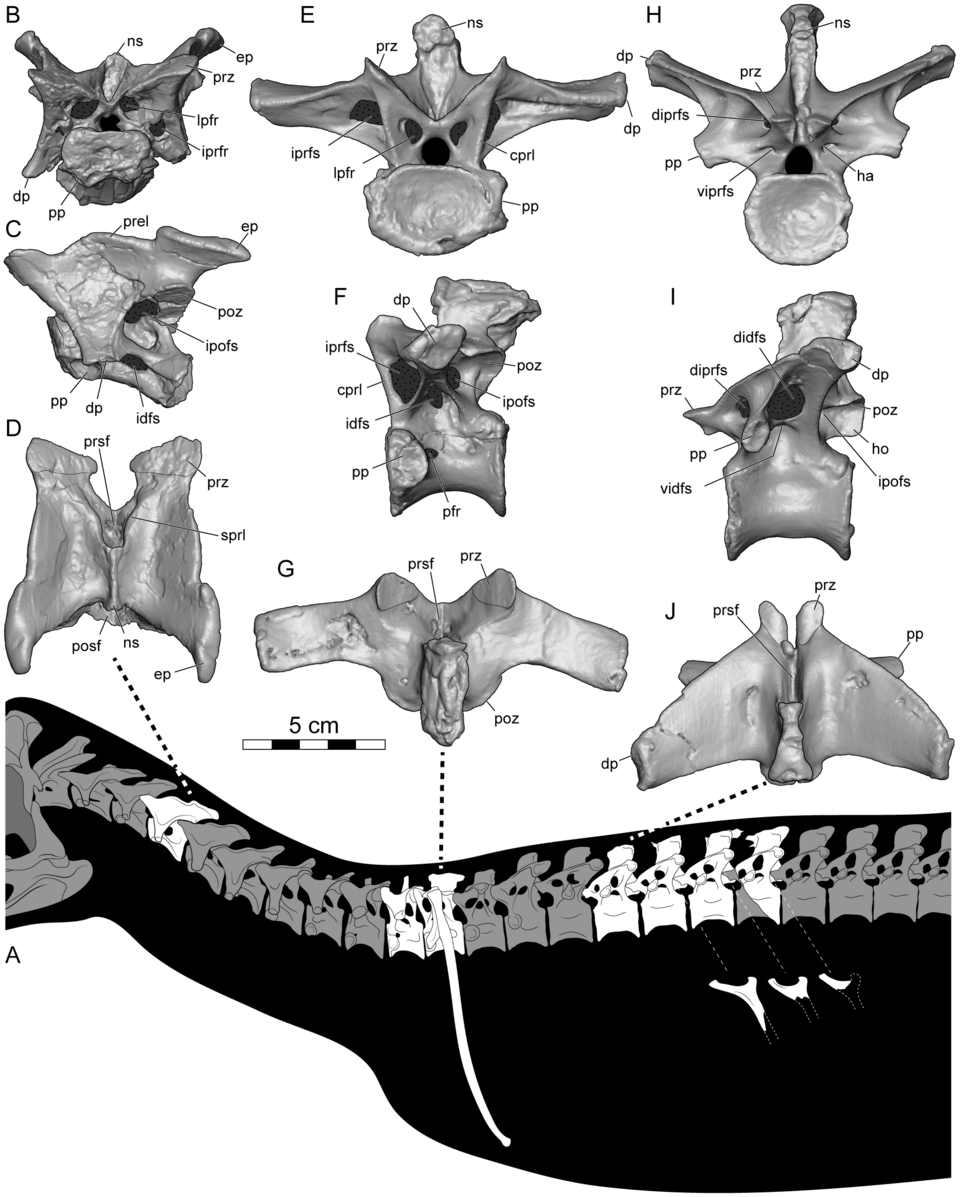
- Possessed unique derived traits in its cervical and dorsal vertebrae.
- Features of vertebrae and ribs show similarities to both Noasauridae and Abelisauridae.
Rahiolisaurus
Madagascar
About Dahalokely
Dahalokely is an extinct genus of carnivorous abelisauroid theropod dinosaur that roamed the Earth during the Late Cretaceous period, specifically the Turonian stage, approximately 93 million years ago. The genus name, "Dahalokely," translates from Malagasy to "small thief," a moniker reflecting its estimated modest size when compared to its larger abelisaurid relatives. The type species, Dahalokely tokana, carries the specific epithet "tokana," meaning "lonely," a nod to the unique geographical isolation of the Madagascan subcontinent during that era.
Discovery and Paleogeography
The remains of Dahalokely were first discovered in 2007 during an expedition in northern Madagascar, near Antsiranana. Excavation continued in 2010, and the fossils were later prepared and studied in the United States before being returned to Madagascar. The holotype specimen, UA 9855, consists of a partial skeleton of a subadult individual, comprising various vertebrae and ribs. These fossils were unearthed in the informally named Ambolafotsy Formation, a geological deposit dating to the Turonian. Dahalokely holds significant paleogeographic importance as the sole dinosaur known from Madagascar during a period when the island was part of the Indo-Madagascar landmass, having separated from the main Gondwanan continent but still connected to India.
Description and Classification
Initial size estimates for Dahalokely placed it around 3.5 meters (11.5 feet) in length. However, depending on whether it possessed a more elongated build like noasaurids, its length could have ranged from 4.2 to 5.6 meters (13.8 to 18.4 feet). Its vertebral anatomy features several unique derived traits, or autapomorphies, particularly in the cervical and dorsal vertebrae, which were used to distinguish it as a new genus. While assigned to the Abelisauroidea, its precise placement within this superfamily has been a subject of debate. Some analyses suggest it was a basal noasaurid, while others have placed it closer to Indian abelisaurids like Rahiolisaurus or as a basal brachyrostran carnotaurine. The incompleteness of the fossil material makes definitive phylogenetic conclusions challenging.
Source: Wikipedia ↗
Frequently Asked Questions
What does the name Dahalokely mean?
The name Dahalokely means "small thief" in the Malagasy language. This name was chosen due to its relatively small estimated size compared to other known abelisaurid dinosaurs.
When did Dahalokely live?
Dahalokely lived during the Late Cretaceous period, specifically the Turonian stage. This places its existence to approximately 93 million years ago.
Where were Dahalokely fossils found?
The fossils of Dahalokely were discovered in northern Madagascar, near Antsiranana. The holotype was found in the Ambolafotsy Formation.
How large was Dahalokely estimated to be?
Initial estimates placed Dahalokely at about 3.5 meters (11.5 feet) long. However, some reconstructions suggest it could have been longer, ranging from 4.2 to 5.6 meters (13.8 to 18.4 feet), depending on its build.
What is the significance of Dahalokely in Madagascar's paleontology?
Dahalokely is important because it is the only dinosaur species known from Madagascar during a specific period when the island was part of the Indo-Madagascar landmass, having separated from the rest of Gondwana but still connected to India.
What group of dinosaurs does Dahalokely belong to?
Dahalokely is classified as a carnivorous abelisauroid theropod dinosaur. Its exact phylogenetic position within the abelisauroids remains uncertain, with features suggesting relationships to both Noasauridae and Abelisauridae.
Related Dinosaur species

Archaeodontosaurus
Archaeodontosaurus is a genus of sauropod dinosaur that lived during the Middle Jurassic period. Its fossils were discovered in the Isalo III Formation of Madagascar. The species Archaeodontosaurus descouensi is known for its prosauropod-like teeth, suggesting it may have been a basal member of the Gravisauria group.

Coelurosauravus
Coelurosauravus was a genus of extinct gliding reptile that lived during the Late Permian period in Madagascar. Members of this genus are distinguished by unique, long, rod-like ossifications projecting from their bodies, which are believed to have formed folding wings for gliding flight, similar to modern Draco lizards. Its scientific name, "hollow-tailed lizard grandfather," reflects its unique anatomical features and its place in evolutionary history.

Abelisaurus
Abelisaurus was a genus of predatory theropod dinosaur that lived in South America during the Late Cretaceous Period. Known primarily from a partial skull, it is estimated to have been a bipedal carnivore reaching around 7.4 meters in length.