
Anodonthyla nigrigularis
Anodonthyla nigrigularis, also known as the Black-throated Climbing frog, is a species of frog endemic to Madagascar. It inhabits subtropical and tropical moist lowland and montane forests, as well as degraded former forest areas. The species is notably threatened by widespread habitat loss due to agricultural expansion, logging, and human settlement.
Key Facts
- ›Endemic to Madagascar.
- ›Inhabits moist lowland and montane forests.
- ›Threatened by habitat loss from agriculture and logging.
- ›Population status is not precisely known but is abundant in well-managed areas.
- ›Also referred to as the Black-throated Climbing frog.
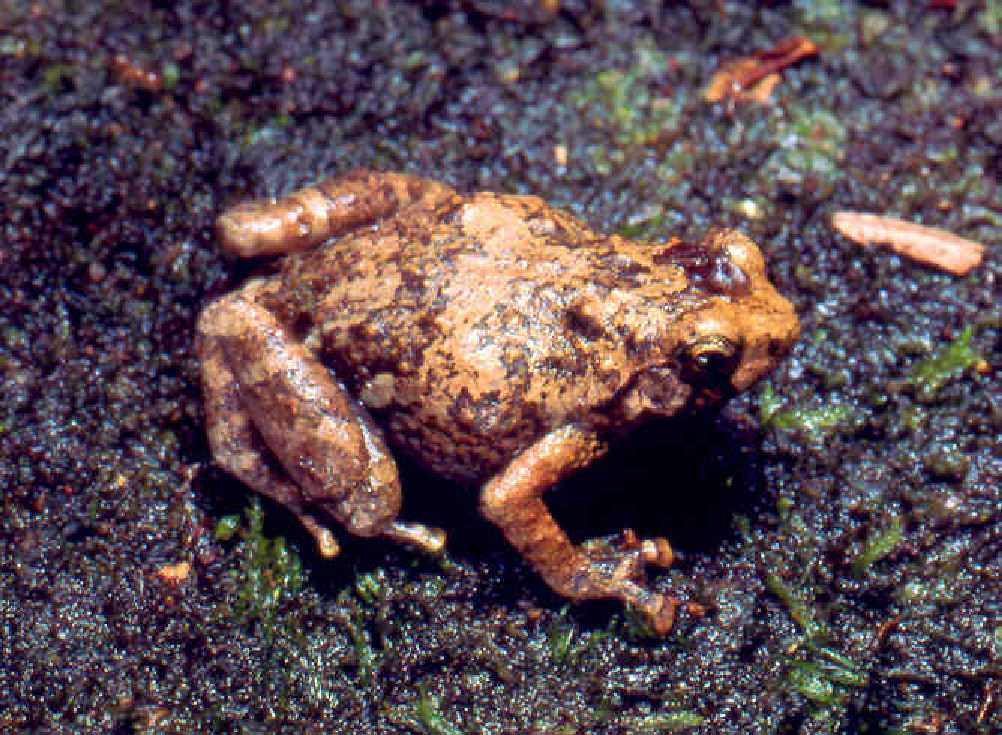
Black-Throated Climbing Frog
Subtropical/Tropical Moist Lowland Forests, Subtropical/Tropical Moist Montane Forests, Degraded Former Forest
Madagascar
Black Throat
About Anodonthyla nigrigularis
Anodonthyla nigrigularis, commonly known as the Black-throated Climbing frog, is a species of frog native to Madagascar. Its natural environment consists of subtropical and tropical moist lowland and montane forests. The species also inhabits areas that have been significantly degraded from their original forest state, suggesting a degree of adaptability to altered landscapes.
Habitat and Threats
The primary ecological niche for Anodonthyla nigrigularis is within humid forest ecosystems. However, these habitats are under severe pressure. The species is threatened by extensive habitat loss, which is a direct consequence of human activities. These activities include the expansion of agriculture, logging for timber extraction, the production of charcoal, the introduction and spread of non-native eucalyptus species, grazing by livestock, and the growth of human settlements.
Population Status
The precise population size of Anodonthyla nigrigularis remains unknown. Nevertheless, observations suggest that the species can be abundant in areas that are well-managed for conservation, such as Andohahela National Park. In contrast, in less effectively managed reserves, like Ambohitantely Reserve, the frog is found to be less common. This disparity highlights the importance of effective habitat management for the species' survival.
Source: Wikipedia ↗
Frequently Asked Questions
What is Anodonthyla nigrigularis?
Anodonthyla nigrigularis is a species of frog belonging to the family Microhylidae. It is native to the island of Madagascar.
Where does Anodonthyla nigrigularis live?
This frog species is found in subtropical or tropical moist lowland forests and subtropical or tropical moist montane forests. It can also be found in areas that were formerly forests but are now heavily degraded.
What are the main threats to Anodonthyla nigrigularis?
Anodonthyla nigrigularis faces significant threats from habitat loss. This is driven by agriculture, timber extraction, charcoal manufacturing, the spread of non-native eucalyptus, livestock grazing, and human settlement.
Is the population of Anodonthyla nigrigularis well-known?
The exact population size of Anodonthyla nigrigularis is not precisely known. However, it appears to be abundant in well-managed areas like Andohahela National Park, while being less common in less well-managed reserves such as Ambohitantely Reserve.
Related Frogs
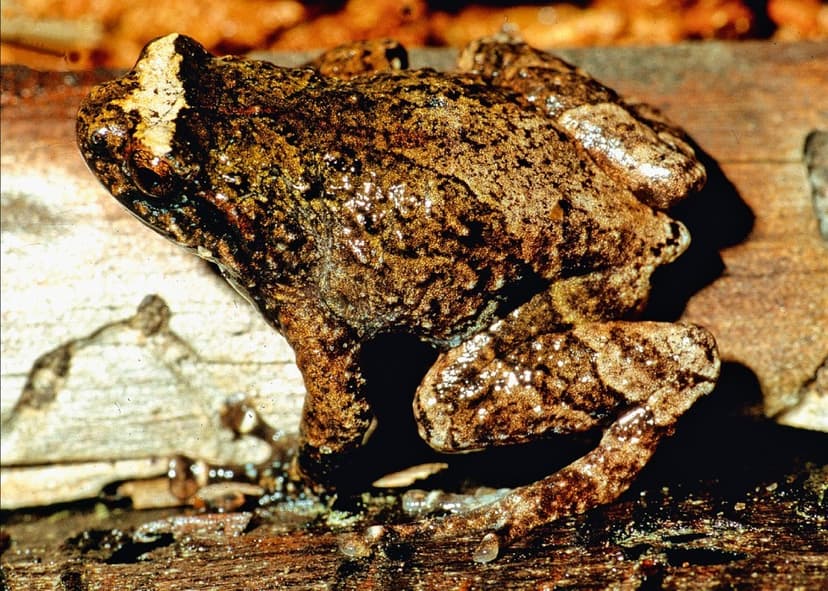
Anodonthyla vallani
Anodonthyla vallani is a species of microhylid frog discovered in the Réserve Spéciale d’Ambohitantely in the central highlands of Madagascar. Previously confused with another species, it is distinguished by its presence exclusively in high-elevation forests. This narrow-mouthed frog was named in honor of Denis Vallan.
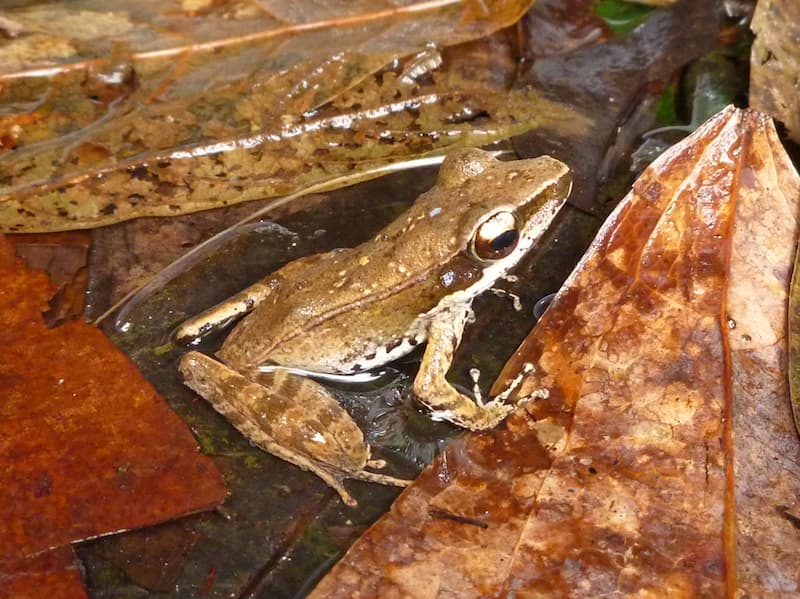
"Hylarana" celebensis
Papurana celebensis, formerly known as "Hylarana" celebensis, is a species of true frog endemic to Sulawesi, Indonesia. This frog inhabits lowland forests and disturbed areas, being found at elevations between 326 and 1075 meters above sea level.

Amolops gerbillus
Amolops gerbillus, also referred to as the Yembung sucker frog or the gerbil stream frog, is an amphibian species native to South Asia, specifically found in the Himalayan foothills of Bhutan, India, Myanmar, Nepal, and Tibet. This species is distinctive for its amphibious lifestyle, equally dividing its time between basking in the sun and actively hunting and swimming in aquatic environments.