
Anodonthyla vallani
Anodonthyla vallani is a species of microhylid frog discovered in the Réserve Spéciale d’Ambohitantely in the central highlands of Madagascar. Previously confused with another species, it is distinguished by its presence exclusively in high-elevation forests. This narrow-mouthed frog was named in honor of Denis Vallan.
Key Facts
- ›Found only in high-elevation forests of the Ambohitantely Reserve in Madagascar.
- ›Was previously misidentified as Anodonthyla nigrigularis.
- ›Breeds in water-filled tree holes.
- ›Population numbers are low and declining due to habitat impact from deforestation.
- ›The male and female frogs release sperm and eggs simultaneously for external fertilization.
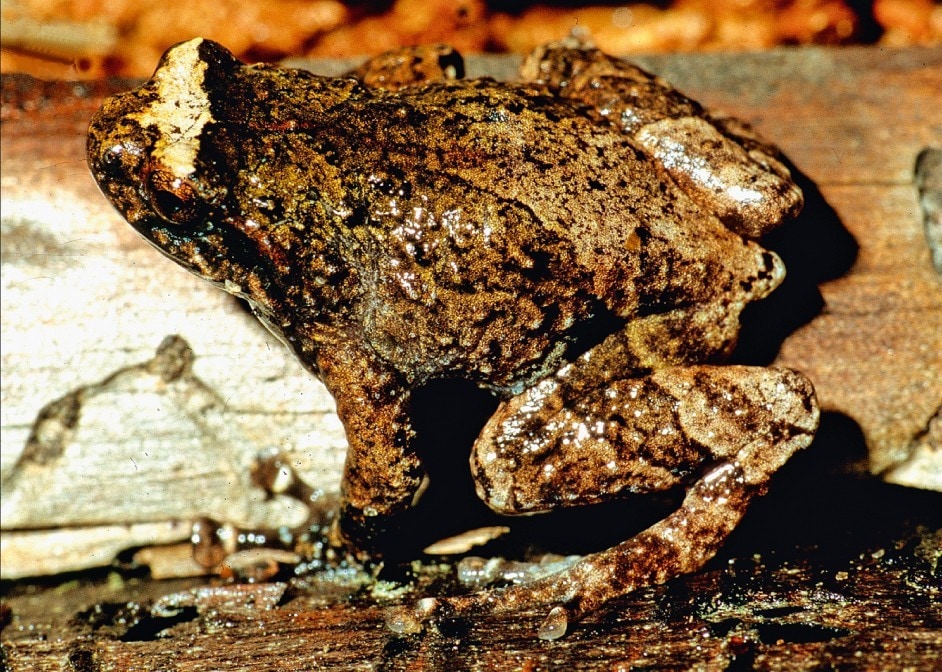
Vallan's Narrow-Mouthed Frog
High-Altitude Forests, Forests
Madagascar
Narrow Mouth, Exclusive Presence In High-Elevation Forests
About Anodonthyla vallani
Anodonthyla vallani: A High-Altitude Forest Dweller
Anodonthyla vallani is a species of microhylid frog, recognized for its specific habitat requirements and its discovery in the central highlands of Madagascar. This narrow-mouthed frog was first identified in the Réserve Spéciale d’Ambohitantely, an area that has become its sole known refuge. Previously, it was often confused with another species, Anodonthyla nigrigularis, making its distinct identification a significant finding for Malagasy herpetology.
Habitat and Distribution
The natural habitat of Anodonthyla vallani is restricted to high-elevation forests. It has been observed living on tree trunks, often several meters above the ground, suggesting an arboreal lifestyle. Interestingly, these frogs appear to be more active during drier periods within their forest environment. Due to significant population declines and habitat loss, the species is now critically endangered and is found almost exclusively within the protected confines of the Ambohitantely Species Reserve.
Reproduction and Conservation Concerns
Reproduction for Anodonthyla vallani occurs in water-filled tree holes. The species reproduces sexually, with external fertilization taking place as male and female frogs simultaneously release their sperm and eggs. The eggs develop into tadpoles, which eventually mature into adult frogs. The population of Anodonthyla vallani is unfortunately low and continues to decline. This is largely attributed to habitat degradation caused by deforestation and other human-induced environmental pressures, making conservation efforts within its reserve crucial for its survival.
Source: Wikipedia ↗
Frequently Asked Questions
Where was Anodonthyla vallani discovered?
Anodonthyla vallani was discovered in the Réserve Spéciale d’Ambohitantely, located in the central highlands of Madagascar. This specific reserve is its sole known habitat.
What is the habitat of Anodonthyla vallani?
This frog species lives in high-altitude forests and has been observed on tree trunks several meters above the ground. They appear to be more active in drier conditions within these forest environments.
Why is the population of Anodonthyla vallani declining?
The population of Anodonthyla vallani is low and declining primarily due to habitat destruction caused by deforestation and other human activities. As a small species, they are particularly vulnerable to these environmental changes.
How does Anodonthyla vallani reproduce?
Like many frog species, Anodonthyla vallani lays eggs that hatch into tadpoles. They reproduce sexually, with both male and female frogs releasing their gametes simultaneously into water-filled tree holes for external fertilization.
What makes Anodonthyla vallani distinctive?
Anodonthyla vallani is a narrow-mouthed frog and is exclusively found in the high-elevation forests of the Ambohitantely Reserve. It was also previously confused with another similar-looking species, Anodonthyla nigrigularis.
Related Frogs
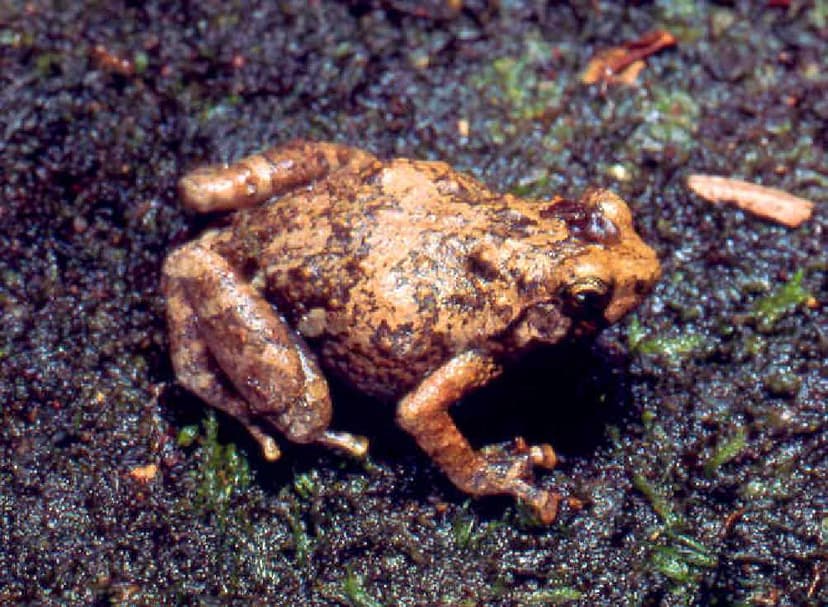
Anodonthyla nigrigularis
Anodonthyla nigrigularis, also known as the Black-throated Climbing frog, is a species of frog endemic to Madagascar. It inhabits subtropical and tropical moist lowland and montane forests, as well as degraded former forest areas. The species is notably threatened by widespread habitat loss due to agricultural expansion, logging, and human settlement.
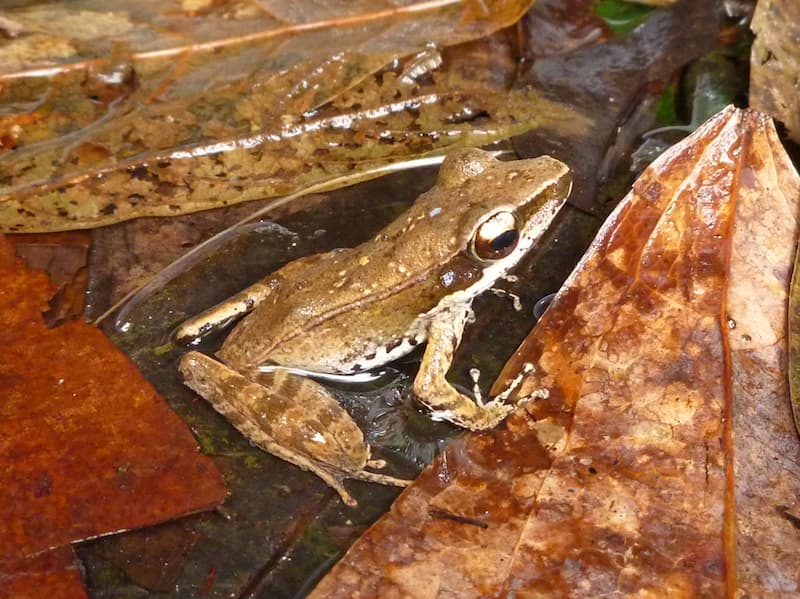
"Hylarana" celebensis
Papurana celebensis, formerly known as "Hylarana" celebensis, is a species of true frog endemic to Sulawesi, Indonesia. This frog inhabits lowland forests and disturbed areas, being found at elevations between 326 and 1075 meters above sea level.

Amolops gerbillus
Amolops gerbillus, also referred to as the Yembung sucker frog or the gerbil stream frog, is an amphibian species native to South Asia, specifically found in the Himalayan foothills of Bhutan, India, Myanmar, Nepal, and Tibet. This species is distinctive for its amphibious lifestyle, equally dividing its time between basking in the sun and actively hunting and swimming in aquatic environments.