
Blarina
Shrew·North America
Blarina is a genus of relatively large North American shrews characterized by their short tails. These shrews possess toxic saliva, which they use to immobilize their prey, and are known to be reservoirs for diseases like Lyme disease. The genus includes several species, with some facing potential extinction.
Key Facts
- ›Blarina are relatively large shrews with short tails native to North America.
- ›They possess 32 teeth and belong to the red-toothed shrew subfamily.
- ›Their saliva is toxic and is employed to subdue prey.
- ›Blarina shrews act as reservoirs for the agents of Lyme disease and human babesiosis.
- ›The genus includes species such as B. brevicauda, B. carolinensis, B. hylophaga, B. peninsulae, and B. shermani.
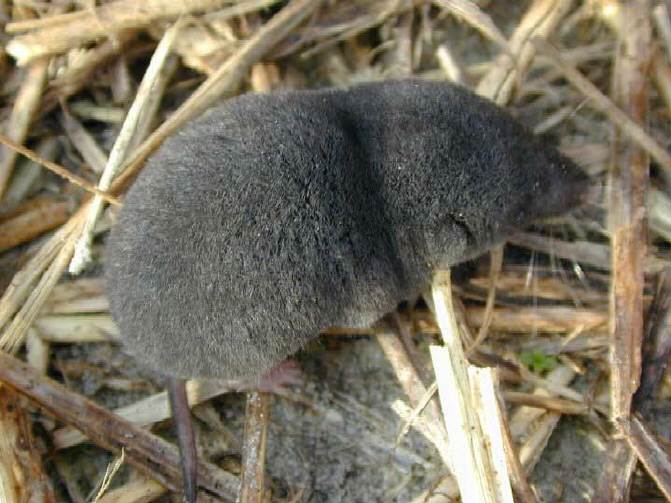
Short-Tailed Shrews
North America
Relatively Large Shrews, Relatively Short Tails, Dark Fur, Thick Feet, 32 Teeth
Use Toxic Saliva To Subdue Prey
About Blarina
Blarina: North American Short-Tailed Shrews
The genus Blarina encompasses a group of relatively large shrews native to North America, distinguished by their characteristically short tails. These mammals are part of the red-toothed shrew subfamily and possess a notable feature: toxic saliva, which they utilize as a tool to immobilize their prey before consumption.
Species and Distribution
Several species fall under the Blarina genus, including the Northern short-tailed shrew (B. brevicauda), the Southern short-tailed shrew (B. carolinensis), Elliot's short-tailed shrew (B. hylophaga), and the Everglades short-tailed shrew (B. peninsulae). Sherman's short-tailed shrew (B. shermani) is also recognized, though its conservation status is precarious, with suggestions of possible extinction.
Ecological Role and Health Significance
Beyond their predatory adaptations, Blarina shrews play a significant role in their ecosystems as reservoirs for certain pathogens. They are known carriers of the agents responsible for Lyme disease and human babesiosis, highlighting their importance in the ecoepidemiology of these zoonotic diseases.
Source: Wikipedia ↗
Frequently Asked Questions
What are Blarina shrews?
Blarina are a genus of relatively large shrews found in North America. They are distinguished by their short tails and are known for their toxic saliva.
What makes Blarina shrews distinctive?
Blarina shrews have toxic saliva that they use to subdue their prey. They also have relatively short tails compared to other shrew species and possess 32 teeth.
Are Blarina shrews important in disease transmission?
Yes, Blarina shrews are significant as they are one of the animal reservoirs for the agents that cause Lyme disease and human babesiosis.
What are the different species of Blarina?
The recognized species within the Blarina genus include the Northern short-tailed shrew (B. brevicauda), Southern short-tailed shrew (B. carolinensis), Elliot's short-tailed shrew (B. hylophaga), and the Everglades short-tailed shrew (B. peninsulae). Sherman's short-tailed shrew (B. shermani) is also listed but may be extinct.
Related Insectivore species
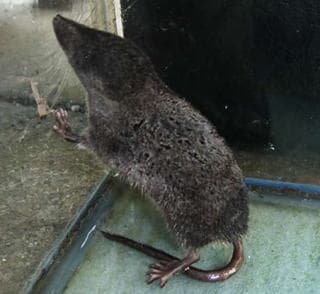
Chimarrogale
Chimarrogale represents a genus of Asiatic water shrews, small mammals belonging to the subfamily Soricinae within the family Soricidae. These shrews are characterized by their aquatic adaptations, with several species specifically inhabiting streams. The genus encompasses six distinct species found across various parts of Asia.
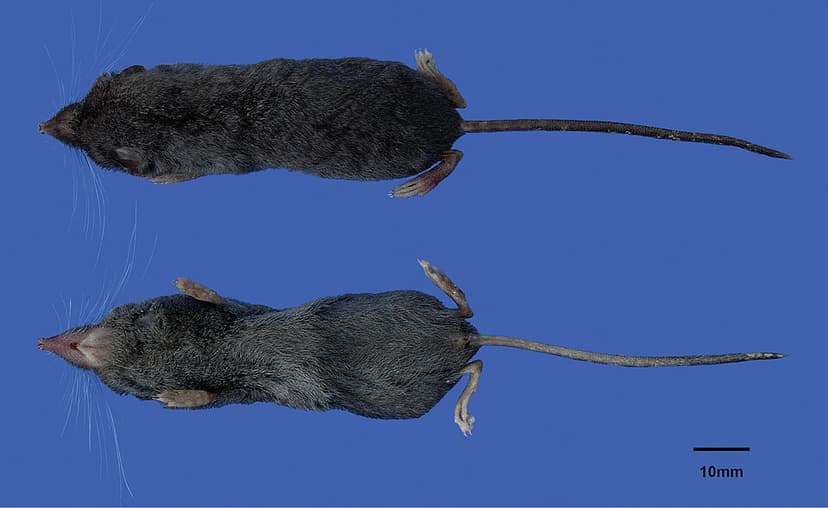
Chodsigoa
Chodsigoa is a genus of shrews belonging to the tribe Nectogalini. This genus is recognized within the family Soricidae and contains ten currently classified species. Historically, Chodsigoa has also been considered a subgenus of the genus Soriculus.

Anourosorex
Anourosorex, commonly known as Asian mole shrews, are a genus of shrews found in East Asia and Southeast Asia. They are distinctive for their mole-like appearance and are the sole members of the Anourosoricini tribe within the red-toothed shrews. Four living species and one extinct species are recognized.