
Chimarrogale
Shrew·Aquatic environments, including streams
Chimarrogale represents a genus of Asiatic water shrews, small mammals belonging to the subfamily Soricinae within the family Soricidae. These shrews are characterized by their aquatic adaptations, with several species specifically inhabiting streams. The genus encompasses six distinct species found across various parts of Asia.
Key Facts
- ›Chimarrogale are aquatic mammals found in Asia.
- ›They belong to the shrew subfamily Soricinae.
- ›Several species are known to inhabit streams.
- ›The genus contains six recognized species.
- ›They are part of the larger Soricidae family.
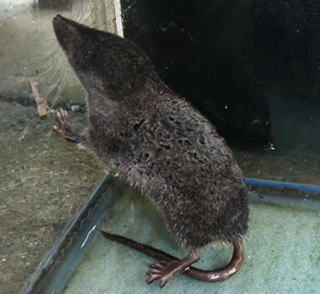
Asiatic Water Shrew
Asia
About Chimarrogale
The genus Chimarrogale encompasses the Asiatic water shrews, a group of mammals within the subfamily Soricinae, which itself is part of the family Soricidae. These shrews are distinguished by their aquatic adaptations, with certain species specifically noted for inhabiting streams. The genus is comprised of six recognized species, each with its own distribution across various Asian regions.
Species within the Genus
The species currently classified under Chimarrogale are:
- Chimarrogale hantu (Malayan water shrew)
- Chimarrogale himalayica (Himalayan water shrew)
- Chimarrogale phaeura (Bornean water shrew)
- Chimarrogale platycephalus (Japanese water shrew)
- Chimarrogale styani (Chinese water shrew)
- Chimarrogale sumatrana (Sumatran water shrew)
These species collectively represent the diversity of water shrews found in Asia, highlighting their specialized ecological niches, particularly in freshwater environments.
Source: Wikipedia ↗
Frequently Asked Questions
What kind of animals are Chimarrogale?
Chimarrogale are Asiatic water shrews, which are small mammals. They belong to the subfamily Soricinae and are part of the Soricidae family.
Where do Chimarrogale live?
Chimarrogale are found in Asia. Some species within the genus are specifically adapted to living in and around streams.
How many species are in the Chimarrogale genus?
The genus Chimarrogale contains six distinct species. These include the Malayan, Himalayan, Bornean, Japanese, Chinese, and Sumatran water shrews.
Related Insectivore species
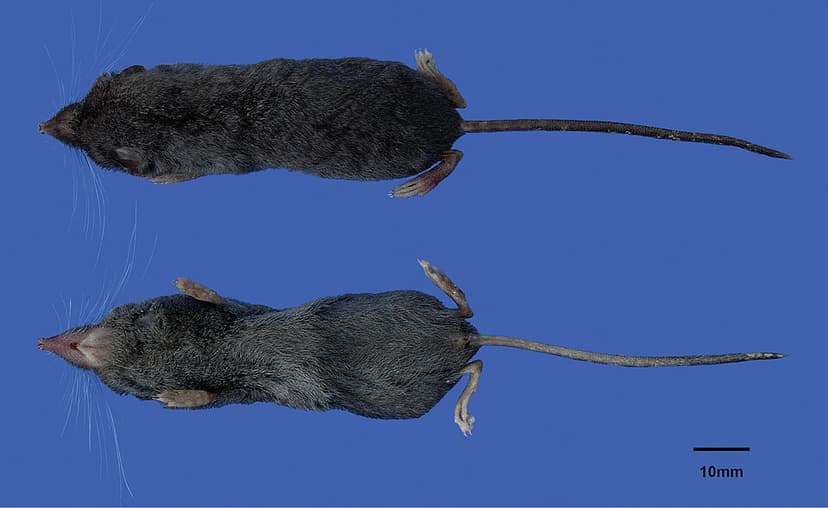
Chodsigoa
Chodsigoa is a genus of shrews belonging to the tribe Nectogalini. This genus is recognized within the family Soricidae and contains ten currently classified species. Historically, Chodsigoa has also been considered a subgenus of the genus Soriculus.
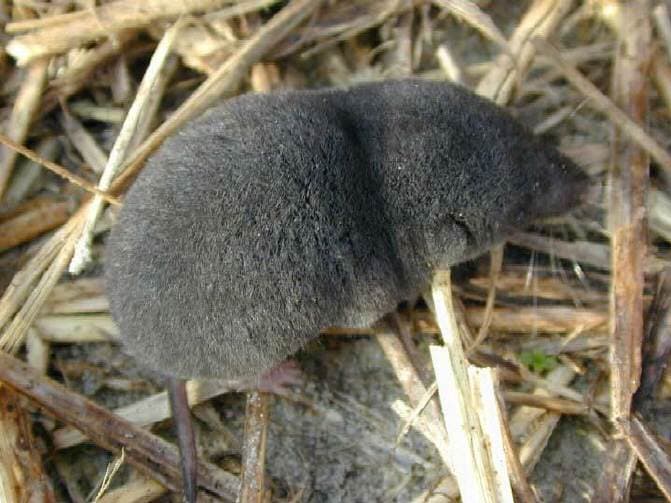
Blarina
Blarina is a genus of relatively large North American shrews characterized by their short tails. These shrews possess toxic saliva, which they use to immobilize their prey, and are known to be reservoirs for diseases like Lyme disease. The genus includes several species, with some facing potential extinction.

Anourosorex
Anourosorex, commonly known as Asian mole shrews, are a genus of shrews found in East Asia and Southeast Asia. They are distinctive for their mole-like appearance and are the sole members of the Anourosoricini tribe within the red-toothed shrews. Four living species and one extinct species are recognized.