
Chalcides pentadactylus
Not Evaluated·Unknown, but other species in the genus are viviparous (give birth to live young).
Chalcides pentadactylus, commonly known as the five-fingered skink, is a species of skink native to the Western Ghats of India. Little is known about this species due to the loss of its only known specimen, making its exact identification and taxonomic placement uncertain. Further research with new material is required to fully understand this elusive lizard.
Key Facts
- ›Native to the Western Ghats of India.
- ›Also referred to as the five-fingered skink.
- ›Almost nothing is known about its biology or behavior.
- ›The sole known specimen, the holotype, is lost.
- ›Its true identity and generic placement require examination of new material.
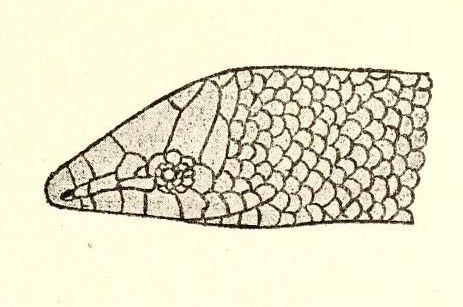
Five-Fingered Skink
India
Tidal River Areas
- Possesses Five Digits On Its Limbs, As Suggested By Its Common Name.
- Specific Details Regarding Size, Coloration, and Scale Patterns Are Not Documented Due To the Loss of the Holotype.
Unknown
Unknown
About Chalcides pentadactylus
Chalcides pentadactylus: The Enigmatic Five-Fingered Skink
Chalcides pentadactylus, commonly referred to as the five-fingered skink, is a species of lizard native to the Western Ghats of India. Despite its designation, almost nothing is definitively known about this particular skink. Its existence in scientific records is primarily based on a single specimen, the holotype, which has since been lost. This loss has created a significant gap in our understanding of the species.
Identity and Classification Challenges
The loss of the holotype specimen poses a considerable obstacle to accurately identifying Chalcides pentadactylus and determining its correct place within the Chalcides genus. Scientists require the examination of fresh material to resolve these taxonomic uncertainties. While females of other species within the Chalcides genus are known to be viviparous, giving birth to live young, this reproductive characteristic has not been confirmed for C. pentadactylus due to the lack of available data.
Geographic Origin
The type locality for Chalcides pentadactylus is recorded as "Kuddle Poondy, a tidal river near Beypore," which is now identified as Kadal Undi, near Beypur in Kerala State, south-western India. This location places the species within the biodiversity-rich Western Ghats mountain range. However, without further specimens or ecological studies, the full extent of its distribution and habitat preferences remain unknown.
Source: Wikipedia ↗
Frequently Asked Questions
Where is Chalcides pentadactylus found?
Chalcides pentadactylus is found in the Western Ghats region of India. The type locality is specifically noted as Kadal Undi, a tidal river near Beypur in Kerala State.
What is the common name for Chalcides pentadactylus?
The common name for Chalcides pentadactylus is the five-fingered skink. This name likely refers to a physical characteristic, though specific details are not provided in available records.
Is there much information available about Chalcides pentadactylus?
Very little is known about Chalcides pentadactylus. This is primarily because the only specimen ever collected, the holotype, has been lost.
What is the scientific classification of Chalcides pentadactylus?
Chalcides pentadactylus belongs to the genus Chalcides. However, its correct generic assignment requires further study due to the loss of the original specimen.
What are the challenges in studying Chalcides pentadactylus?
The main challenge in studying Chalcides pentadactylus is the loss of its holotype. Without this specimen, its true identity, origin, and correct classification remain uncertain.
Related Lizards

Lialis burtonis
Burton's legless lizard (Lialis burtonis) is a unique reptile native to Australia and Papua New Guinea, characterized by its complete lack of forelimbs and greatly reduced hind limbs, resembling a snake but distinct in its evolutionary lineage. This species is a visual predator with specialized adaptations for capturing and consuming other lizards, often found in diverse habitats from deserts to rainforest margins.

Calodactylodes aureus
The Indian golden gecko, also known as Beddome's golden gecko (Calodactylodes aureus), is a species of gecko endemic to the rocky Eastern Ghats of India. It is distinguished by its slender digits with large trapezoidal expansions, a body covered in small granular scales with scattered larger tubercles, and a golden-brown coloration during life. This species was rediscovered in the Tirupati Hills after more than a century.

Cnemaspis wynadensis
The Wynad day gecko (Cnemaspis wynadensis) is a species of gecko found exclusively in the Western Ghats of Kerala, India. This small lizard is characterized by its granular scales, particularly on the upper body, and a marbled brown coloration. It inhabits moist forests and is known from only two specific locations.