
Chalcides
Chalcides·Scincidae
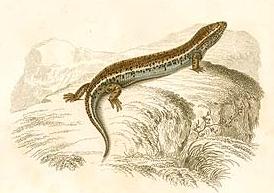
Chalcides is a genus of skinks belonging to the family Scincidae, primarily found in Africa. These lizards are characterized by their cylindrical bodies and often reduced limbs, adapted for burrowing. The genus encompasses a diverse range of species with varying common names, inhabiting a variety of environments across their geographic distribution.
Key Facts
- ›Chalcides is a genus of skinks within the family Scincidae.
- ›The genus is typically placed in the subfamily Scincinae.
- ›Species within Chalcides are primarily African in distribution.
- ›Many species exhibit cylindrical bodies and reduced limbs, indicative of burrowing adaptations.
- ›The genus contains numerous recognized species, each with its own specific common names and characteristics.
- ›Some species are adapted to specific habitats such as deserts or rocky areas.
Africa
Desert, Rocky Areas, Various Terrestrial Habitats
Cylindrical Bodies, Often Reduced Limbs, Smooth, Overlapping Scales
Burrowing Behavior
About Chalcides
Chalcides Skinks
Chalcides is a genus comprising a diverse array of skinks, notable for their distinctive physical adaptations and broad distribution across the African continent. As members of the Scincidae family, these lizards are typically classified within the subfamily Scincinae, a group largely characterized by its African members. The genus is recognized for its numerous species, each often possessing unique common names and specific ecological roles.
Physical Characteristics and Adaptations
A key distinguishing feature of many Chalcides species is their cylindrical body shape, often accompanied by significantly reduced limbs. These morphological traits are strong indicators of their adaptation to a fossorial lifestyle, meaning they are well-suited for life beneath the ground. Their scales are characteristically smooth and overlap, providing protection and aiding in movement through soil and sand.
Diversity and Distribution
The genus Chalcides encompasses a substantial number of recognized species, each contributing to the ecological landscape of their respective habitats. While their primary range is continental Africa, the specific distribution patterns can vary greatly among species, with some occupying specialized niches within desert environments, rocky outcrops, or other terrestrial ecosystems. This diversity in species and habitat preference highlights the evolutionary success and adaptability of the Chalcides genus.
Source: Wikipedia ↗
Frequently Asked Questions
What family do Chalcides belong to?
Chalcides belong to the family Scincidae, which are commonly known as skinks. This family is characterized by lizards with smooth, overlapping scales and often reduced limbs.
Where are Chalcides found geographically?
The genus Chalcides is primarily found across the African continent. Specific species may have more localized distributions within different regions of Africa and some surrounding islands.
What are some common physical traits of Chalcides skinks?
Many Chalcides species are distinguished by their cylindrical bodies and notably reduced limbs, which are adaptations for burrowing. Their scales are typically smooth and overlapping.
Are there many different species within the Chalcides genus?
Yes, the genus Chalcides is recognized as containing a considerable number of distinct species. Each species often has unique common names and specific ecological niches.
What is the subfamily typically associated with Chalcides?
Chalcides are usually placed within the subfamily Scincinae. This subfamily is recognized as a monophyletic group consisting predominantly of African skinks.
Related Lizards

Alsophylax boehmei
Alsophylax boehmei, formerly considered a subspecies of Altiphylax stoliczkai, is a species of gecko endemic to South Asia. It inhabits arid and mountainous regions, preferring deserts, grasslands, and rocky terrains. This species is oviparous, laying eggs as its primary method of reproduction.

Coleonyx switaki
Switak's banded gecko (Coleonyx switaki) is a species of lizard found in the deserts and rocky areas of the southwestern United States and northwestern Mexico. It is characterized by a body covered in round brown spots and can reach a snout-to-vent length of up to 8.6 centimeters. This oviparous species is named in honor of German herpetologist Karl-Heinz Switak.
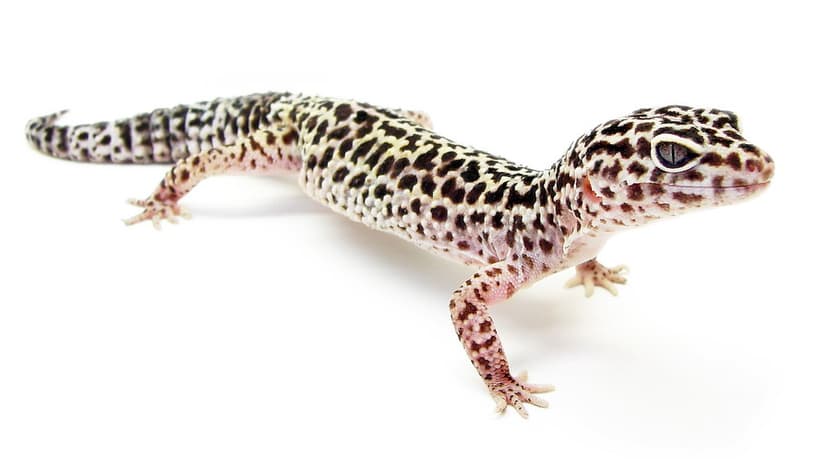
Common leopard gecko
The common leopard gecko (Eublepharis macularius) is a ground-dwelling lizard native to the arid regions of South Asia, including Afghanistan, Pakistan, India, and Nepal. Known for its distinctive spotted patterns and thick, fat-storing tail, it is a popular pet, often considered the first domesticated lizard species. These geckos are primarily nocturnal and opportunistic predators, feeding on invertebrates and small vertebrates.