
Diplodactylus wellingtonae
The Western Shield spiny-tailed gecko, scientifically known as Strophurus wellingtonae, is a species of lizard endemic to Australia. It is characterized by its large size within its genus and inhabits grasslands and savannas in western Western Australia. This gecko is oviparous, laying eggs as its primary method of reproduction.
Key Facts
- ›Endemic to western Western Australia.
- ›Inhabits grassland and savanna habitats.
- ›Can reach a snout-to-vent length of 8.5 cm and a total length of 14.5 cm.
- ›Belongs to the Diplodactylidae family.
- ›Reproduction is oviparous (egg-laying).
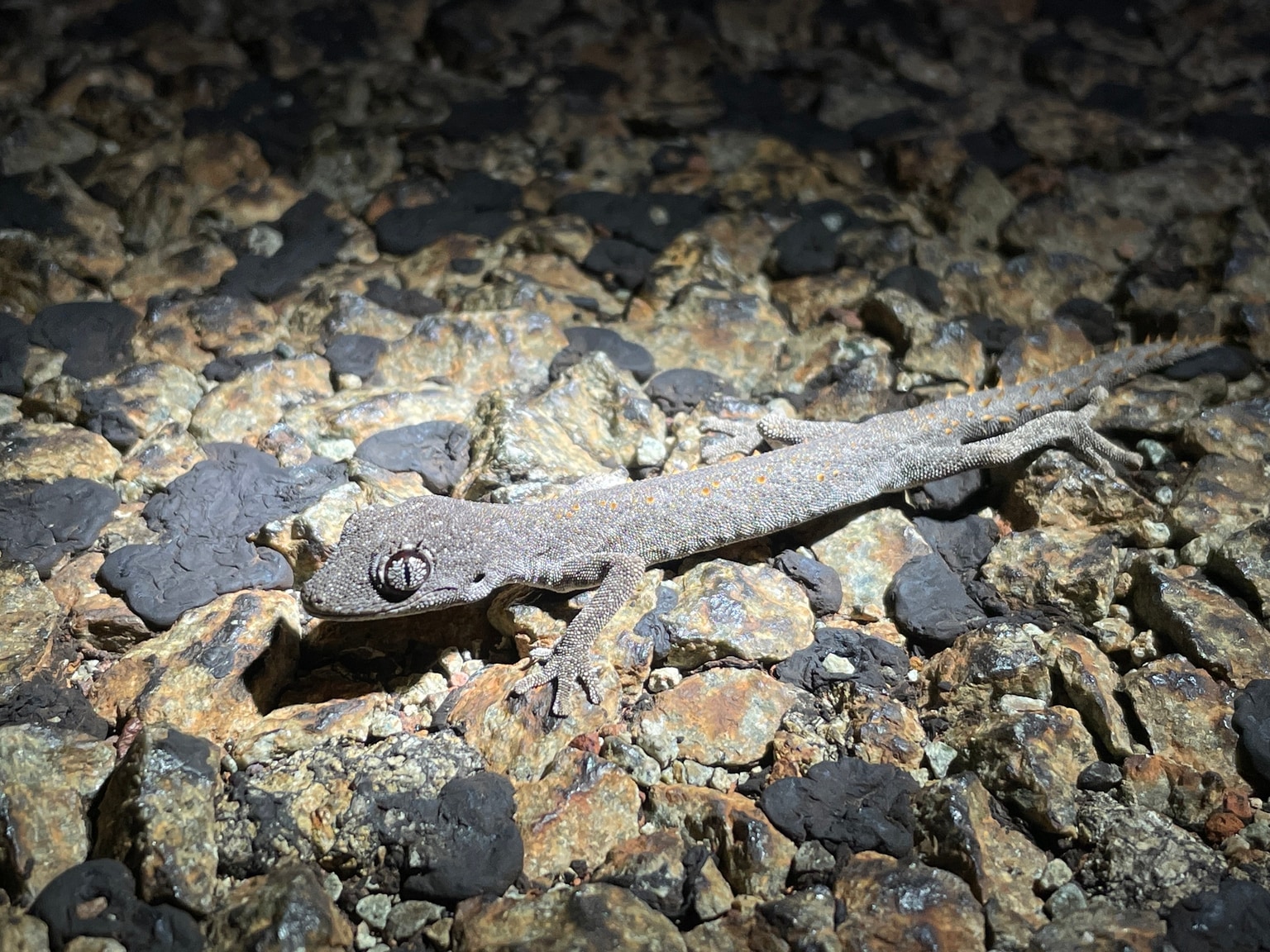
Wellington's Spiny-Tailed Gecko, Western Shield Spiny-Tailed Gecko
Western Australia
Large Species For Its Genus., May Attain A Snout-To-Vent Length of 8.5 cm ., May Attain A Total Length of 14.5 cm .
About Diplodactylus wellingtonae
Western Shield Spiny-tailed Gecko: Strophurus wellingtonae
The Western Shield spiny-tailed gecko, scientifically identified as Strophurus wellingtonae, is a distinctive lizard species native to Australia. It is also recognized by the common name Wellington's spiny-tailed gecko.
Habitat and Distribution
This gecko is endemic to the western part of Western Australia, where it has adapted to life in grassland and savanna environments. Its geographic range is specifically confined to these vegetated areas within the state.
Physical Characteristics
Strophurus wellingtonae is notable for its size within its genus. Adult individuals can reach a snout-to-vent length of up to 8.5 centimeters (approximately 3.3 inches). When its tail is included, the total length of the gecko can extend to about 14.5 centimeters (around 5.7 inches).
Reproduction
The reproductive strategy of the Western Shield spiny-tailed gecko is oviparous, meaning the species reproduces by laying eggs. Further details regarding its reproductive cycle, such as clutch size or incubation periods, are not extensively documented in available records.
Taxonomy
The species belongs to the family Diplodactylidae, a group known for its diverse gecko species. The specific epithet, 'wellingtonae,' was given in honor of Betty D. Wellington of Mount Helena, Western Australia.
Source: Wikipedia ↗
Frequently Asked Questions
What is the scientific name for the Western Shield spiny-tailed gecko?
The scientific name for the Western Shield spiny-tailed gecko is Strophurus wellingtonae. It is sometimes referred to by its genus name, Strophurus.
Where can the Western Shield spiny-tailed gecko be found?
This gecko species is found exclusively in western Western Australia. Its preferred habitats are grasslands and savannas within this region.
What are the physical characteristics of Strophurus wellingtonae?
Strophurus wellingtonae is considered a large species for its genus. It can grow to a snout-to-vent length of up to 8.5 cm, with a total length, including its tail, reaching approximately 14.5 cm.
How does the Western Shield spiny-tailed gecko reproduce?
The Western Shield spiny-tailed gecko is oviparous, meaning it reproduces by laying eggs.
What is the common name for Strophurus wellingtonae?
Besides the Western Shield spiny-tailed gecko, it is also commonly known as Wellington's spiny-tailed gecko.
Related Lizards

Amphisbaena kingii
King's worm lizard (Amphisbaena kingii) is a species of amphisbaenian native to South America, specifically found in Argentina, Bolivia, Brazil, and Uruguay. It prefers savanna and grassland habitats and is characterized by its purplish-brown dorsal coloration and whitish underside, reaching an average snout-to-vent length of 21 cm.

Latastia johnstonii
Latastia johnstonii, also known as Johnston's long-tailed lizard, is a species found in East Africa, inhabiting grasslands and savannas. Adults typically reach a total length of 15-20 cm, with juveniles exhibiting a distinctive red tail that fades with age. This diurnal and fast-moving lizard primarily feeds on invertebrates.

Lygodactylus arnoulti
Pasteur's dwarf gecko (Lygodactylus arnoulti) is a species of gecko native to Madagascar. It is characterized by its preference for high-altitude grasslands and savannas. The species is oviparous, meaning it reproduces by laying eggs.