
Ebenavia inunguis
The Madagascar clawless gecko (Ebenavia inunguis) is a small, nocturnal lizard native to the Indian Ocean islands of Madagascar, Mauritius, the Comores, and Pemba Island. During the day, they seek shelter under the bark of large rainforest trees or within leaf litter. Notably, despite their common name, female individuals do possess claws.
Key Facts
- ›Small nocturnal lizard found on several Indian Ocean islands.
- ›Inhabits rainforests, sheltering under bark and in leaf litter.
- ›Females of the species do possess claws.
- ›Native to Madagascar, Mauritius, Comoros, and Pemba Island.
- ›Primarily active at night.
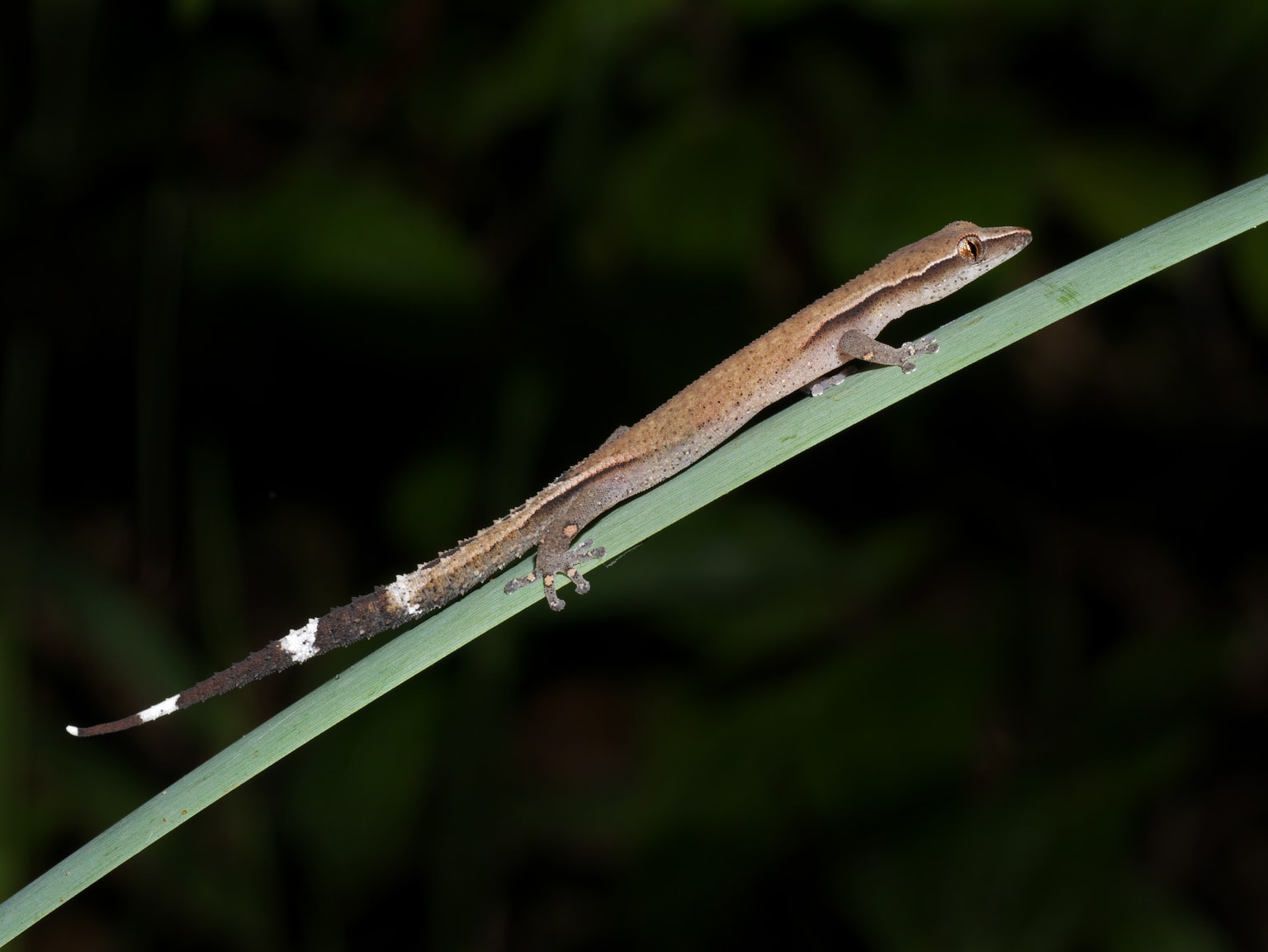
Madagascar Clawless Gecko
Madagascar, Mauritius, Comoros, Pemba Island
Small Lizard Species., Females Possess Claws.
- Nocturnal.
- Hides Under Tree Bark and In Leaf Litter By Day.
About Ebenavia inunguis
Madagascar Clawless Gecko (Ebenavia inunguis)
The Madagascar clawless gecko, scientifically classified as Ebenavia inunguis, is a small reptile species recognized for its nocturnal lifestyle. This gecko is naturally found across several islands in the Indian Ocean, including Madagascar, Mauritius, the Comoro Islands, and Pemba Island. Its habitat is primarily the rainforest, where it seeks shelter during the day.
Habitat and Behavior
By daylight, Ebenavia inunguis is a reclusive species, typically found hiding beneath the protective layer of bark on large rainforest trees or concealed within the dense accumulation of leaf litter on the forest floor. Its nocturnal nature means that it emerges to activity when darkness falls, likely for foraging and other essential behaviors.
Distinguishing Features
Despite its common name, which suggests a lack of claws, a notable characteristic of the Madagascar clawless gecko is that the females of the species do, in fact, possess claws. This anatomical detail contrasts with the implication of their common name and is a point of interest for those studying or observing the species.
Source: Wikipedia ↗
Frequently Asked Questions
What is the Madagascar clawless gecko?
The Madagascar clawless gecko, scientifically known as Ebenavia inunguis, is a small lizard species. It is characterized by its nocturnal habits and preference for rainforest environments.
Where can the Madagascar clawless gecko be found?
This species is distributed across several Indian Ocean islands. Its natural range includes Madagascar, Mauritius, the Comoro Islands, and Pemba Island.
What are the daytime hiding places of this gecko?
During daylight hours, Ebenavia inunguis typically seeks refuge in concealed locations. These include the protective crevices found under the bark of large rainforest trees or within accumulated leaf litter on the forest floor.
Do female Madagascar clawless geckos have claws?
Yes, despite the common name 'clawless gecko,' the females of Ebenavia inunguis species do possess claws. This feature contrasts with what their name might suggest.
Is the Madagascar clawless gecko active during the day?
No, the Madagascar clawless gecko is a nocturnal species. This means it is primarily active and forages during the nighttime hours.
Related Lizards
Crenadactylus ocellatus
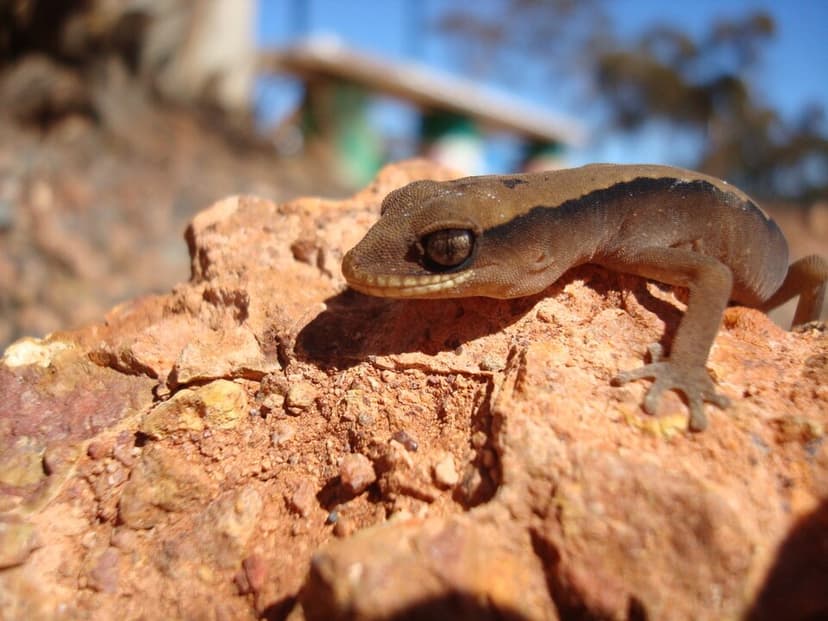
Crenadactylus ocellatus, also known as the southwestern clawless gecko, is Australia's smallest nocturnal gecko. It is endemic to the southwestern part of the country, inhabiting stony ground, Triodia-dominated deserts, leaf litter, rubbish piles, and areas beneath rocks. Its small size and ground-dwelling habits are key characteristics.

Calumma nasutum
The Calumma nasutum, commonly known as the Madagascar pimple-nose chameleon or big-nosed chameleon, is a small arboreal lizard native to Madagascar. It is distinguished by a prominent, paddle-like appendage on its nose, which is thought to aid in mate identification, particularly in males who also possess a more noticeable casque. This species inhabits dense rainforests and is primarily nocturnal, feeding on small invertebrates.

Gecko gecko
The tokay gecko is a large, nocturnal, and arboreal lizard native to Asia and some Pacific Islands. It is known for its striking blue-gray skin with red or orange spots, its strong bite, and the distinctive "tokay" call made by males. These geckos inhabit rainforests and have adapted to human habitations, often found on walls and ceilings.