
Eublepharidae
Eublepharidae·Eublepharidae
The Eublepharidae, commonly known as eyelid geckos, are a family of geckos comprising 43 species across six genera found in Asia, Africa, North America, and Central America. Distinctive for their movable eyelids, they lack the adhesive toepads common to other geckos. These geckos also possess the ability of tail autotomy, shedding their tails to distract predators, which then regenerate with altered coloration and texture.
Key Facts
- ›Eublepharidae geckos are characterized by their movable eyelids and absence of adhesive toepads.
- ›They exhibit tail autotomy, shedding their tails to escape predators.
- ›Regenerated tails typically differ in color and texture from the original.
- ›Species within this family are found across Asia, Africa, North America, and Central America.
- ›Leopard geckos and African fat-tailed geckos are well-known members of this family and popular pets.
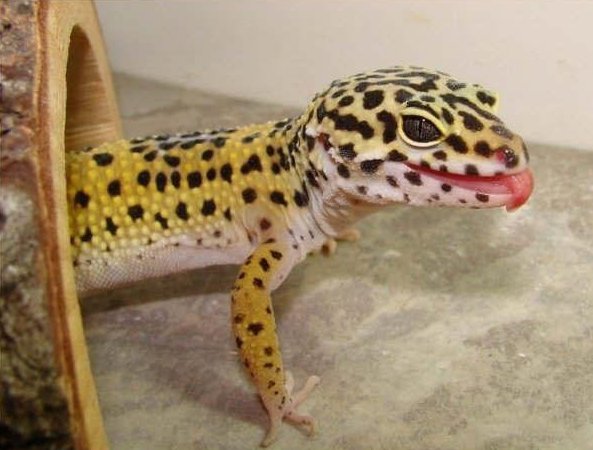
Eyelid Geckos
Asia, Africa, North America, Central America
- Lack Adhesive Toepads.
- Possess Movable Eyelids.
- Exhibit Tail Autotomy: Tails Have Fracture Planes Near the Vent For Shedding.
- Regenerated Tails Usually Lack the Original Color and Texture.
- Exhibit Tail Autotomy To Distract Predators.
- Old Tails Continue To Flex For Up To 30 Minutes After Dropping.
About Eublepharidae
Eublepharidae: The Eyelid Geckos
The Eublepharidae, commonly referred to as eyelid geckos, represent a distinct family within the broader group of geckos (Gekkota). This family encompasses 43 described species distributed across six genera, with natural populations found in Asia, Africa, North America, and Central America.
Key Characteristics
A defining feature of Eublepharidae geckos is their presence of movable eyelids, a trait that sets them apart from many other gecko species which have fused eyelids. Furthermore, unlike many of their relatives, eyelid geckos lack the specialized adhesive toepads that enable climbing on smooth surfaces. Another notable characteristic is their ability to undergo tail autotomy, a defense mechanism where they can shed their tails. These tails possess fracture planes near the vent, allowing for a clean break when threatened. The detached tail can remain mobile for a significant period, up to 30 minutes, serving to distract pursuing predators. A new tail will regenerate in its place, though it typically differs in both color and texture from the original limb.
Significance and Popularity
Several species within the Eublepharidae family have gained considerable popularity in the pet trade. The Leopard gecko (Eublepharis macularius) and the African fat-tailed gecko (Hemitheconyx caudicinctus) are among the most sought-after pet lizards due to their manageable size, docile nature, and distinctive appearances. Additionally, species from the Goniurosaurus genus are frequently encountered in the international pet market, highlighting the family's appeal to reptile enthusiasts.
Source: Wikipedia ↗
Frequently Asked Questions
What are eyelid geckos?
Eyelid geckos are members of the Eublepharidae family. They are distinguished from other geckos by their ability to move their eyelids and by the absence of adhesive toepads on their feet.
Do Eublepharidae geckos have special defense mechanisms?
Yes, Eublepharidae geckos can perform tail autotomy, which means they can detach their tails to distract predators. The detached tail can continue to move for up to 30 minutes after being dropped, further aiding in the escape.
Where are Eublepharidae geckos found?
This family of geckos has a wide geographic distribution, naturally occurring in parts of Asia, Africa, North America, and Central America.
Are any Eublepharidae geckos popular as pets?
Indeed, some species like the Leopard gecko (Eublepharis macularius) and the African fat-tailed gecko (Hemitheconyx caudicinctus) are very popular in the pet trade. Other species, such as Goniurosaurus, are also commonly found in the international pet market.