
Florida sand skink
The Florida sand skink is a small, gray to tan lizard characterized by its adaptations for an underground existence, including a wedge-shaped head and reduced limbs. It inhabits the sandy scrub habitats of Central Florida and feeds primarily on invertebrates found below the soil surface. This species is considered vulnerable due to significant habitat loss.
Key Facts
- ›Measures 10 to 13 cm (4 to 5 in) in total length.
- ›Has tiny forelegs with one toe and small hindlegs with two toes.
- ›Possesses a wedge-shaped head and small eyes with transparent lower eyelid windows.
- ›Burrows 5–10 cm (2.0–3.9 in) beneath the soil for food and shelter.
- ›Feeds on surface-dwelling invertebrates like termites and spiders.
- ›Classified as vulnerable by the IUCN due to habitat destruction.
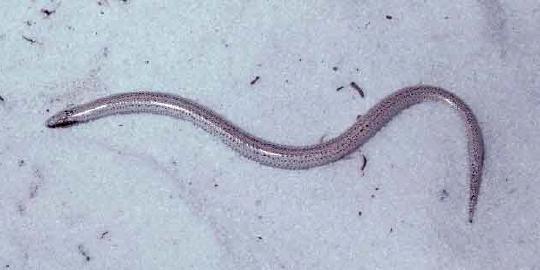
Reynolds' Sand Skink
Florida, United States
Sand Pine–Florida Rosemary Scrub, Longleaf Pine–American Turkey Oak Association, Florida Scrub Habitat, Palmetto-Pine Flatwoods Ecotone
- Measures 10 To 13 cm In Total Length.
- Gray To Tan Coloration.
- Wedge-Shaped Head.
- Partially Countersunk Lower Jaw.
- Body Grooves Into Which Forelegs Can Be Folded.
- Small Eyes With Transparent Windows In the Lower Lids.
- Tiny Forelegs With One Toe Each.
- Small Hindlegs With Two Toes Each.
- Tail Comprises About Half of the Animal's Total Length.
Surface-Dwelling Invertebrates, Termites, Spiders, Larvae of Antlions, Larvae of Beetles
- Usually Remains Underground.
- Burrows 5–10 cm Beneath the Soil To Find Food.
- Most Active In Spring During Mating Season.
Habitat Destruction, Building Developments, Citrus Plantations, Phosphate Mining, Wildfires
About Florida sand skink
The Florida sand skink (Plestiodon reynoldsi), also known as Reynolds' sand skink, is a small lizard uniquely adapted to a subterranean lifestyle. Measuring between 10 and 13 centimeters (4 to 5 inches) in total length, it exhibits a gray to tan coloration. Its most striking features are its specialized anatomy for burrowing: a wedge-shaped head, a partially countersunk lower jaw, body grooves allowing forelimbs to be tucked away, and small eyes equipped with transparent lower eyelid windows. These adaptations enable it to move efficiently through loose sand.
Habitat and Distribution
This species is endemic to Central Florida, primarily inhabiting sandy areas within sand pine–Florida rosemary scrub and longleaf pine–American turkey oak associations, including Florida scrub habitat. The Florida sand skink is particularly found in the ecotone between Florida rosemary scrub and palmetto-pine flatwoods, where sufficient moisture is retained beneath the surface litter and in the sand. Its precise distribution is challenging to ascertain due to its elusive nature, though numerous sites have been identified across ridges in Polk County and other Central Florida locations.
Diet and Behavior
The diet of the Florida sand skink consists of surface-dwelling invertebrates, such as termites, spiders, and the larvae of antlions and beetles. It typically remains underground, burrowing 5 to 10 centimeters (2.0 to 3.9 inches) beneath the soil to forage for food and find shelter. Their activity is most pronounced in the spring, which coincides with their mating season.
Reproduction and Conservation
Florida sand skinks reach sexual maturity after one to two years and remain reproductively active for a period of two to three years. Approximately 55 days after mating, the female lays about two eggs, which usually hatch in June or July. The species was classified as threatened by the United States Fish and Wildlife Service in 1987 and is currently listed as vulnerable by the IUCN. This status is largely due to ongoing habitat destruction driven by urban development, agricultural expansion for citrus plantations, phosphate mining operations, and the impact of wildfires on their specialized scrub environments.
Source: Wikipedia ↗
Frequently Asked Questions
What is the Florida sand skink?
The Florida sand skink is a species of lizard belonging to the skink family (Scincidae). It is uniquely adapted for a life spent burrowing in the sand, found exclusively in Central Florida.
What are the distinctive physical features of the Florida sand skink?
This lizard is small, typically 10 to 13 cm long, and gray to tan in color. It has a wedge-shaped head, a partially countersunk lower jaw, and greatly reduced limbs—tiny forelegs with one toe and small hindlegs with two toes—which aid its movement through sand.
What does the Florida sand skink eat?
Its diet consists mainly of surface-dwelling invertebrates. This includes prey such as termites, spiders, and the larvae of antlions and beetles.
Where does the Florida sand skink live?
The Florida sand skink is endemic to Central Florida, specifically found in areas with sand pine–Florida rosemary scrub and longleaf pine associations. Key locations include the Lake Wales Ridge and Winter Haven Ridge.
Why is the Florida sand skink considered vulnerable?
The species faces threats from ongoing habitat destruction caused by development, citrus plantations, phosphate mining, and wildfires. These factors have led to its classification as vulnerable by the IUCN.
How does the Florida sand skink move and behave?
It is adapted for an underground existence, usually remaining beneath the soil surface. The lizard burrows 5–10 cm deep to find food and shelter, utilizing its specialized body features for efficient movement through loose sand.
When do Florida sand skinks reproduce?
Their mating season is in the spring. After about 55 days, the female lays approximately two eggs, which typically hatch in June or July. They reach sexual maturity within one to two years.
Related Lizards
Sand skink
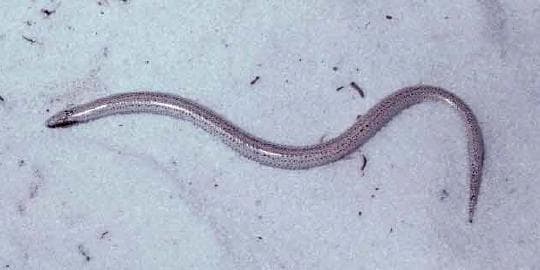
The Florida sand skink is a unique lizard adapted to an underground existence in Central Florida's scrub habitats. Measuring up to 13 cm in total length, it is characterized by its gray to tan coloration, tiny forelegs with a single toe, and small hindlegs with two toes, all adaptations for burrowing. Its diet primarily consists of invertebrates found on the surface.

Furcifer antimena
The Antimena chameleon (Furcifer antimena) is a species of chameleon endemic to southwest Madagascar. Males are distinguished by a dorsal crest of cone-shaped scales and can reach up to 34 cm, while females are smaller and fully dark green. This species typically inhabits thorny scrub in dry savannahs and is classified as Vulnerable due to habitat loss.

Furcifer campani
The jewelled chameleon, also known as Furcifer campani, is a lizard species endemic to the central highlands of Madagascar. This species is characterized by its terrestrial habitat in mountain grasslands and heathlands, and its diet primarily consists of insects. Unfortunately, Furcifer campani is currently listed as Vulnerable due to threats like bush fires and agricultural encroachment on its habitat.