
Furcifer campani
The jewelled chameleon, also known as Furcifer campani, is a lizard species endemic to the central highlands of Madagascar. This species is characterized by its terrestrial habitat in mountain grasslands and heathlands, and its diet primarily consists of insects. Unfortunately, Furcifer campani is currently listed as Vulnerable due to threats like bush fires and agricultural encroachment on its habitat.
Key Facts
- ›Endemic to the central highlands of Madagascar.
- ›Terrestrial species inhabiting mountain grass and heathland.
- ›Feeds on insects caught with a long, sticky tongue.
- ›Lays clutches of 8-12 eggs, with incubation taking approximately nine months.
- ›Listed as Vulnerable by the IUCN due to habitat loss and bush fires.

Campan's Chameleon, Madagascar Forest Chameleon
Madagascar
- Grows To A Total Length of About 14 Centimeters .
- Background Coloration Varies From Pale Green To Dark Green Or Brown.
- Features Three Pale Brown Lateral Stripes On Each Side of the Body.
- Numerous Small, Bright-Colored Spots Are Present Between the Stripes.
- the Head Is Often Adorned With Small Red Spots.
- Possesses A Crest Along Its Back Composed of Small, Projecting Granules.
Insects
- Terrestrial Species.
- Ambush Predators, Remaining Still To Wait For Prey.
- Some Reports Suggest Hibernation During Winter Months By Burying Itself In Leaves.
Bush Fires, Habitat Loss, Agricultural Production, Collection For Export
About Furcifer campani
Furcifer campani: The Jewelled Chameleon
The jewelled chameleon, scientifically known as Furcifer campani, is a distinct species of lizard native to the central highlands of Madagascar. This chameleon, also commonly called Campan's chameleon or the Madagascar forest chameleon, is a terrestrial inhabitant of mountain grasslands and heathlands, often found among shrubs and isolated trees.
Description and Habitat
Furcifer campani typically reaches a total length of about 14 centimeters. Its coloration can vary from pale to dark green or brown, distinguished by three pale brown lateral stripes running along its body and numerous small, brightly colored spots. The head often displays small red spots, and a characteristic crest of small granules adorns its back. This species is endemic to altitudes ranging from 1,850 to 2,300 meters, with its range extending across areas like the extinct volcano Ankaratra and Andringitra National Park, though its population is fragmented and only parts of this area provide suitable habitat.
Behavior and Diet
As with many chameleons, Furcifer campani is an ambush predator. It remains motionless, patiently waiting for insects to come within striking distance. Its primary method of capturing prey involves shooting out a long, sticky tongue. There are some reports suggesting that this chameleon may enter a state of hibernation during the winter months, burying itself within leaf litter.
Reproduction
The reproductive cycle of Furcifer campani involves laying clutches of eight to twelve eggs, typically concealed in safe locations. The incubation period is notably long, lasting approximately nine months when kept at a temperature of 20°C. Juvenile chameleons emerge at about 23 mm in length and are capable of reaching sexual maturity within a mere three months, growing rapidly.
Conservation Concerns
The conservation status of Furcifer campani is listed as Vulnerable. The species faces significant threats from habitat destruction, largely due to land clearing for agriculture and the recurring bush fires that impact its grassland environment. Although once exported in large numbers, such exports are now banned, but illegal collection may still occur. Protecting its remaining habitat, particularly limiting damage from fires in grassland areas, is considered crucial for its survival.
Source: Wikipedia ↗
Frequently Asked Questions
What is the scientific name for the jewelled chameleon?
The scientific name for the jewelled chameleon is Furcifer campani. It is also sometimes referred to by its older classification, Chamæleo Campani.
Where does the jewelled chameleon live?
Furcifer campani is found exclusively in the central mountainous regions of Madagascar. Its habitat includes mountain grass and heathland environments with scattered shrubs and trees, typically at altitudes between 1,850 and 2,300 meters.
What does the jewelled chameleon eat?
Like other chameleons, Furcifer campani is an ambush predator. Its diet consists primarily of insects, which it catches by rapidly extending its long, sticky tongue to capture prey that comes within reach.
How does the jewelled chameleon reproduce?
Reproduction in Furcifer campani occurs multiple times a year. Females lay clutches of eight to twelve eggs in well-hidden locations. The incubation period is lengthy, lasting about nine months, and the young are sexually mature within three months of hatching.
What are the main threats to the jeweled chameleon?
The primary threats to Furcifer campani are habitat destruction and degradation. Bush fires, which are part of an annual cycle, and land clearing for agricultural production significantly reduce the available habitat for this species.
What is the conservation status of Furcifer campani?
The jewelled chameleon is classified as Vulnerable on the IUCN Red List of Threatened Species. This status reflects the significant pressures on its habitat and the fragmented nature of its populations.
Related Lizards

Pogona minor
Pogona minor, commonly known as the western bearded dragon, is a species of agamid lizard native to the southwest coast and interior of Western Australia. This species is characterized by its chameleon-like coloration, which aids in camouflage or can be used for display during social interactions. It is distinguished from similar species by its smaller head and the arrangement of spines on its underside and neck.
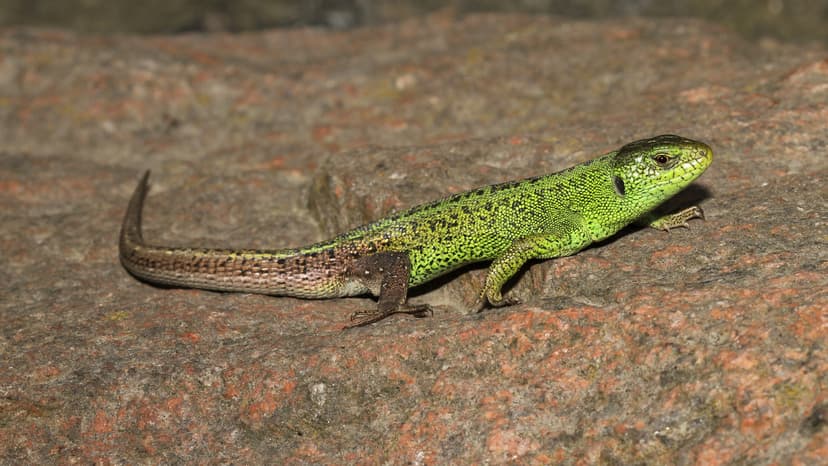
Sand lizard
The sand lizard (Lacerta agilis) is a sexually dimorphic lacertid lizard found across much of Europe and into Russia. Males are known for their vibrant green coloration during the mating season and aggressive territorial behavior, while females are typically a more subdued brown or grey. They inhabit dry, open areas and rely on warm sand for thermoregulation and egg incubation, facing threats from habitat loss and degradation.
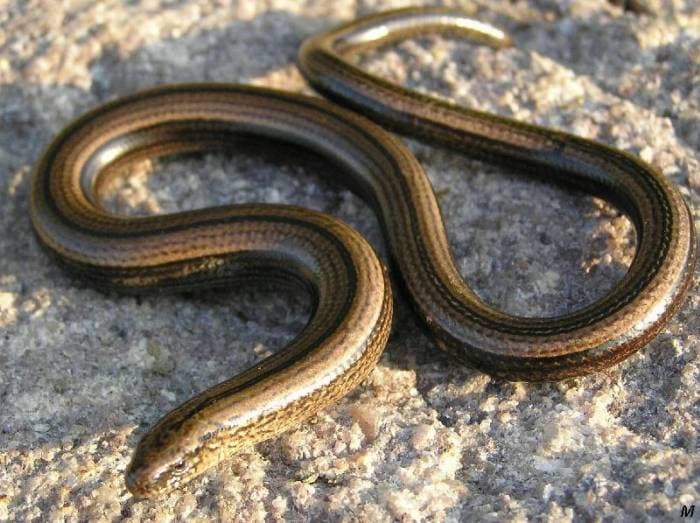
Anguis
Anguis, commonly known as slow worms, are a genus of legless lizards that are often mistaken for snakes. They are characterized by their grey-brown coloration, with females often exhibiting a coppery sheen and males displaying blue spots, especially during breeding season. These lizards inhabit a variety of warm, protected environments across Europe and parts of Asia, feeding primarily on invertebrates.