
Leposternon polystegum
The Bahia worm lizard (Leposternon polystegum) is a species of amphisbaenian endemic to Brazil. It is characterized by sexual dimorphism, with males exhibiting larger and longer bodies than females. Its diet primarily consists of ants, earthworms, and termites.
Key Facts
- ›Endemic to Brazil.
- ›Belongs to the family Amphisbaenidae.
- ›Exhibits sexual dimorphism, with males being larger than females.
- ›Feeds on ants, earthworms, and termites.
- ›Also known as the Bahia worm lizard.

Bahia Worm Lizard
Brazil
- Males Have Larger, Longer Bodies Than Females.
Ants, Earthworms, Termites
About Leposternon polystegum
Leposternon polystegum: The Bahia Worm Lizard
The Bahia worm lizard, scientifically known as Leposternon polystegum, is a distinct species within the Amphisbaenidae family. This creature is native and unique to Brazil, making its geographic range quite specific.
Key Characteristics
A notable feature of Leposternon polystegum is its sexual dimorphism. This means there are observable physical differences between males and females. Specifically, the males of the species possess larger and longer bodies when compared to their female counterparts.
Diet and Habitat
The dietary habits of the Bahia worm lizard are primarily focused on invertebrates found within its environment. Its diet generally consists of ants, earthworms, and termites. Information regarding its specific habitat preferences within Brazil is not detailed in available records.
Source: Wikipedia ↗
Frequently Asked Questions
What is the scientific name for the Bahia worm lizard?
The scientific name for the Bahia worm lizard is Leposternon polystegum.
Where is the Bahia worm lizard found?
The Bahia worm lizard is endemic to Brazil, meaning it is naturally found only in this region.
Does the Bahia worm lizard show differences between males and females?
Yes, the Bahia worm lizard demonstrates sexual dimorphism. Males have larger and longer bodies compared to females of the species.
What does the Bahia worm lizard eat?
The diet of the Bahia worm lizard generally consists of ants, earthworms, and termites.
Related Lizards

Algerian sand racer
The Algerian sand racer, scientifically known as Psammodromus algirus, is a lizard species found in southwestern Europe and northwestern Africa. It typically inhabits dense bushy vegetation and can be found at high elevations, though it is more common at lower altitudes. This species is characterized by its metallic brownish dorsal coloration with conspicuous white or yellowish stripes.
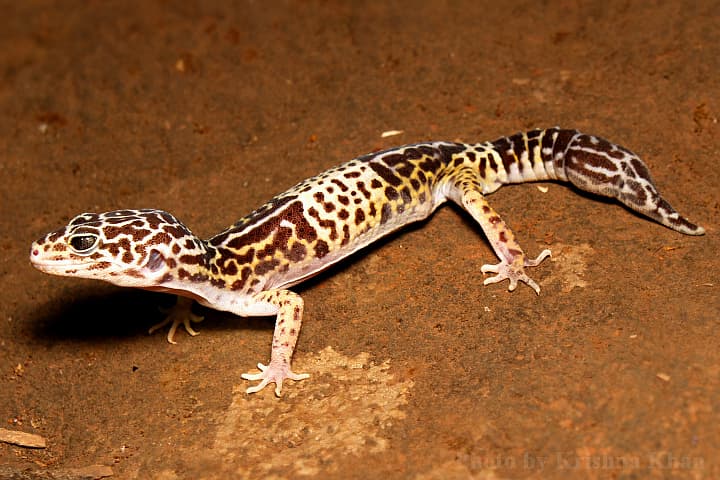
Eublepharis fuscus
The West Indian leopard gecko (Eublepharis fuscus) is a robust gecko species found in western India and potentially extending into southeastern Pakistan. Known for its dusky coloration, it inhabits forested hill tracts, scrub, and rocky areas. This nocturnal, terrestrial lizard primarily preys on scorpions and other arthropods.
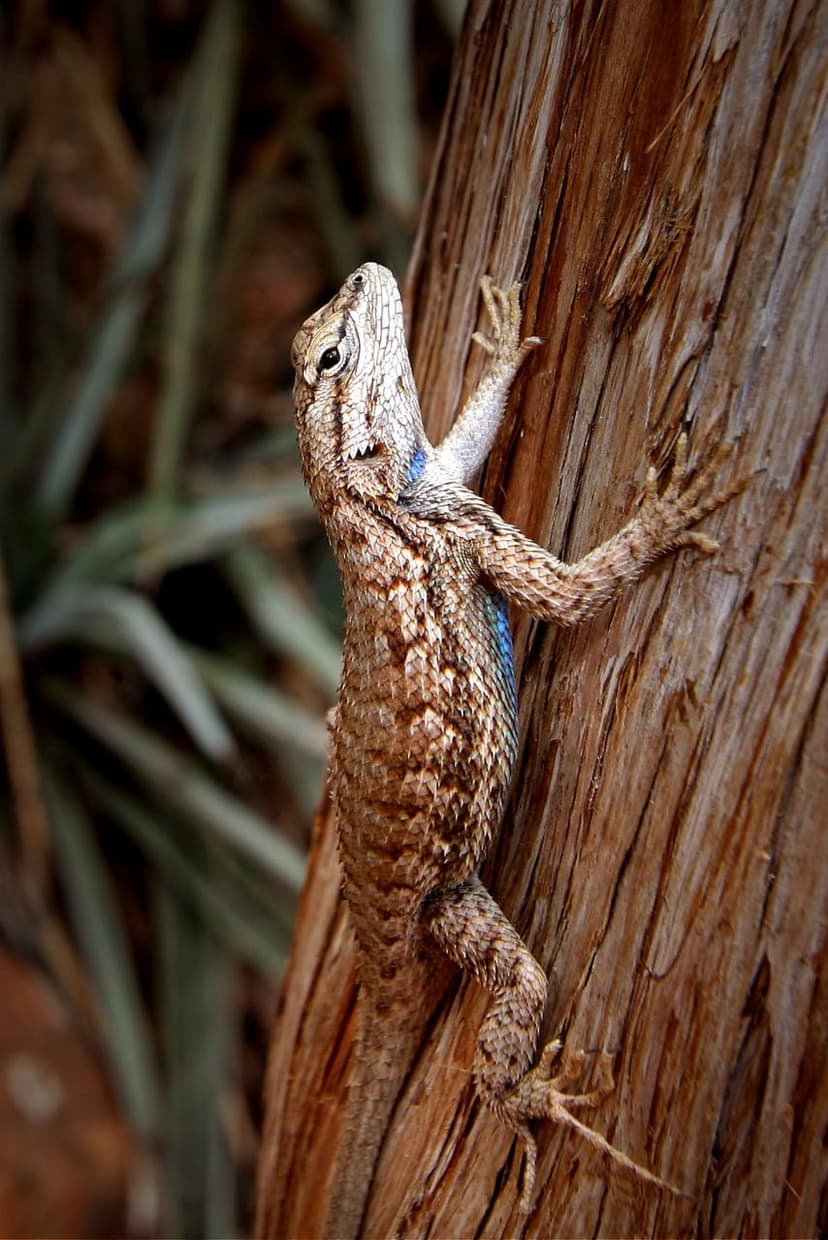
Plateau fence lizard
The plateau fence lizard (Sceloporus tristichus) is a spiny lizard found in the rocky and wooded areas of central Arizona, southwestern Utah, western Colorado, and parts of New Mexico and Wyoming. This grayish, brownish, or greenish reptile is characterized by keeled scales, dark cross-bands on its back, and distinctive metallic blue patches on its belly and throat. It is known to be inactive during extreme temperatures and primarily feeds on insects and other arthropods.