
Lerista labialis
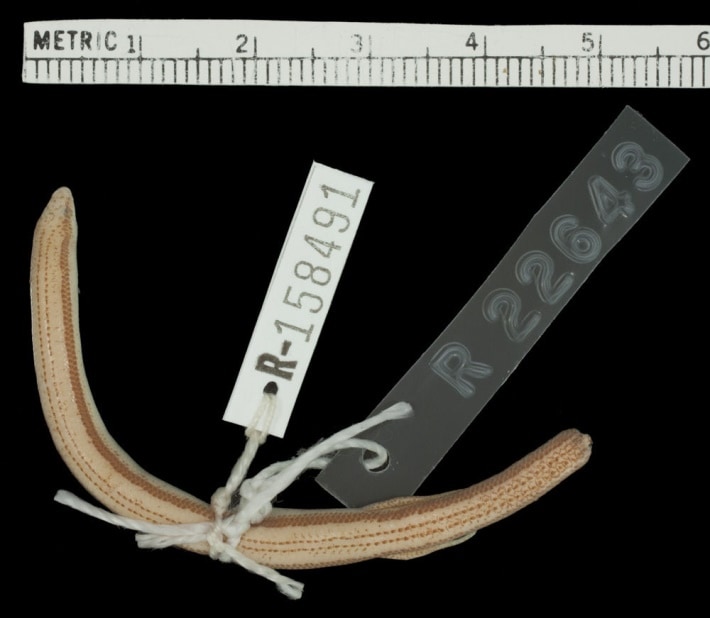
The southern sandslider (Lerista labialis) is a small, snake-like skink endemic to Australia, commonly found in sandy termite mounds. Characterized by its red to brown coloration and reduced limbs, it is a fossorial, nocturnal species that primarily feeds on termites. Its habitat in sandy deserts with sparse vegetation provides essential thermoregulation and protection from predators.
Key Facts
- ›Snake-like body with reduced forelimbs and small hind limbs.
- ›Primarily inhabits sandy termite mounds in Australian deserts.
- ›Nocturnal and fossorial, burrowing through loose sand.
- ›Diet consists of at least 78% termites, supplemented by other invertebrates.
- ›Breeds in summer, laying an average of 2 shelled eggs.
- ›Considered 'least concerned' with no major current threats.
Southern Sandslider
Australia, Western Australia, Northern Territory, Western Queensland, New South Wales
Desert Plains, Sandy Termite Mounds, Dune Crests, Sandy Areas
- Small Skink With A Snake-Like Body and Tail.
- Red To Brown In Colour With A Darker Brown Lateral Line.
- No Forelimbs, Hind Limbs Are Small.
- One Supraocular Scale Between the Eyes.
- No Supraciliaries.
- Adult Females Are Larger Than Adult Males.
- Females: 38-60 mm Snout-To-Vent Length.
- Males: 37-55 mm Snout-To-Vent Length.
Termites, Invertebrates, Sand
- Fossorial
- Nocturnal
- Terrestrial
- Swims Through Loose Sand
- Forages Below Ground Surface
- Forages Late At Night To Early Morning
- Ingests Sand To Aid Digestion
- Seeks Refuge In Termite Mounds For Safety and Thermoregulation
Simoselaps Fasciolatus, Eremiascincus Fasciolatus
About Lerista labialis
The Southern Sandslider (Lerista labialis)
The southern sandslider, scientifically known as Lerista labialis, is a species of skink endemic to Australia, belonging to the family Scincidae. This small, snake-like lizard is characterized by its red to brown coloration and a distinctive lack of forelimbs, with only small hind limbs present. It is most commonly found inhabiting sandy termite mounds across the desert plains of Western Australia, the Northern Territory, Western Queensland, and New South Wales.
Ecology and Behavior
Lerista labialis is a fossorial and nocturnal species, meaning it spends much of its life burrowing and is primarily active at night. It navigates its sandy environment by 'swimming' through loose sand, often within the protective confines of termite mounds. These mounds provide essential refuge from harsh environmental conditions and surface-active predators, as well as aiding in thermoregulation. The species has a narrow preferred body temperature range between 21–36 °C, and the sandy habitat helps it maintain these optimal temperatures.
Diet and Reproduction
The diet of the southern sandslider consists predominantly of termites, which make up at least 78% of their intake. They supplement this with other invertebrates such as those from the orders Hemiptera and Neuroptera. Foraging occurs both on the surface and just below it, typically from late night into the early morning. Interestingly, they also ingest sand, which aids in their digestion. Water is obtained entirely through their food, negating the need for drinking. Reproduction occurs during the summer months, with females laying an average of two shelled eggs between November and February. The determination of an individual's sex requires internal examination.
Conservation and Distribution
The southern sandslider is widespread across the Australian continent and is not currently facing significant threats, leading to its classification as 'Least Concern' by conservation assessments. Its primary predators include the snake Simoselaps fasciolatus and the skink Eremiascincus fasciolatus. The species' abundance can be influenced by rainfall, which affects the availability of Spinifex plants, the food source for termites, thereby impacting the southern sandslider's primary prey population.
Source: Wikipedia ↗
Frequently Asked Questions
What is the scientific name for the southern sandslider?
The scientific name for the southern sandslider is Lerista labialis. It is also known by several synonyms, including Gaia labialis and Gaia rolloi, reflecting different taxonomic classifications over time.
Where are southern sandsliders found?
Southern sandsliders are found across the desert plains of Western Australia, the Northern Territory, Western Queensland, and New South Wales. They are most commonly encountered within sandy termite mounds and dune crests.
What does the southern sandslider eat?
The diet of the southern sandslider is predominantly termites, making up at least 78% of their intake. They also consume other invertebrates and ingest sand to aid digestion. They obtain water and hydration directly from their food.
How does the southern sandslider reproduce?
Southern sandsliders breed during the summer months, though other Lerista species may breed in winter. They lay shelled eggs between November and February, with an average clutch size of two. Sex determination requires internal examination.
What are the main predators of the southern sandslider?
The primary predators of the southern sandslider are the snake Simoselaps fasciolatus and the skink Eremiascincus fasciolatus. They seek refuge in dunes to escape these and other surface-active predators.
Is the southern sandslider endangered?
No, the southern sandslider is not considered endangered. Its protection status is listed as 'least concerned,' and there are currently no major threats identified for the species.
Related Lizards

Be'er Sheva fringe-fingered lizard
The Be'er Sheva fringe-fingered lizard is a critically endangered lizard endemic to the loess scrublands of the Negev desert in Israel. Characterized by its changing tail color from bright blue at birth to brownish-gray in adulthood, this species faces significant population decline due to habitat destruction and an ecological trap created by conservation efforts. Its small, fragmented populations are vulnerable to predation and human-induced environmental changes.

Blainville's horned lizard
Blainville's horned lizard, also known as the San Diego horned lizard, is a flat-bodied lizard native to Southern California and northern Baja California, Mexico. Characterized by its distinctive spiky horns on its head and body, it typically inhabits sandy areas with low vegetation near ant hills. This species plays a crucial role in its ecosystem, primarily feeding on ants, and exhibits a unique defense mechanism of squirting blood from its eyes.

Phrynosoma blainvilli
The San Diego horned lizard, also known as Blainville's horned lizard (Phrynosoma blainvillii), is a flat-bodied reptile characterized by prominent spiky horns on its head and smaller spikes along its body. Found in southern California and northern Baja California, it inhabits sandy areas with low vegetation, often near ant hills. This species is known for its camouflage, defensive hissing and biting, and the unique ability to shoot blood from its eyes.