
Be'er Sheva fringe-fingered lizard
The Be'er Sheva fringe-fingered lizard is a critically endangered lizard endemic to the loess scrublands of the Negev desert in Israel. Characterized by its changing tail color from bright blue at birth to brownish-gray in adulthood, this species faces significant population decline due to habitat destruction and an ecological trap created by conservation efforts. Its small, fragmented populations are vulnerable to predation and human-induced environmental changes.
Key Facts
- ›Endemic to the loess scrublands of the Negev desert in Israel.
- ›Hatchlings possess a bright blue tail, which turns brownish-gray with adulthood.
- ›Considered critically endangered due to severe population decline.
- ›Diet shifts based on predation pressure, favoring smaller prey and less plant material when threatened.
- ›Habitat degradation from agriculture, urbanization, and grazing animals is a major threat.
- ›Conservation efforts involving tree planting inadvertently increased avian predators.

Be'Er Sheva Fringe-Fingered Lizard
Israel
Loess Scrublands, Tropical Dry Shrubland, Desert Plains
- Adults Range From 17 To 20 cm , Though They Can Grow Larger.
- Hatchlings Have A Bright Blue Tail and Dark and Yellowish Stripes On the Body.
- After A Few Weeks, the Tail Becomes Brownish-Gray, and the Body Coloration Turns Blotchy and Sand-Gray.
- the Coloration Pattern Is Shared With the Acanthodactylus Pardalis Group.
- Smaller Prey
- Plant Material
- Diverse Range of Food When Under Predatory Pressure
- Tail Color Change Is Associated With Behavioral Changes, Such As In Foraging Movements.
- May Use Colorful Tail As An Anti-Predator Mechanism In Early Life.
- Becomes Less Vulnerable To Predators After Tail Color Change.
- Moves Less and Catches Smaller Prey Under Greater Threat.
- Less Selective About Food When Under Predatory Pressure.
Birds
Habitat Destruction, Habitat Degradation, Intensive Agriculture, Urbanization, Grazing Animals, Increased Avian Predators
About Be'er Sheva fringe-fingered lizard
The Be'er Sheva fringe-fingered lizard (Acanthodactylus beershebensis) is a species of lizard belonging to the family Lacertidae and the genus Acanthodactylus. It is distinguished by its unique tail coloration that changes from a bright blue in hatchlings to a brownish-gray in adulthood. This adaptation, along with its striped body pattern, is thought to serve as an anti-predator mechanism.
Habitat and Distribution
This species is endemic to the loess scrublands of the Negev desert in south-central Israel. It primarily inhabits the loess plains of the northern Negev desert, an area characterized by a structurally simple environment with few perches. The limited available habitat is less than 10 km² in size, and the lizard is randomly distributed within this range.
Diet and Behavior
The diet of the Be'er Sheva fringe-fingered lizard is influenced by predation. When under significant threat, the lizard reduces its movement and focuses on catching smaller prey and consuming less plant material. It becomes less selective in its food choices, opting for a more diverse range of items that require less time to acquire.
Conservation Status and Threats
The Be'er Sheva fringe-fingered lizard is classified as critically endangered due to a severe population decline, with estimates suggesting an 80% reduction over the last three generations. The primary drivers of this decline are habitat destruction and degradation caused by intensive agriculture, urbanization, and grazing animals. Ironically, conservation efforts that involved planting trees to preserve habitat have inadvertently increased the population of avian predators, such as falcons and egrets, further endangering the lizard.
Reproduction
Like other species in the Acanthodactylus genus, A. beershebensis is oviparous, laying between three to seven eggs per clutch. Hatchlings emerge around the end of May. The lifespan of the Be'er Sheva fringe-fingered lizard is notably short, often less than a year.
Source: Wikipedia ↗
Frequently Asked Questions
What is the Be'er Sheva fringe-fingered lizard?
The Be'er Sheva fringe-fingered lizard is a species of lizard belonging to the genus Acanthodactylus. It is known for its unique tail coloration changes and is native to the Negev desert in Israel.
What are the distinctive physical features of this lizard?
Hatchlings of the Be'er Sheva fringe-fingered lizard have a bright blue tail. This tail color changes to brownish-gray within a few weeks of birth, and the body develops a blotchy, sand-gray coloration for camouflage.
Why is the Be'er Sheva fringe-fingered lizard considered critically endangered?
The species has experienced a serious population decline, estimated at an 80% drop over the last three generations. This is primarily due to habitat destruction and degradation caused by human activities.
What are the main threats to the Be'er Sheva fringe-fingered lizard?
Major threats include habitat destruction from intensive agriculture, urbanization, and grazing animals. Additionally, conservation efforts that increased perches for birds have led to increased predation.
What does the Be'er Sheva fringe-fingered lizard eat?
Its diet is influenced by predation. When under pressure, it consumes smaller prey and less plant material, becoming less selective and eating a more diverse range of food.
Where is the Be'er Sheva fringe-fingered lizard found?
This lizard is endemic to the loess scrublands of the Negev desert in south-central Israel, specifically in the loess plains of the northern Negev desert.
Related Lizards
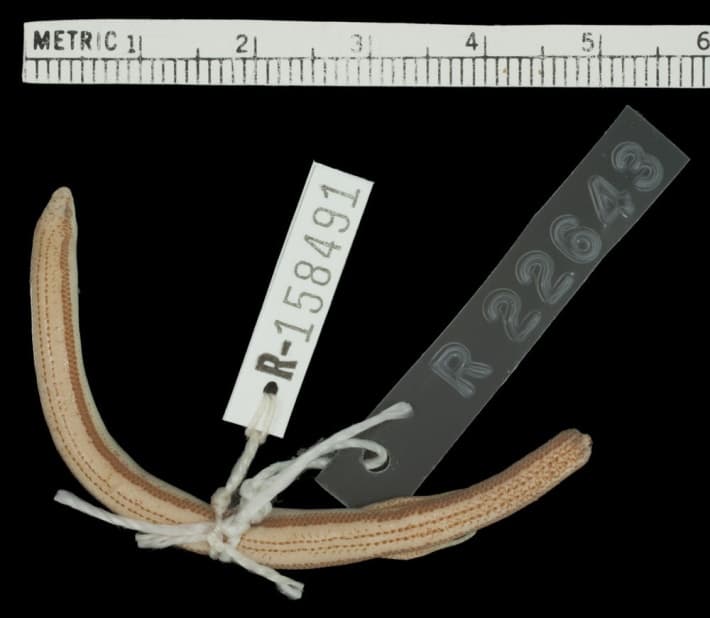
Lerista labialis
The southern sandslider (Lerista labialis) is a small, snake-like skink endemic to Australia, commonly found in sandy termite mounds. Characterized by its red to brown coloration and reduced limbs, it is a fossorial, nocturnal species that primarily feeds on termites. Its habitat in sandy deserts with sparse vegetation provides essential thermoregulation and protection from predators.

Latast's snake skink
Lataste's snake skink, scientifically known as Ophiomorus latastii, is a limbless lizard native to the Near East. This species inhabits dry shrubland and Mediterranean-type vegetation. Its most distinctive physical feature is its complete lack of limbs, giving it a snake-like appearance.

Iguana delicatissima
The Lesser Antillean iguana (Iguana delicatissima) is a large, arboreal lizard native to the Lesser Antilles, distinguished by its blocky face and lack of a striped tail pattern found in its close relative, the green iguana. This herbivorous species is critically endangered, facing severe threats from habitat destruction, introduced predators, hunting, and hybridization. Efforts to breed them in captivity have faced challenges with egg fertility, though some successes have been achieved.