
Paroedura tanjaka
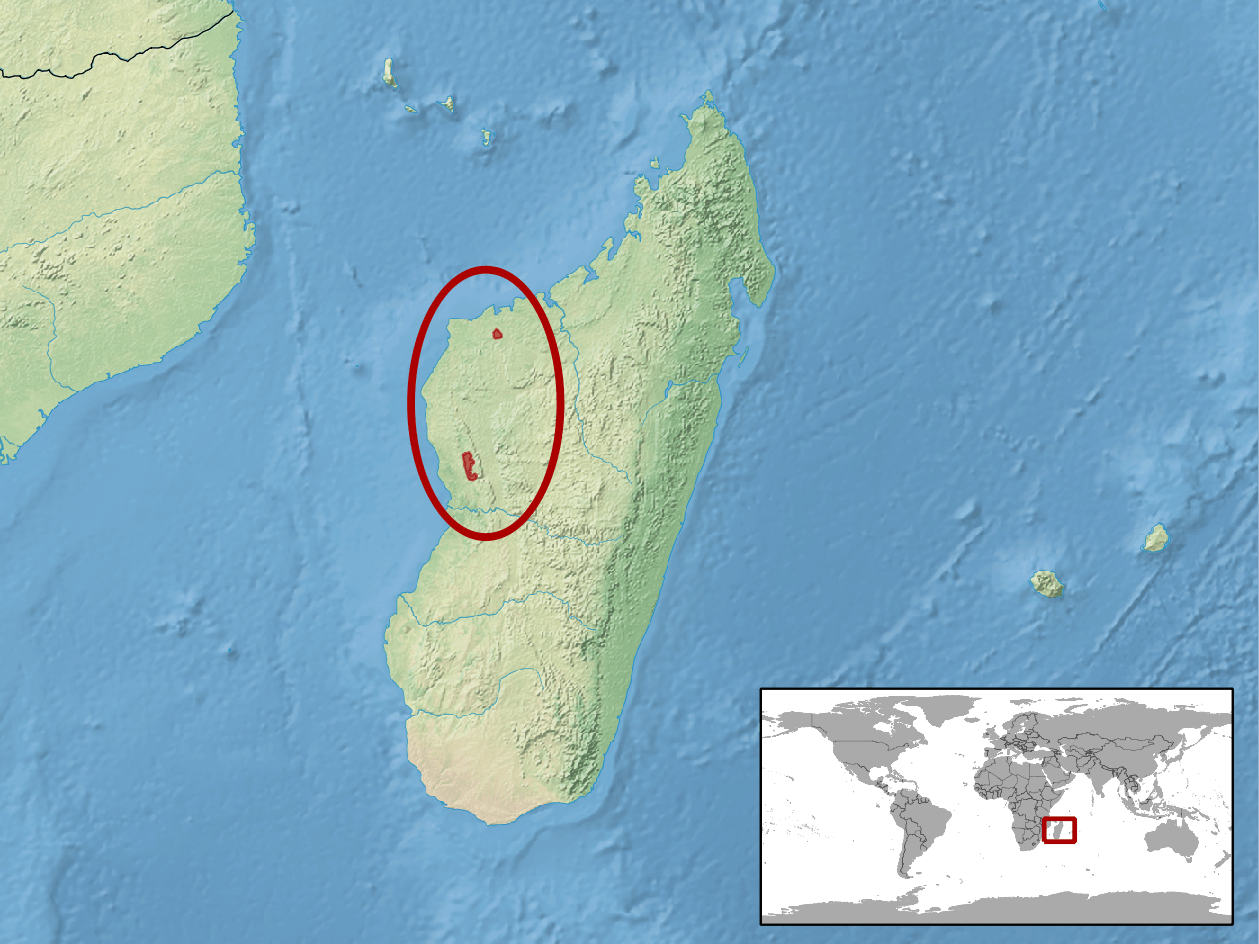
Paroedura tanjaka, also known as the "strong" Malagasy gecko, is a large species of gecko endemic to northwestern Madagascar. This nocturnal lizard inhabits karstic dry forests and is known to shelter in caves during the day, where it may also hunt and mate. Due to its limited range and declining habitat, it is classified as Endangered.
Key Facts
- ›Endemic to northwestern Madagascar, specifically in Bemaraha and Namoroka.
- ›Nocturnal, active in dry forests at night and found in caves during the day.
- ›One of the largest species in the genus Paroedura, reaching up to 18 cm in total length.
- ›Insectivorous, preying on small arthropods found in its forest and cave habitats.
- ›Listed as Endangered by the IUCN due to its limited range and habitat decline.
Malagasy "Strong" Gecko
Madagascar
Karstic Dry Forests, Caves
- Among the Largest Paroedura Species, Reaching A Snout-Vent Length of Up To 10.2 cm and A Total Length of 18 cm.
- Head Is Wider Than the Neck, With A Concave Canthal Bridge and Steeply Sloped Snout.
- Dorsal Surface Features Enlarged, Tuberculate Scales Not Arranged In Clear Rows, Separated By Smaller Tubercles and Flat Scales.
- Tail Is Not Spiny, Unlike In Some Related Species.
- Digits End With Widened Toe Pads, More Than Twice the Width of the Digit.
- Head Is Immaculate Tan, Bordered Posterolaterally By Light Lines.
- Dorsolateral Surface Has Grayish Background Colors With Irregular Brown Spots and Bands, Extending To the Tail.
- Regenerated Tails Have Faded Bands.
- Juveniles Have Three Distinct Light Crossbands On the Torso and Black To Brown Dorsal Colors.
Small Arthropods, Troglobitic Invertebrates, Moths
- Nocturnal Activity.
- Terrestrial But Capable of Climbing.
- Dwells In Caves During the Day, Away From Entrances.
- Hunts and Mates Within Caves During the Day.
- Uses Cave Darkness For Extended Activity and Predator Avoidance.
Snakes, Birds, Mammals
Habitat Decline, Increased Fire Intensity, Logging
About Paroedura tanjaka
Paroedura tanjaka is a species of lizard belonging to the Gekkonidae family, endemic to the island nation of Madagascar. This nocturnal gecko is primarily found in the karstic dry forests of northwestern Madagascar, specifically within the Bemaraha and Namoroka regions. It is known for its habit of sheltering in caves during daylight hours, a behavior that may extend its active period and provide refuge from predators.
Key Characteristics and Habitat
This species is recognized as one of the larger members of the genus Paroedura, with adult individuals reaching a total length of up to 18 centimeters. Its physical description includes enlarged tuberculate scales on its dorsal surface, widened toe pads aiding in climbing, and a tail that is not spiny. The coloration varies, with adults displaying grayish backgrounds marked by irregular brown spots and bands, while juveniles exhibit distinct light crossbands on their torsos.
Paroedura tanjaka inhabits deciduous dry forests characterized by limestone outcrops, typically at elevations between 100 and 500 meters. During the day, it seeks the darkness of karst caves, where it has been observed to hunt and even mate, suggesting the caves offer a stable environment for these activities.
Diet and Behavior
As an insectivore, Paroedura tanjaka preys on small arthropods found in its forest habitat. Its diet also likely includes troglobitic invertebrates and resting nocturnal species found within the caves it occupies during the day. Its nocturnal nature means it is most active during the night, foraging in the dry forests.
Conservation Status
Due to a restricted geographic range, estimated at less than 964 km², and the ongoing degradation of its habitat, Paroedura tanjaka is classified as Endangered on the IUCN Red List. Threats to its population include increased fire intensity and logging, which directly impact its forest environment. While specific conservation measures for the species are not in place, its known locations have been designated as national parks, offering a degree of protection.
Source: Wikipedia ↗
Frequently Asked Questions
Where does Paroedura tanjaka live?
Paroedura tanjaka is found exclusively in northwestern Madagascar. Its known locations are within the Tsingy de Bemaraha and Tsingy de Namoroka protected areas, inhabiting dry forests with limestone outcrops.
What does Paroedura tanjaka eat?
This species is insectivorous, primarily feeding on small arthropods. It hunts in the karstic forests at night and is also believed to hunt invertebrates within caves during the day.
What are the predators of Paroedura tanjaka?
Snakes are known predators of Paroedura tanjaka, with one specimen found inside a Lycodryas gaimardi. Other potential predators include birds and mammals.
Why is Paroedura tanjaka considered Endangered?
Paroedura tanjaka is listed as Endangered due to its extremely limited geographic range and the ongoing decline of its habitat. Threats include increased fire intensity and logging in its forest environment.
What are the physical characteristics of Paroedura tanjaka?
Paroedura tanjaka is a large gecko, reaching up to 18 cm in total length. It has enlarged tuberculate scales on its dorsal surface, widened toe pads, and its tail is not spiny. Adults have grayish dorsal colors with irregular brown spots and bands, while juveniles display distinct light crossbands.
How does Paroedura tanjaka behave during the day?
During the day, Paroedura tanjaka seeks refuge in karst caves. It is known to actively hunt and even mate within these caves, likely using the darkness to avoid predators and activity from the daytime heat.
Related Lizards

Hemidactylus turcicus
The Mediterranean house gecko (Hemidactylus turcicus) is a small, nocturnal lizard native to the Mediterranean region, now widespread globally due to human introduction. It is characterized by its large, lidless eyes, sticky toe pads, and distinctive purple or tan skin with dark spots. This insectivorous species thrives in human-modified environments and is often found in cracks of buildings.
Mediterranean gecko
The Mediterranean house gecko, also known as the Turkish gecko or moon lizard, is a small reptile native to the Mediterranean region that has successfully spread across the globe. It is characterized by its large, lidless eyes, sticky toe pads, and distinctive purple or tan skin with black spots. Primarily nocturnal and insectivorous, it thrives in human-modified environments, often taking shelter in buildings.
Mediterranean house gecko
The Mediterranean house gecko, also known as the Turkish gecko or moon lizard, is a small, nocturnal lizard native to the Mediterranean region. It is characterized by its sticky toe pads, large, lidless eyes with vertical pupils, and distinctive patterned skin. Having spread globally, it often thrives in human-modified environments due to its resistance to pesticides and lack of predators.