
Gekkonidae
Gekkonidae·Gekkonidae
Gekkonidae, commonly known as the largest family of geckos, encompasses over 950 described species distributed globally, with a notable diversity in tropical regions. Many species within this family are renowned for their remarkable ability to adhere to surfaces using specialized foot structures called setae. This family includes well-known geckos such as house geckos, tokay geckos, and day geckos, contributing significantly to the gecko population worldwide.
Key Facts
- ›Gekkonidae is the largest family of geckos, with over 950 described species.
- ›These geckos are found globally, particularly abundant in tropical areas.
- ›Many species possess adhesive abilities due to intermolecular forces from their setae (foot hair).
- ›The genus Hemidactylus is one of the most widespread and species-rich reptile genera.
- ›Fossil evidence suggests gecko ancestors existed during the Jurassic period.
- ›Yantarogekko balticus is the earliest known gekkonid gecko, dating back to the Eocene epoch.
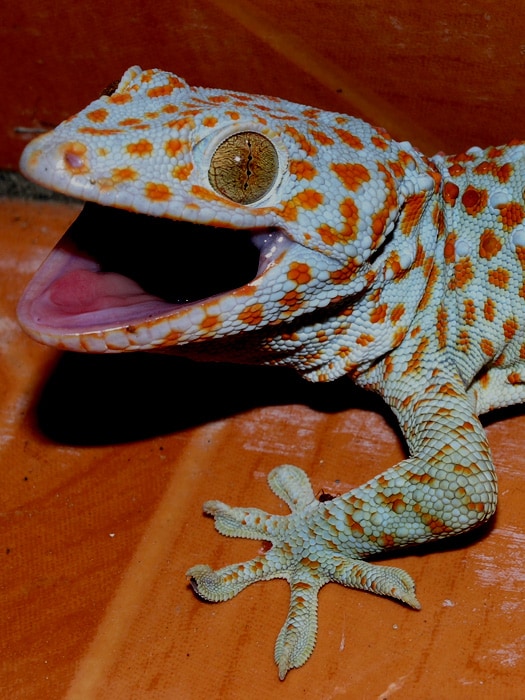
Common Geckos
Globally In Warm Regions, Tropical Areas, Subtropical Areas
- Possess Specialized Foot Structures Called Setae On Their Feet.
- Setae Utilize Van Der Waals Forces For Surface Adhesion.
- Some Fossil Species, Like Yantarogekko Balticus, Had Enlarged, Undivided Scansorial Pads and A Reduced But Strongly Clawed First Digit.
- Fossil Species Like Yantarogekko Balticus Lacked Movable Eyelids.
Exhibit Adhering Ability To Surfaces.
About Gekkonidae
Gekkonidae: The Common Geckos
The family Gekkonidae, commonly referred to as the common geckos, represents the largest and most diverse group within the gecko suborder. With over 950 described species distributed across 62 genera, Gekkonidae is a globally distributed family, demonstrating particular richness and variety in tropical regions. This family includes many of the most familiar and widespread gecko species, such as the house geckos (Hemidactylus), the tokay gecko (Gekko), day geckos (Phelsuma), the mourning gecko (Lepidodactylus), and dtellas (Gehyra).
Unique Adaptations and Evolutionary History
A defining characteristic of many Gekkonidae species is their remarkable ability to adhere to various surfaces. This adhesion is facilitated by specialized microscopic hairs on their feet called setae, which engage in intermolecular forces (Van der Waals forces) with the surface molecules. The evolutionary history of Gekkonidae extends back to the Jurassic period, with fossil evidence suggesting the infraorder Gekkota emerged during this time. Ancestral forms like Eichstaettisaurus schroederi displayed early climbing adaptations. More definitive members of Gekkota, potentially within Gekkonidae, such as Hoburogekko suchanovi and Gobekko cretacicus, date to the Cretaceous period. The earliest recognized member of the Gekkonidae family is Yantarogekko balticus, found in Eocene-aged Baltic amber, which possessed distinct morphological traits like enlarged adhesive pads and a reduced clawed first digit, indicative of adhesive capabilities.
Global Distribution and Diversity
Gekkonidae species inhabit virtually every warm region on Earth. While many genera are widely distributed, some exhibit endemicity, such as Afroedura and Afrogecko, which are found exclusively in Africa. The genus Lepidodactylus showcases a range stretching from South Asia to Oceania, encompassing numerous island species. The genus Hemidactylus, in particular, is one of the most species-rich and widely distributed reptile genera globally, found in all subtropical areas.
Notable Genera and Fossil Record
While the family encompasses numerous genera, some are highlighted for their distribution and diversity. The fossil record provides crucial insights into the family's ancient lineage. The genus †Yantarogekko is a noteworthy fossil genus within the family. The molecular phylogenetic studies by Pyron et al. (2013) have further illuminated the relationships among Gekkonidae genera, refining our understanding of their evolutionary pathways.
Source: Wikipedia ↗
Frequently Asked Questions
What makes Gekkonidae the largest family of geckos?
Gekkonidae holds the title of the largest gecko family due to its extensive number of described species, exceeding 950. This vast diversity contributes to their widespread presence and ecological significance across various habitats.
Where are Gekkonidae geckos typically found?
Gekkonid geckos are found across all warm regions of the globe. They are particularly diverse and abundant in tropical areas, with some genera, like Hemidactylus, being present in almost all subtropical zones worldwide.
How do geckos in the Gekkonidae family stick to surfaces?
Many Gekkonidae species exhibit an extraordinary adhering ability to surfaces. This is achieved through Van der Waals forces, which are intermolecular forces acting between the molecules of their specialized foot hairs (setae) and the molecules of the surface they are on.
Are there endemic species within the Gekkonidae family?
Yes, while many genera are widespread, numerous genera within the Gekkonidae family are endemic to specific regions. For instance, Afroedura and Afrogecko are found exclusively in Africa, and the genus Lepidodactylus spans from South Asia to Oceania.
What is the oldest known member of the Gekkonidae family?
The earliest known gekkonid gecko is Yantarogekko balticus, discovered in Baltic amber from the Eocene epoch. This ancient species displayed morphological traits, such as enlarged adhesive pads and a reduced first digit with a claw, indicative of climbing abilities and potential adhesive properties similar to modern geckos.
Can Gekkonidae geckos be considered invasive?
Yes, some genera within the Gekkonidae family are capable of widespread geographical habitation and can be considered invasive in certain areas. The genus Hemidactylus, for example, is found in all subtropical areas globally, highlighting its adaptability and dispersal capabilities.
Related Lizards
Anguidae
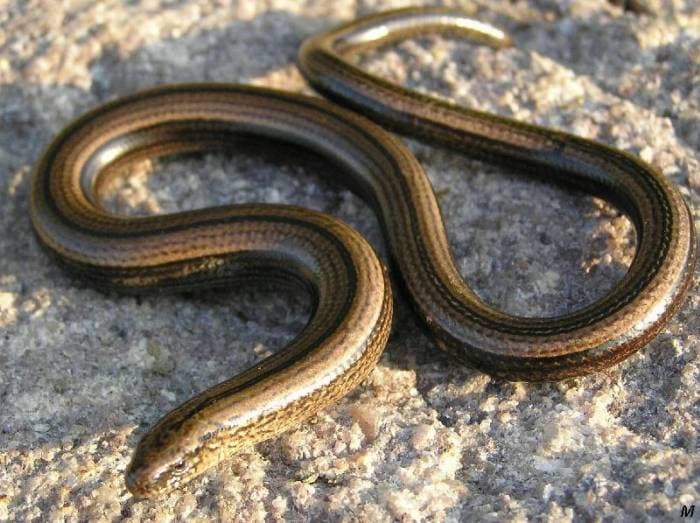
Anguidae is a large and diverse family of lizards found across the Northern Hemisphere. They are characterized by osteoderms beneath their scales, often a lateral skin fold, and reduced or absent limbs in the Anguinae subfamily, giving them a snake-like appearance. This family includes slow worms, glass lizards, and alligator lizards, inhabiting a wide range of environments from arid to tropical.

Iguana iguana
The green iguana (Iguana iguana) is a large, arboreal lizard native to South America, Central America, and the Caribbean. Primarily herbivorous, these striking reptiles are known for their distinctive dorsal spines, prehensile tails, and dewlaps used for thermoregulation and display. They are popular in the pet trade but can be challenging to care for due to specialized environmental needs.

Indo-Pacific gecko
The Indo-Pacific gecko, also known as Garnot's house gecko or fox gecko, is a medium-sized gecko native to South and Southeast Asia, Polynesia, and the east coast of Australia. It is distinguished by its ability to change skin color for camouflage and by rows of large, spiny scales along the sides of its tail. This parthenogenic species reproduces without male fertilization and is found in various habitats, often near human settlements.