
Phrynocephalus
Phrynocephalus·Agamidae
Phrynocephalus, commonly known as toadhead agamas, are a genus of small to medium-sized lizards inhabiting arid and semi-arid regions of Asia and Eastern Europe. These lizards are characterized by their adaptive "sit and wait" hunting strategy and reliance on visual cues for prey detection. The taxonomy of this genus is complex, with ongoing debates regarding the phylogeny of its numerous species.
Key Facts
- ›Inhabit open arid and semiarid environments.
- ›Employs a "sit and wait" hunting strategy.
- ›Actively uses visual orientation to find food.
- ›Systematics are complicated with unclear phylogeny.
- ›36 species are recognized within the genus.
- ›Found across Asia and Eastern Europe.

Toadhead Agama, Toad-Headed Agama
Asia, Eastern Europe
Arid Environments, Semiarid Environments, Open Environments
Sit and Wait Hunting Strategy, Active Visual Orientation For Food
About Phrynocephalus
Phrynocephalus: The Toadhead Agamas
Phrynocephalus is a genus of lizards commonly referred to as toadhead agamas, distinguished by their small to medium size and their adaptation to arid and semi-arid landscapes. These reptiles inhabit open environments across Asia and into Eastern Europe. The genus is characterized by a complex taxonomic history, with ongoing scientific debate surrounding the precise evolutionary relationships and phylogeny among its species.
Hunting and Behavior
A defining behavioral trait of all Phrynocephalus species is their adopted "sit and wait" hunting strategy. They are visually oriented predators, actively using their sight to observe their surroundings for potential food sources. This reliance on visual cues is crucial for their survival and success in their open, often sparsely vegetated habitats.
Ecological Significance
While the specific ecological niche and role of Phrynocephalus species within the lizard communities of Asian arid environments are not extensively documented, their general function is understood to be comparable to that of similarly adapted lizards found in other regions, such as those in the New World and Australia. The genus currently encompasses 36 recognized species, each contributing to the biodiversity of their respective ecosystems.
Source: Wikipedia ↗
Frequently Asked Questions
What are toadhead agamas?
Toadhead agamas are a genus of lizards, Phrynocephalus, comprising 36 species. They are small to medium-sized and are known for their distinctive flattened heads, which resemble those of toads.
Where do Phrynocephalus lizards live?
These lizards are found in open arid and semi-arid environments. Their geographic distribution spans across Asia and into Eastern Europe.
How do toadhead agamas hunt?
Phrynocephalus species employ a "sit and wait" hunting strategy. They actively use their vision to orient themselves and watch for food before striking.
Are there many species of toadhead agamas?
Yes, the genus Phrynocephalus currently includes 36 recognized species. However, their classification and evolutionary relationships are considered complex and are subject to ongoing scientific discussion.
What is the ecological role of Phrynocephalus lizards?
The ecological niche and role of Phrynocephalus species in arid environments are not extensively studied. They are believed to play a similar role to other arid-adapted lizards found in different parts of the world.
Related Lizards

Sceloporus consobrinus
Sceloporus consobrinus, commonly known as the prairie lizard, is a species of lizard belonging to the Phrynosomatidae family. It is native to a wide range of states in the central and southern United States. This lizard is characterized by its adaptation to open, often grassy environments.
Anguidae
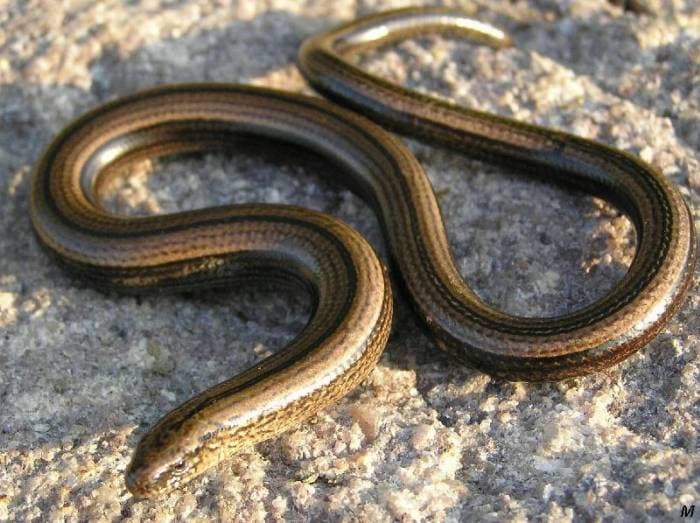
Anguidae is a large and diverse family of lizards found across the Northern Hemisphere. They are characterized by osteoderms beneath their scales, often a lateral skin fold, and reduced or absent limbs in the Anguinae subfamily, giving them a snake-like appearance. This family includes slow worms, glass lizards, and alligator lizards, inhabiting a wide range of environments from arid to tropical.

Badakhshana rock agama
The Badakhshana rock agama is a species of agamid lizard native to Central Asia, found in regions including Afghanistan, Pakistan, China, Turkmenistan, Tajikistan, and Kyrgyzstan. This lizard is characterized by its adaptation to rocky and arid environments.