
Anguidae
Oviparous and viviparous species exist within the family, sometimes even within the same genus.
Anguidae is a large and diverse family of lizards found across the Northern Hemisphere. They are characterized by osteoderms beneath their scales, often a lateral skin fold, and reduced or absent limbs in the Anguinae subfamily, giving them a snake-like appearance. This family includes slow worms, glass lizards, and alligator lizards, inhabiting a wide range of environments from arid to tropical.
Key Facts
- ›Anguids possess osteoderms beneath their scales, providing an armored appearance.
- ›The family is divided into two living subfamilies: the legless Anguinae and the limbed Gerrhonotinae (alligator lizards).
- ›Species range in size from 10 cm to 1.5 meters in length.
- ›Anguids are primarily carnivorous or insectivorous, preying on insects, small reptiles, and amphibians.
- ›They inhabit diverse environments, including arid, tropical, terrestrial, and semifossorial settings, with one arboreal genus.
- ›The family has a significant fossil record dating back to the Late Cretaceous.
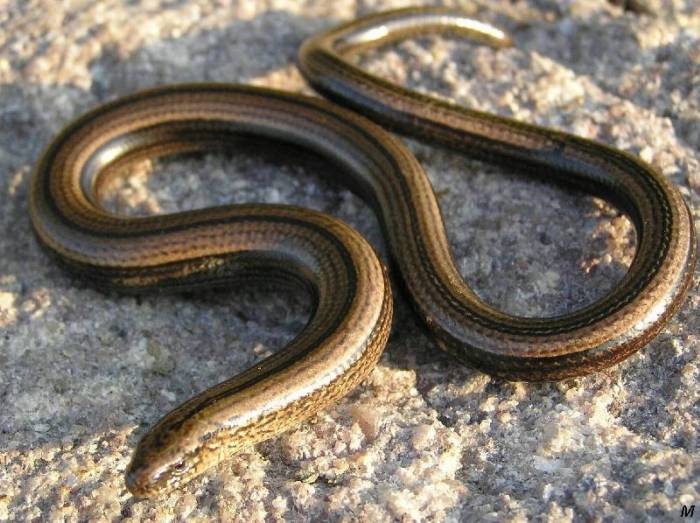
Alligator Lizards, Slow Worms, Glass Lizards
Northern Hemisphere, North America, Central America, Europe, North Africa
Arid Environments, Tropical Environments, Terrestrial, Semifossorial, Arboreal
- Possess Osteoderms Beneath Scales, Giving An Armored Appearance.
- Most Taxa Have A Lateral Fold In the Skin.
- Subfamily Anguinae Has Reduced Or Absent Limbs, Resulting In A Snake-Like Body.
- Subfamily Gerrhonotinae Has Fully Developed Limbs.
- Body Size Varies Significantly, Ranging From 10 cm To 1.5 Meters.
- Striations On the Medial Faces of Tooth Crowns.
Insects, Small Reptiles, Amphibians
Carnivorous Or Insectivorous Foraging.
About Anguidae
The Anguidae family represents a substantial and varied group of lizards native to the Northern Hemisphere. This family is distinguished by several key characteristics, including the presence of osteoderms beneath their typically scaled skin, which gives them a notably armored appearance. Many species also feature a lateral fold along their body. The family is broadly divided into two living subfamilies: Anguinae, which comprises legless species like slow worms and glass lizards, and Gerrhonotinae, which includes the fully limbed alligator lizards.
Anguid lizards exhibit a wide range of body types and sizes, with individuals measuring anywhere from a small 10 centimeters to an impressive 1.5 meters in length. Their reproductive strategies are also diverse, with both egg-laying (oviparous) and live-bearing (viviparous) species found within the family, sometimes even within the same genus. Their diet primarily consists of insects, though larger members are known to consume small reptiles and amphibians, classifying them as carnivorous or insectivorous foragers.
The habitat preferences of Anguidae are broad, spanning from arid to tropical environments. Most species are terrestrial or semifossorial, meaning they live on the ground or partially burrow. However, the genus Abronia stands out as an arboreal group, inhabiting trees. The evolutionary history of Anguidae is well-documented through a rich fossil record, with evidence suggesting their origins in North America during the Cretaceous period, with subsequent dispersal to other parts of the Northern Hemisphere.
Source: Wikipedia ↗
Frequently Asked Questions
What are the main distinguishing features of Anguidae lizards?
Anguids are known for having hard osteoderms beneath their scales, giving them an armored look. Many also have a lateral fold in their skin. Members of the Anguinae subfamily have reduced or absent limbs, resembling snakes.
What types of habitats do Anguidae lizards occupy?
This family inhabits a wide variety of environments across the Northern Hemisphere. Their habitats range from arid to tropical regions, and they are typically terrestrial or semifossorial (living partly underground). A notable exception is the arboreal genus *Abronia*.
What do Anguidae lizards eat?
Anguids are primarily carnivorous or insectivorous. Their diet mainly consists of insects, but larger species are capable of preying on small reptiles and amphibians.
Are there any legless lizards in the Anguidae family?
Yes, the subfamily Anguinae within the Anguidae family contains legless species. These are often referred to as slow worms and glass lizards, and they have a snake-like appearance due to their reduced or absent limbs.
How diverse is the Anguidae family?
The Anguidae family is quite large and diverse, encompassing 9 genera and 89 extant species. Historically, it also included the family Diploglossidae.
What is the evolutionary history of Anguidae?
Anguids have a substantial fossil record, with remains found from the Late Cretaceous period onwards. The oldest known anguid, *Odaxosaurus*, dates back approximately 75 million years. Evidence suggests they evolved in North America and later dispersed to Europe.
Related Lizards

Iguana iguana
The green iguana (Iguana iguana) is a large, arboreal lizard native to South America, Central America, and the Caribbean. Primarily herbivorous, these striking reptiles are known for their distinctive dorsal spines, prehensile tails, and dewlaps used for thermoregulation and display. They are popular in the pet trade but can be challenging to care for due to specialized environmental needs.

Indo-Pacific gecko
The Indo-Pacific gecko, also known as Garnot's house gecko or fox gecko, is a medium-sized gecko native to South and Southeast Asia, Polynesia, and the east coast of Australia. It is distinguished by its ability to change skin color for camouflage and by rows of large, spiny scales along the sides of its tail. This parthenogenic species reproduces without male fertilization and is found in various habitats, often near human settlements.
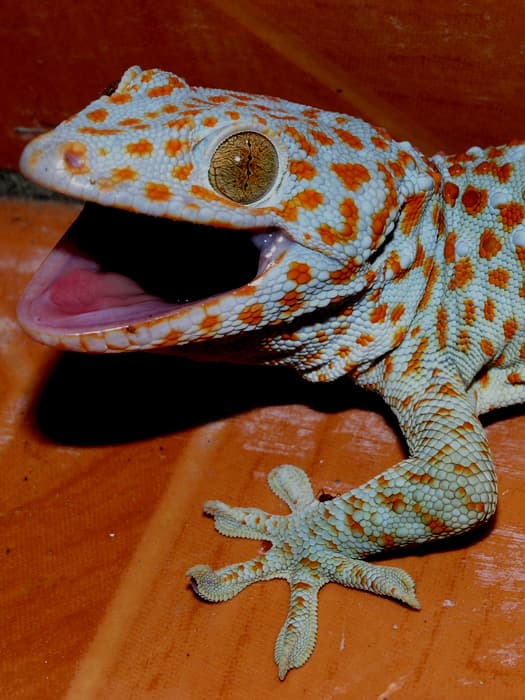
Gekkonidae
Gekkonidae, commonly known as the largest family of geckos, encompasses over 950 described species distributed globally, with a notable diversity in tropical regions. Many species within this family are renowned for their remarkable ability to adhere to surfaces using specialized foot structures called setae. This family includes well-known geckos such as house geckos, tokay geckos, and day geckos, contributing significantly to the gecko population worldwide.