
Phyllodactylus nocticolus
Not listed as endangered in California·Not specified
The peninsula leaf-toed gecko (Phyllodactylus nocticolus) is a medium-sized nocturnal gecko found in the desert regions of southern California and the Baja California Peninsula. It inhabits areas with desert shrubs and large open rocks, often seeking shelter in crevices or under rock slabs during the day.
Key Facts
- ›Found in southern California (USA) and the Baja California Peninsula (Mexico).
- ›Primarily nocturnal, active at night.
- ›Inhabits desert shrubland and rocky areas.
- ›Feeds on small invertebrates like moths and spiders.
- ›Not currently listed as endangered in California.

Peninsula Leaf-Toed Gecko, Peninsular Leaf-Toed Gecko
Southern California, Usa, Baja California Peninsula, Mexico, Islands In the Gulf of California, Islas Magdalena, Santa Margarita
Desert Shrubland, Rocky Areas, Desert Chaparral
Medium-Sized Gecko.
Small Invertebrates, Moths, Spiders
- Nocturnal Activity
- Hides Under Rock Slabs Or In Crevices During the Day
- Stalks and Eats Prey
- Hunts On Rocks, Along the Ground, and Around Plants
- Potential Habitat Disruption From Human Development
About Phyllodactylus nocticolus
Peninsula Leaf-toed Gecko (Phyllodactylus nocticolus)
The peninsula leaf-toed gecko, scientifically known as Phyllodactylus nocticolus, is a medium-sized lizard native to the arid landscapes of southern California and the Baja California Peninsula. This gecko is characterized by its nocturnal habits, emerging from its daytime shelters to hunt small invertebrates under the cover of darkness.
Habitat and Distribution
This species is primarily found in desert shrubland environments, favoring areas with large open rocks and desert chaparral. Its range extends from the border region of California down through the Anza-Borrego Desert State Park and across the entire Baja California Peninsula, including numerous islands within the Gulf of California and off the western coast of Baja California Sur. While its presence in California is limited to a specific region, it is distributed widely throughout Baja California.
Behavior and Diet
The peninsula leaf-toed gecko is most active at night, a trait that defines its name and behavior. During daylight hours, it seeks refuge in crevices, under rock slabs, or occasionally beneath plant matter. Its diet consists of small invertebrates, with documented prey including moths and spiders. These geckos have been observed hunting on rocks, along the ground, and in the vicinity of plants.
Conservation
Currently, the peninsula leaf-toed gecko is not listed as an endangered species within California. This status is likely attributed to the gecko's preference for remote areas with minimal human activity. However, potential threats may arise if human development encroaches upon their natural habitat, potentially impacting their ability to thrive.
Source: Wikipedia ↗
Frequently Asked Questions
Where can the peninsula leaf-toed gecko be found?
The peninsula leaf-toed gecko is found in southern California, USA, and throughout the Baja California Peninsula in Mexico. Its range includes islands in the Gulf of California and islands off the west coast of Baja California Sur.
What kind of habitat does this gecko prefer?
This gecko prefers areas with desert shrubs and large open rocks. They are often found in desert chaparral, inhabiting small crevices or large bare rocks.
When is the peninsula leaf-toed gecko most active?
The peninsula leaf-toed gecko is nocturnal, meaning it is most active during the night. During the day, they typically rest underneath rock slabs or within crevices.
What does the peninsula leaf-toed gecko eat?
The peninsula leaf-toed gecko is an insectivore, feeding on small invertebrates. Its diet includes moths, spiders, and other similar small prey.
Is the peninsula leaf-toed gecko endangered?
The species is not listed as endangered within California. This is likely due to its presence in areas with minimal human activity.
Related Lizards
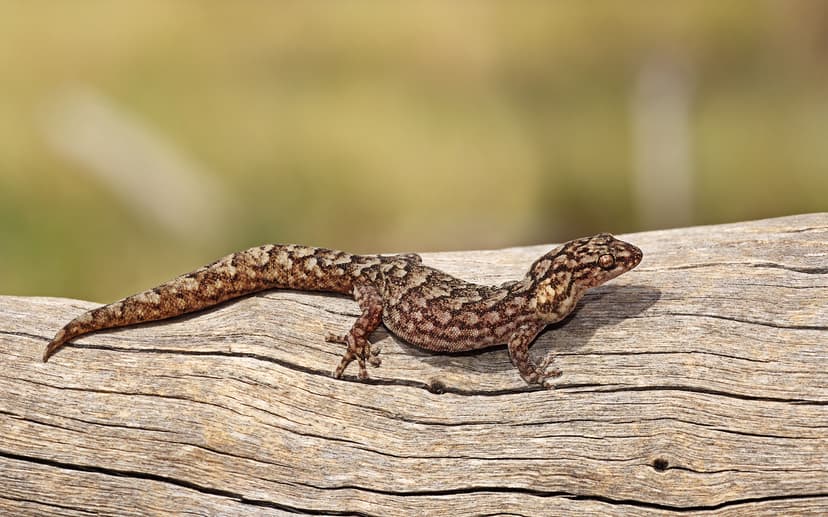
Christinus marmoratus
Christinus marmoratus, also known as the marbled gecko or southern marbled gecko, is a small, nocturnal gecko native to southern mainland Australia. This species is highly adaptable, inhabiting a range of environments from open shrubland to urban areas, and is notable for its ability to shed its tail when threatened. They are insectivorous and often found in aggregations.

Dune gecko
The dune gecko, also known as Anderson's short-fingered gecko or Egyptian sand gecko, is a small, primarily nocturnal lizard found in the arid regions of northern Africa and Israel. Typically measuring 5-8 cm from head to tail base, these geckos are characterized by their long tails, which can regrow if shed, and their inability to climb smooth surfaces, preferring instead to dig. Their diet consists mainly of insects like crickets and mealworms, and they utilize camouflage to remain hidden while hunting.
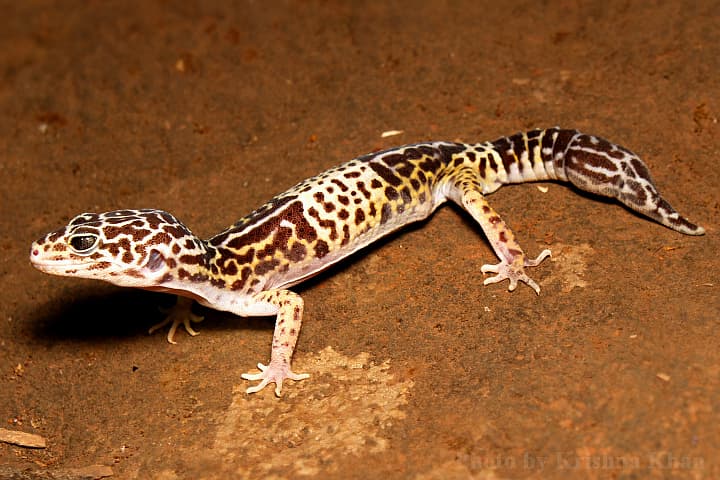
Eublepharis fuscus
The West Indian leopard gecko (Eublepharis fuscus) is a robust gecko species found in western India and potentially extending into southeastern Pakistan. Known for its dusky coloration, it inhabits forested hill tracts, scrub, and rocky areas. This nocturnal, terrestrial lizard primarily preys on scorpions and other arthropods.