
Psammodromus manuelae
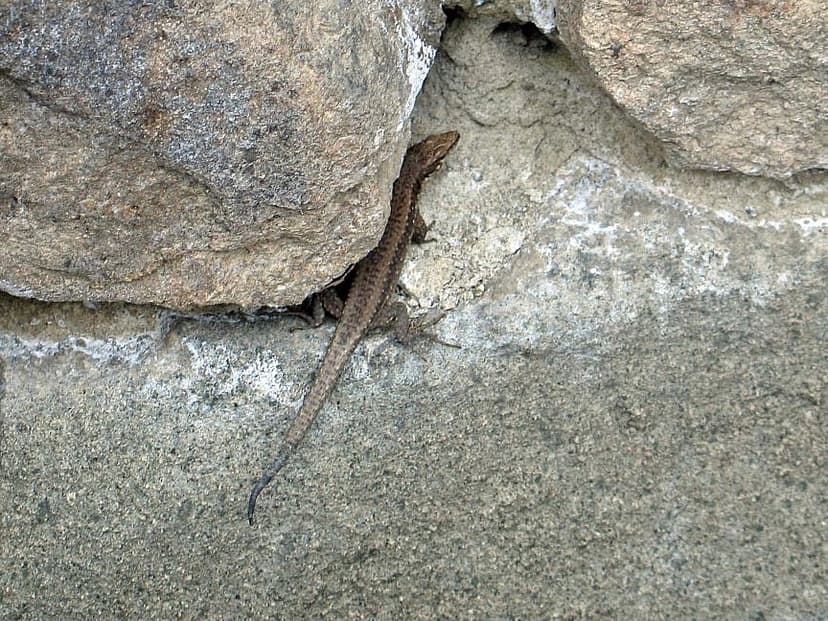
Psammodromus manuelae is a species of lizard belonging to the Lacertidae family, found exclusively in Iberia. It was formerly considered a subspecies of the large psammodromus and is currently classified as least concern by the IUCN due to its stable population.
Key Facts
- ›Endemic to Portugal and western Spain.
- ›Belongs to the Lacertidae family.
- ›Previously considered a subspecies of Psammodromus algirus.
- ›Population is stable.
- ›Classified as Least Concern by the IUCN.

Portugal, Spain
About Psammodromus manuelae
Psammodromus manuelae is a species of lizard belonging to the family Lacertidae. This species is native to the Iberian Peninsula, specifically found in Portugal and western Spain. Previously, it was considered a subspecies of the larger Psammodromus algirus, but it is now recognized as a distinct species.
Conservation Status
The population of Psammodromus manuelae is noted as stable. Consequently, the International Union for Conservation of Nature (IUCN) has classified the species as Least Concern, indicating it is not currently facing significant threats to its survival in the wild.
Source: Wikipedia ↗
Frequently Asked Questions
Where is Psammodromus manuelae found?
Psammodromus manuelae is endemic to the Iberian Peninsula. Its natural range includes Portugal and western Spain.
What is the conservation status of Psammodromus manuelae?
The International Union for Conservation of Nature (IUCN) classifies Psammodromus manuelae as Least Concern. This indicates that the species is not currently facing a high risk of extinction in the wild.
What family does Psammodromus manuelae belong to?
Psammodromus manuelae is a member of the Lacertidae family. This family includes many species of lizards commonly known as wall lizards or sand lizards.
Was Psammodromus manuelae always considered a separate species?
No, Psammodromus manuelae was previously classified as a subspecies of the large psammodromus (Psammodromus algirus). It has since been recognized as a distinct species.
Related Lizards

Agama impalearis
Agama bibronii, also known as Bibron's agama or the North African rock agama, is a medium-sized lizard found in northwestern Africa. Characterized by its greyish-green dorsal coloration with brown spots and a blue head with orange eye rims, males exhibit striking coppery-orange and purplish-blue breeding colors. This diurnal species inhabits rocky areas and is an omnivore, feeding on arthropods, small lizards, and plant material.

Amphibolurus norrisi
Amphibolurus norrisi, commonly known as the Mallee heath dragon, is a semi-arboreal lizard endemic to Australia. It is characterized by its pale grey body with darker grey stripes and distinctive vertebral stripe. This species inhabits Mallee heathlands and is known for its ability to run bipedally when threatened.
Anatolian rock lizard
The Anatolian rock lizard, scientifically known as Anatololacerta anatolica, is a common lizard species found in western Anatolia and adjacent Greek islands. This lizard inhabits temperate forests and rocky environments, characterized by its flattened body and variable markings, often featuring pale spots on a dark olive-brown base.