
Reef gecko
Sphaerodactylus notatus·Sphaerodactylidae·Not specified
The Reef gecko, scientifically known as Sphaerodactylus notatus, is a small lizard found in Florida and the Caribbean. Characterized by its small size and speckled brown coloration, it inhabits damp forests, shrubs, and bushes, often relying on plants like seagrape for survival. Its presence in Florida is debated, with theories suggesting both natural introduction via rafting and accidental introduction through trade.
Key Facts
- ›Small gecko species found in Florida and the Caribbean.
- ›Scientific name is Sphaerodactylus notatus.
- ›Feeds on insects and spiders.
- ›Inhabits damp forests, shrubs, and bushes.
- ›Its native status in Florida is debated, with evidence for both natural and accidental introduction.
- ›Closely linked to the survival of the seagrape plant in Florida.

Florida Reef Gecko, Brown-Speckled Sphaero
Florida, Cuba, Bahamas, Jamaica
Damp Forests, Shrubs, Bushes, Under Logs, Hollow Timber, Man-Made Habitats
Small Lizard, Approximately Two Inches Long, Brown-Speckled Coloration
Insects, Spiders
Inhabits Undergrowth and Sheltered Areas.
Sea Level Rise, Habitat Loss
About Reef gecko
The Reef gecko, scientifically identified as Sphaerodactylus notatus and also known as the Florida reef gecko or brown-speckled sphaero, is a diminutive lizard species native to Florida and the Caribbean islands of Cuba and the Bahamas. It has also been documented as introduced on some Jamaican cays.
Taxonomy and Distribution
This species is recognized with four subspecies, each with specific endemic ranges within the Bahamas and Cuba, with one subspecies also noted as introduced in Jamaica. The precise taxonomic standing of populations on Isla de la Juventud and the Canarreos Archipelago remains uncertain. The presence of the Reef gecko in Florida is a point of ongoing discussion among herpetologists. While some propose it was accidentally introduced to Key West in the late 19th century via trade with Cuba, other evidence, including genetic studies, suggests a more natural origin, potentially through rafting to Key Largo.
Habitat and Ecology
Reef geckos are adaptable and can be found in both natural environments and human-modified landscapes. They typically inhabit damp forests, dense shrubs, and areas with undergrowth, often seeking shelter under logs or within hollow timber. In Florida, the species exhibits a significant ecological link to the seagrape plant (Coccoloba uvifera). The survival and recolonization of certain areas by the Reef gecko are closely tied to the health and presence of these plants, particularly after severe weather events.
Description and Threats
Sphaerodactylus notatus is a small lizard, measuring approximately two inches in length, and is characterized by its brown, speckled appearance. Its diet consists of insects and spiders. In Florida, the Reef gecko faces significant threats from rising sea levels, which have led to its decline in known habitats, including parts of Everglades National Park and Miami Beach. Due to these pressures, there have been proposals to list the Florida Reef gecko as an endangered species to afford it legal protections.
Source: Wikipedia ↗
Frequently Asked Questions
What is the scientific name for the Reef gecko?
The scientific name for the Reef gecko is Sphaerodactylus notatus. It is also sometimes referred to as the Florida reef gecko or brown-speckled sphaero.
Where can the Reef gecko be found?
The Reef gecko is native to Florida, Cuba, and the Bahamas. It has also been introduced to some offshore islands of Jamaica.
What does the Reef gecko eat?
The Reef gecko is an insectivore and spider-eater. Its diet consists primarily of insects and spiders.
What is the habitat of the Reef gecko?
The Reef gecko is found in both natural and man-made habitats. It prefers damp forests, shrubs, bushes, and areas with undergrowth or hollow timber.
Is the Reef gecko native to Florida?
The native status of the Reef gecko in Florida is a subject of debate among herpetologists. While some believe it was accidentally introduced, genetic evidence suggests a natural origin, possibly by rafting.
Are there any conservation concerns for the Reef gecko in Florida?
In Florida, the Reef gecko's survival is threatened by sea level rise and habitat loss, leading to its disappearance from some areas. There have been petitions to list it as an endangered species in Florida to provide legal protections.
Related Lizards

Ameiva ameiva
The Ameiva ameiva, commonly known as the giant ameiva or South American ground lizard, is a widespread lizard species found across Central and South America, as well as some Caribbean islands. It is characterized by a streamlined body, vibrant green coloration in males, and a varied diet that includes insects, small vertebrates, and plant matter. These lizards typically inhabit forest floors, seeking shelter under logs and in leaf litter.

Calumma nasutum
The Calumma nasutum, commonly known as the Madagascar pimple-nose chameleon or big-nosed chameleon, is a small arboreal lizard native to Madagascar. It is distinguished by a prominent, paddle-like appendage on its nose, which is thought to aid in mate identification, particularly in males who also possess a more noticeable casque. This species inhabits dense rainforests and is primarily nocturnal, feeding on small invertebrates.
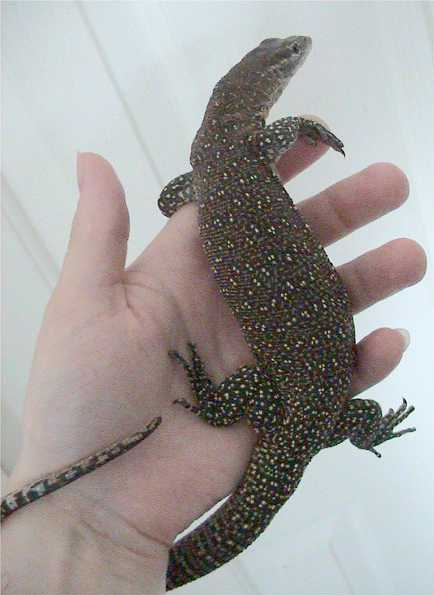
Varanus timorensis
The Timor monitor (Varanus timorensis), also known as the spotted tree monitor, is a small monitor lizard found on Timor and surrounding islands in Indonesia and Timor-Leste. It is characterized by its dark greenish-gray to black body with bright gold-yellow or bluish spots, a prehensile tail, and sharp claws, making it well-adapted for an arboreal lifestyle. This diurnal species inhabits woodlands, dry forests, and rainforests, where it feeds on a variety of invertebrates and smaller reptiles.