
Sceloporus arenicolus
The dunes sagebrush lizard, also known as Sceloporus arenicolus, is an insectivorous spiny lizard endemic to the shinnery oak sand dune systems of southeastern New Mexico and adjacent Texas. Its survival is closely tied to these specific sandy habitats, characterized by shinnery oak and sand sagebrush, where it utilizes "blowouts" and burrows for shelter. Habitat destruction due to herbicide spraying and oil industry development poses significant threats to its populations.
Key Facts
- ›Endemic to shinnery oak sand dune systems in New Mexico and Texas.
- ›Relies on "blowouts" and burrows within shinnery oak roots for shelter.
- ›Primarily insectivorous.
- ›Habitat destruction from herbicide spraying and oil industry activities is a major threat.
- ›Has faced proposals and final rules for Endangered Species Act listing due to significant habitat degradation and population declines.

Dunes Sagebrush Lizard, Sand Dune Lizard, Dunes-Sagebrush Lizard
Southeastern New Mexico, Adjacent Texas
Semi-Stabilized Sand Dunes, Shinnery Oak Sand Dune Systems, Blowouts
Insectivorous Spiny Lizard.
Insects
- Uses Burrows For Retreat From Extreme Temperatures.
- Utilizes "Blowouts" As Primary Microhabitat.
Habitat Destruction, Herbicide Spraying For Cattle Grazing, Oil Industry Activities, Invasion of Mesquite, Competition From Other Lizard Species, Future Energy Development, Sand Mining, Climate Change
About Sceloporus arenicolus
The Dunes Sagebrush Lizard: An Endangered Desert Dweller
The dunes sagebrush lizard, scientifically known as Sceloporus arenicolus, is a distinctive spiny lizard species uniquely adapted to the arid environments of southeastern New Mexico and adjacent counties in Texas. Its existence is intrinsically linked to the shinnery oak sand dune systems, a specialized habitat characterized by semi-stabilized dunes, shinnery oak (Quercus havardii), and sand sagebrush (Artemisia filifolia). These lizards are particularly reliant on "blowouts," sandy depressions that serve as their primary microhabitat, and utilize the root systems of shinnery oak for constructing burrows, offering refuge from extreme temperatures.
Habitat and Survival
The ecological niche of the dunes sagebrush lizard is highly specific. It thrives in sloping, sandy topography within shinnery oak-dominated dune systems. The "blowouts" provide open sandy areas, while the dense network of shinnery oak roots offers crucial structural support for their burrows. These burrows are vital, allowing the lizards to escape the harsh conditions of the sand surface when it becomes too hot or too cold, thus playing a critical role in their thermoregulation and survival.
Threats and Conservation Status
Unfortunately, the dunes sagebrush lizard faces severe threats, predominantly stemming from habitat destruction. Historically, extensive areas of shinnery oak habitat were treated with herbicides to clear land for cattle grazing, leading to the lizards' extinction in those treated locations. Furthermore, the expansion of the oil industry has significantly fragmented and degraded these fragile dune systems. This disturbance not only destroys habitat but also facilitates the invasion of mesquite, which outcompetes the native shinnery oak.
In recent years, the dunes sagebrush lizard has been recognized as facing a high risk of extinction. The United States Fish and Wildlife Service has published a final rule to list the species as endangered, citing future energy development, sand mining, and climate change as paramount threats. A significant portion of its habitat has already been degraded, with substantial population declines observed. This endangered status underscores the urgent need for comprehensive conservation efforts to protect the remaining viable populations and their critical shinnery oak dune habitats.
Source: Wikipedia ↗
Frequently Asked Questions
What is the dunes sagebrush lizard?
The dunes sagebrush lizard (Sceloporus arenicolus) is a species of spiny lizard found exclusively in the shinnery oak sand dune ecosystems of southeastern New Mexico and parts of adjacent Texas. It is an insectivore that uses specialized microhabitats within these dunes for survival.
Where does the dunes sagebrush lizard live?
This lizard's habitat is strictly limited to semi-stabilized sand dunes that feature shinnery oak, short shrubs, and sand sagebrush. They are particularly dependent on "blowouts," which are bowl-shaped sandy depressions within these dune systems.
What are the main threats to the dunes sagebrush lizard?
The most significant threat is habitat destruction, primarily caused by the spraying of shinnery oak with herbicides for cattle grazing and extensive oil industry development. These activities degrade the dune systems, allowing invasive species like mesquite to encroach.
Has the dunes sagebrush lizard been listed as endangered?
Yes, the United States Fish and Wildlife Service has issued a final rule to list the dunes sagebrush lizard as endangered. This decision was based on significant habitat degradation, population declines, and projected threats from future energy development, sand mining, and climate change.
What does the dunes sagebrush lizard eat?
The dunes sagebrush lizard is an insectivore, meaning its diet consists primarily of insects. Specific details about its prey are not provided, but its feeding habits are adapted to the insect life found within its sandy dune habitat.
Are there any conservation efforts for this species?
In the past, voluntary conservation agreements in New Mexico and Texas were cited as reasons for not listing the species. However, due to ongoing threats and significant habitat loss, it has now been listed as endangered, indicating a need for more robust conservation measures.
Related Lizards
Paroedura tanjaka
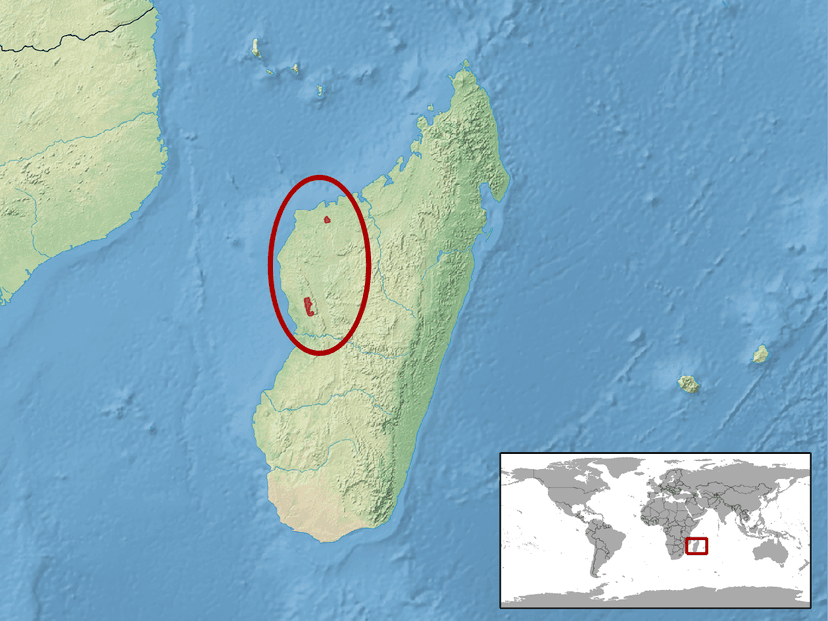
Paroedura tanjaka, also known as the "strong" Malagasy gecko, is a large species of gecko endemic to northwestern Madagascar. This nocturnal lizard inhabits karstic dry forests and is known to shelter in caves during the day, where it may also hunt and mate. Due to its limited range and declining habitat, it is classified as Endangered.

Algerian psammodromus
The Algerian psammodromus is a species of lizard recognized for its metallic brownish dorsal coloration often accented by conspicuous white or yellowish stripes. It inhabits dense bushy vegetation in southwestern Europe and northwestern Africa, preying primarily on terrestrial arthropods. This species faces threats primarily from habitat loss.

Blanus cinereus
The Iberian worm lizard (Blanus cinereus) is a limbless reptile resembling a worm, characterized by its small, underdeveloped eyes and smooth scales. It inhabits a variety of Mediterranean habitats across Portugal and central and southern Spain, where it lives a subterranean life. This species relies heavily on chemosensory signaling to navigate, detect prey, and avoid predators, compensating for its near-complete inability to see.