
Western bearded anole
Anolis barbatus·Dactyloidae·Not specified in text
The Western bearded anole (Anolis barbatus) is a species of anole lizard native to Western Cuba. These lizards are characterized by their robust heads, dull gray-brown coloration, and slow-moving nature. They are also distinguished by their blunt teeth, adapted for crushing snails, which form their primary diet.
Key Facts
- ›Native to Western Cuba.
- ›Adults have a snout-to-vent length of approximately 18 cm (7 in).
- ›Primarily feed on snails using blunt teeth for crushing.
- ›Lack the ability to autotomize their tails, unlike many other anoles.
- ›Possess gecko-like toe pads for climbing various surfaces.
- ›Spend a majority of their time stationary, moving mainly to feed or escape.

Western Bearded Anole, Cuban False Chameleon
Western Cuba
Adult Snout-Vent Length of About 18 cm ., Tails Are Slightly Shorter Than Their Bodies., Robust Heads., Dull Gray-Brown Coloration., Blunt Teeth Adapted For Crushing Snails., Lack the Ability To Autotomize Their Tails., Possess Gecko-Like Toe Pads For Climbing.
Snails
- Slow-Moving To Hide From Predators.
- Can Be Quick When Feeding Or Escaping.
- Spend A Majority of Their Time Stationary.
- Move Primarily To Feed, Escape Predators, and Display For Mating.
Predators
About Western bearded anole
What is the Western Bearded Anole?
The Western bearded anole, scientifically known as Anolis barbatus, is a species of lizard native to the western region of Cuba. It is one of several species collectively referred to as "false chameleons" due to their appearance and are sometimes placed in their own genus, Chamaeleolis. These anoles are relatively large for their kind, possessing robust heads and a generally dull gray-brown coloration. They are characterized by their slow-moving nature, which aids in their camouflage and predator avoidance.
Physical Characteristics and Adaptations
Adult Western bearded anoles typically reach a snout-to-vent length of about 18 centimeters (7 inches), with tails that are slightly shorter than their bodies. A distinctive feature is their blunt teeth, which are specifically adapted for crushing the shells of snails, their primary food source in the wild. Unlike many other anoles, they are unable to autotomize, or shed, their tails as a defense mechanism. Like other anoles, they possess specialized toe pads, similar to those of geckos, which enable them to climb and move effectively on a variety of surfaces.
Behavior and Diet
Studies indicate that the Western bearded anole spends most of its time remaining stationary, conserving energy. Their movements are primarily driven by the need to feed, escape from predators, or engage in social interactions such as mating displays. While generally slow-moving to remain undetected, they are capable of swift actions when hunting or fleeing. Their diet is specialized, focusing on snails, which they subdue and consume using their unique dental structure.
Source: Wikipedia ↗
Frequently Asked Questions
What is the scientific name for the Western bearded anole?
The scientific name for the Western bearded anole is Anolis barbatus. It is sometimes referred to by other names as part of a group known as 'false chameleons'.
Where does the Western bearded anole live?
The Western bearded anole is native to Western Cuba. It is part of a group of anoles found exclusively on the island of Cuba.
What do Western bearded anoles eat?
Their main diet in the wild consists of snails, which they crush using their blunt teeth. This specialized diet distinguishes them from many other anole species.
Are Western bearded anoles fast or slow-moving?
Generally, Western bearded anoles are slow-moving, which helps them hide from predators. However, they can exhibit quick movements when hunting for food or escaping danger.
Can Western bearded anoles drop their tails?
No, unlike many other lizards in the Anolis genus, Western bearded anoles lack the ability to autotomize, or drop, their tails as a defense mechanism.
What are the physical characteristics of the Western bearded anole?
Adults typically measure around 18 cm (7 inches) in snout-to-vent length, with tails slightly shorter than their bodies. They have robust heads, are dull gray-brown in color, and possess blunt teeth.
Related Lizards

Varanus niloticus
The Nile monitor (Varanus niloticus) is a large lizard species native to Sub-Saharan Africa, known for its muscular build, powerful jaws, and striking, variable skin patterns. They are highly adaptable, inhabiting a range of environments from riverbanks to savannahs, and are skilled swimmers and climbers. Despite their common presence in the pet trade, they are known for their aggressive nature and require specialized care.
Anguidae
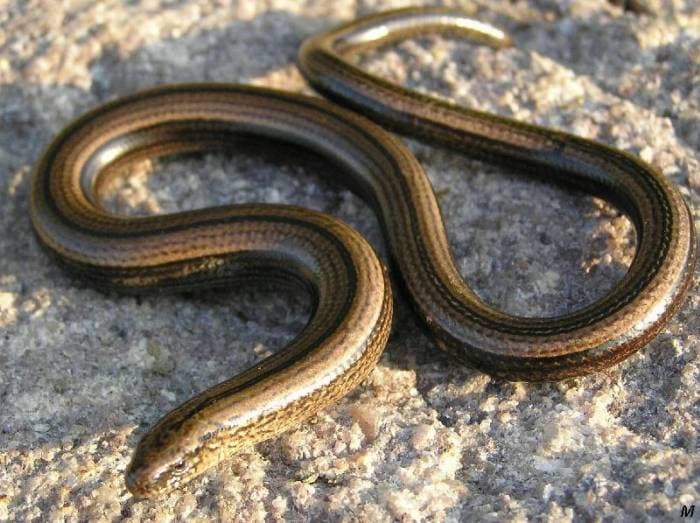
Anguidae is a large and diverse family of lizards found across the Northern Hemisphere. They are characterized by osteoderms beneath their scales, often a lateral skin fold, and reduced or absent limbs in the Anguinae subfamily, giving them a snake-like appearance. This family includes slow worms, glass lizards, and alligator lizards, inhabiting a wide range of environments from arid to tropical.

Flat-tailed house gecko
The flat-tailed house gecko, also known as the frilled house gecko or Asian house gecko, is a species native to southeastern and southern Asia. It is characterized by patagia, or flaps of skin, along its trunk, tail, and hind limbs, which aid in gliding. This gecko is often found in the pet trade and is easily identified by these distinctive skin flaps.