
Gulo
Gulo is a genus of carnivorous mammals within the Mustelidae family, known for its extinct and one extant species, the wolverine. Fossil records indicate its origin in North America, with subsequent migration to Eurasia during the Pliocene epoch. The genus is characterized by specific dental adaptations, particularly a robust P4 with three roots, suited for a hypercarnivorous diet.
Key Facts
- ›Gulo is a genus of carnivoran mammals belonging to the family Mustelidae.
- ›The genus originated in North America and later spread to Eurasia during the Pliocene.
- ›Key diagnostic traits include a reduced P2 and a robust P4 with three roots.
- ›The teeth of Gulo are adapted for hypercarnivory.
- ›It contains one living species, the wolverine (G. gulo), and several extinct species.
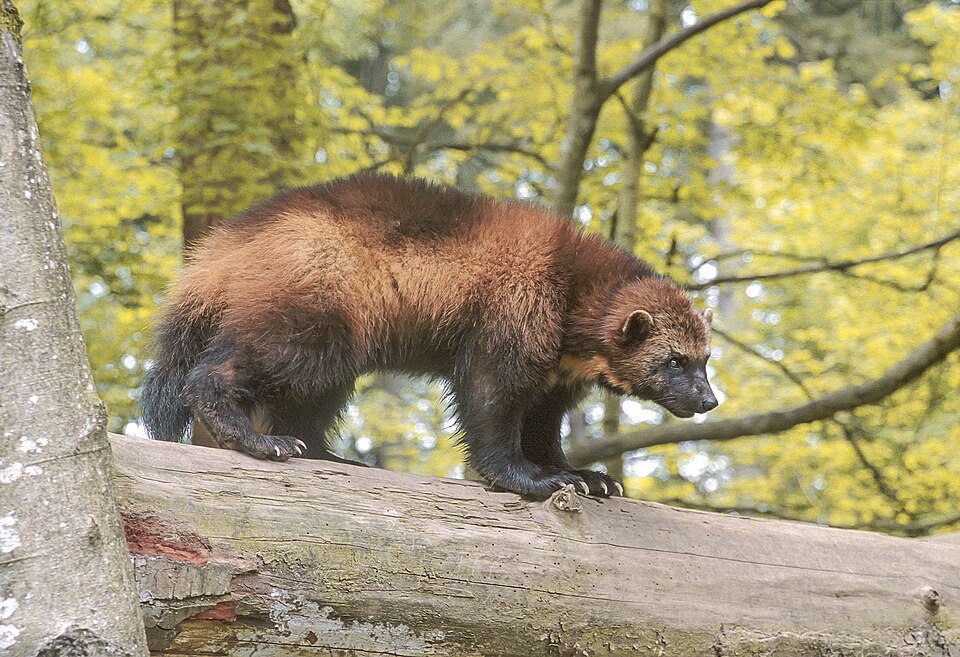
Wolverine Genus
North America, Eurasia
About Gulo
The genus Gulo represents a group of carnivorous mammals belonging to the family Mustelidae. It encompasses several extinct species and is most notably known for containing the single extant species, the wolverine (Gulo gulo).
Origins and Distribution
Fossil evidence suggests that the genus Gulo first emerged in North America. From its North American origins, it later expanded its range to Eurasia during the Pliocene epoch. This historical spread indicates a significant ancestral presence across these landmasses.
Physical Characteristics and Diet
Species within the Gulo genus exhibit distinct anatomical features, particularly in their dentition. Diagnostic traits include a strongly reduced P2 and a robust P4 characterized by three roots. Furthermore, their upper molars are comparatively smaller than those found in other members of the gulonine subfamily. These dental adaptations collectively point to a hypercarnivorous lifestyle, meaning their diet is heavily dominated by meat.
Source: Wikipedia ↗
Frequently Asked Questions
What family does the Gulo genus belong to?
The Gulo genus belongs to the family Mustelidae, which is a diverse family of carnivorous mammals.
Where did the Gulo genus originate?
Fossil evidence suggests that the Gulo genus first appeared in North America.
When did the Gulo genus spread to Eurasia?
The genus Gulo is believed to have spread from North America to Eurasia during the Pliocene epoch.
What are some distinctive physical traits of Gulo?
Distinctive traits include a strongly reduced P2, a robust P4 with three roots, and upper molars that are smaller compared to other gulonines. These features indicate adaptations for a hypercarnivorous diet.
How many living species are in the Gulo genus?
The Gulo genus currently contains one extant species, which is the wolverine (G. gulo).
Related Mustelids, Otters & Raccoons

Arctonyx
Hog badgers are three species within the genus Arctonyx, a group of mustelids belonging to the subfamily Melinae, which also includes true badgers. These distinct species were identified through a 2008 study, expanding the genus from a single species to three: the greater hog badger, the northern hog badger, and the Sumatran hog badger.

Enhydra
Enhydra is a genus of mustelids that includes the modern sea otter and two extinct species. It represents the sole living genus within the bunodont otters, characterized by non-blade carnassials with rounded cusps. The genus is believed to have originated in the Atlantic, with its lineage later becoming established in the North Pacific.
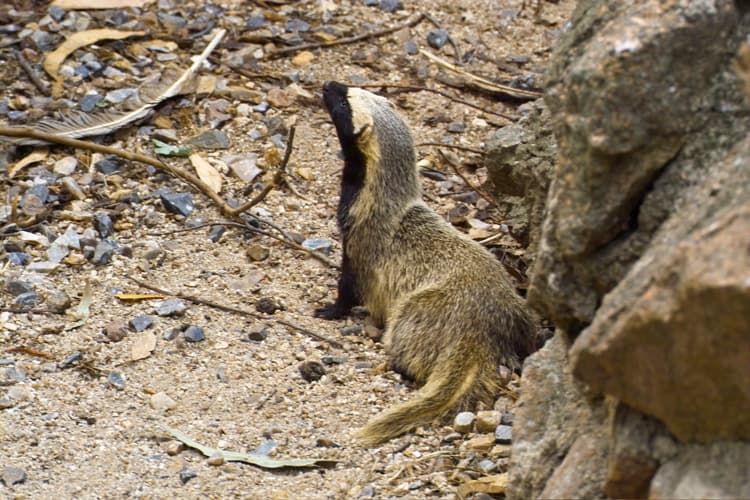
Galictis
The grison, genus Galictis, is a mustelid native to Central and South America. These animals are characterized by their frosted gray fur along the back, contrasted by black legs, throat, face, and belly, and a distinctive white stripe from the forehead to the back of the neck. They inhabit a variety of semi-open and forested environments and are generally terrestrial, often burrowing underground.