
Acianthera
Acianthera
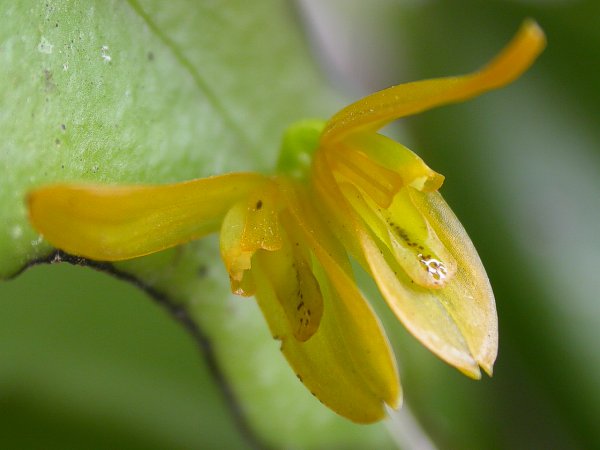
Acianthera is a genus of orchids indigenous to the tropical regions of the Western Hemisphere, with a particular abundance in Brazil. While first described in 1842, its recognition as a distinct genus is relatively recent, largely due to advancements in DNA sequencing that led to its separation from the Pleurothallis genus. The genus is characterized by its diverse species found across its native range.
Key Facts
- ›Native to the tropical Western Hemisphere, especially Brazil.
- ›First described in 1842, but gained wider recognition more recently.
- ›Many species were formerly classified under Pleurothallis subgenus Acianthera.
- ›Its current classification is a result of recent DNA sequencing studies.
- ›Plants of the World Online currently recognizes 302 species within the genus.
About Acianthera
The genus Acianthera comprises a collection of orchids native to the tropical regions of the Western Hemisphere, with a notable concentration of species found in Brazil. The scientific description of Acianthera dates back to 1842, but its establishment and widespread acceptance as a distinct genus are comparatively recent developments.
Taxonomy and Recognition
For a significant period, many species now classified under Acianthera were considered part of the Pleurothallis genus, specifically within the subgenus Acianthera. The recent elevation of this subgenus to its own genus is a direct consequence of advanced molecular studies, particularly DNA sequencing. These genetic analyses have provided clearer insights into the evolutionary relationships among orchids, necessitating a revision of existing taxonomic classifications.
Diversity
As of May 2025, the taxonomic authority Plants of the World Online recognizes 302 distinct species within the Acianthera genus. This substantial number highlights the diversity within this group of orchids and underscores the ongoing work in cataloging and understanding Neotropical orchid flora.
Source: Wikipedia ↗
Frequently Asked Questions
What is Acianthera?
Acianthera is a genus of orchids. These orchids are primarily found in the tropical areas of the Western Hemisphere, with Brazil being a significant center of diversity.
Where do Acianthera orchids come from?
Acianthera orchids are native to the tropical parts of the Western Hemisphere. They are particularly abundant in Brazil.
When was Acianthera first described?
The genus Acianthera was first described in 1842. However, it was not widely recognized as a distinct group until more recent times.
Why is Acianthera recognized as a separate genus now?
Recent DNA sequencing studies have led to a reclassification of many orchid species. This research supported the splitting of what was formerly Pleurothallis subgenus Acianthera into the distinct genus Acianthera.
How many species are in the Acianthera genus?
As of May 2025, the Plants of the World Online database accepts 302 species within the genus Acianthera. This number reflects ongoing taxonomic research in orchids.
Related Orchid species
Cryptarrhena
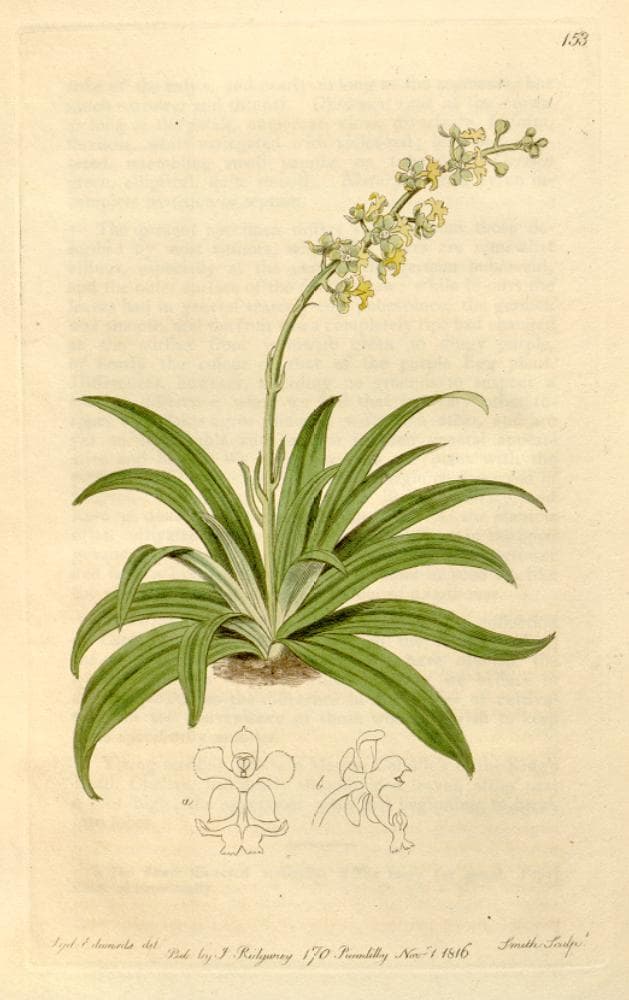
Cryptarrhena is a genus of orchids comprising three known species, all native to the New World Tropics. These orchids are found across Central and South America, including countries like Mexico, Colombia, Peru, Brazil, and the island of Trinidad. They are distinguished by their diverse geographical distribution within these tropical regions.

Barbosella
Barbosella is a genus of creeping orchids comprising about 20 species, primarily found across the West Indies and Latin America, from Mexico down to Argentina. These orchids are distinguished by their solitary flowers, which feature a unique lip base that functions like a ball and socket joint. The genus was named in honor of João Barbosa Rodrigues, a notable investigator of Brazilian orchids.
Lankesterella
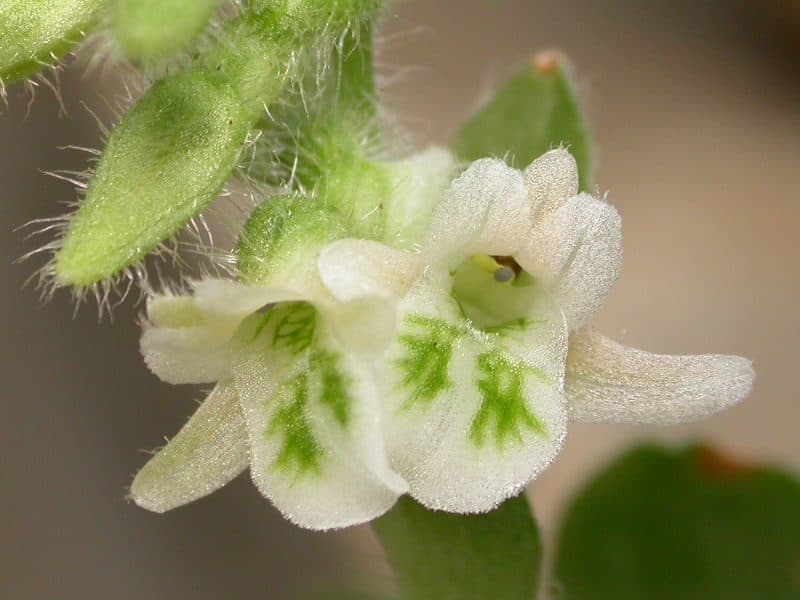
Lankesterella is a genus of flowering plants belonging to the orchid family, Orchidaceae. Primarily found in South America, several species extend their range northward into the Caribbean and Central America. The genus is distinguished by its diverse geographical distribution and numerous recognized species.