
Baskervilla
Baskervilla
Baskervilla is a genus of flowering plants belonging to the orchid family, Orchidaceae. This genus comprises 10 distinct species, all of which are native to the diverse ecosystems of Central America and South America. These orchids are recognized for their unique botanical characteristics within the broader Orchidaceae family.
Key Facts
- ›Baskervilla is a genus of orchids with 10 recognized species.
- ›All species within this genus are native to Central and South America.
- ›The genus is part of the large and diverse Orchidaceae family.
- ›Species are found across various South American countries including Colombia, Ecuador, Peru, Bolivia, and Brazil.
- ›Some species extend into Central American countries like Costa Rica, Nicaragua, and Panama.
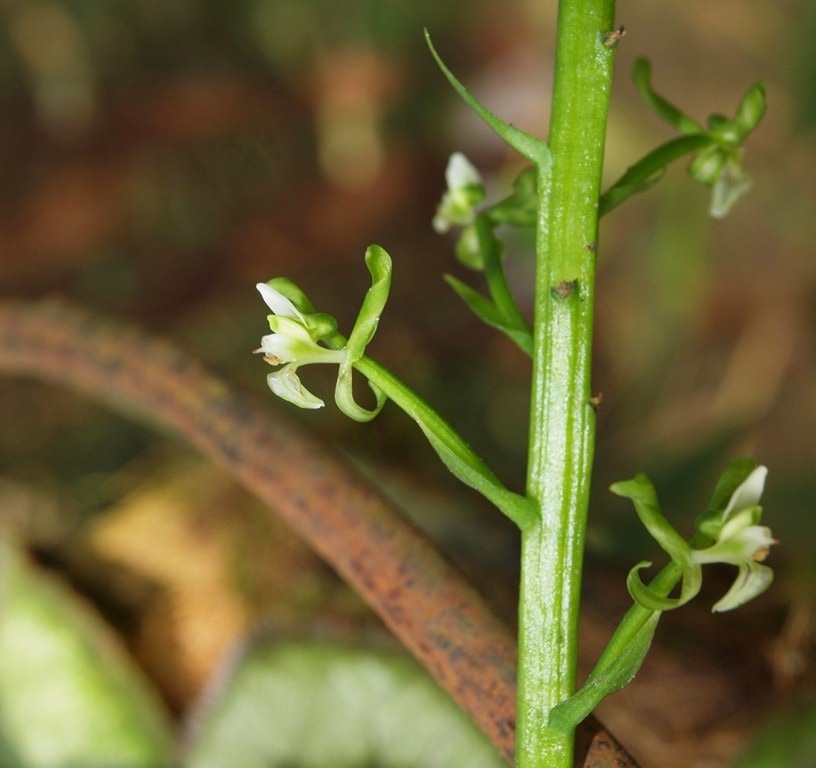
About Baskervilla
Baskervilla is a genus of flowering plants recognized within the extensive Orchidaceae family. This genus is characterized by its collection of ten distinct species, all of which are indigenous to the tropical regions of Central America and South America. The geographical distribution of Baskervilla species highlights their adaptation to a variety of climates and environments found across these continents.
Species Distribution
The ten species within the Baskervilla genus are distributed across numerous countries. For instance, Baskervilla assurgens is found in Colombia, Ecuador, and Peru. Baskervilla auriculata occurs in Ecuador and Bolivia, while Baskervilla boliviana is endemic to Bolivia. Further diversity is seen with Baskervilla colombiana, which spans Costa Rica, Nicaragua, Panama, Colombia, and Venezuela. Other species, such as Baskervilla leptantha, are native to Costa Rica, and Baskervilla machupicchuensis is found in Peru. Brazil is home to Baskervilla paranaensis, Ecuador hosts Baskervilla pastasae, and Panama features Baskervilla stenopetala. Finally, Baskervilla venezuelana is present in Colombia, Venezuela, and Guyana. This wide scattering of species underscores the genus's presence in diverse ecological niches.
Source: Wikipedia ↗
Frequently Asked Questions
How many species are in the Baskervilla genus?
The Baskervilla genus currently consists of 10 recognized species. These species are distributed across various regions in Central and South America.
Where are Baskervilla orchids found naturally?
Baskervilla orchids are native to Central America and South America. Their natural habitats span across countries such as Colombia, Ecuador, Peru, Bolivia, Brazil, Costa Rica, Nicaragua, and Panama.
What family does Baskervilla belong to?
Baskervilla is a genus of flowering plants that belongs to the orchid family, Orchidaceae. This family is known for its immense diversity and widespread distribution.
Which countries have Baskervilla species?
Baskervilla species can be found in a range of countries. These include Colombia, Ecuador, Peru, Bolivia, Brazil, Costa Rica, Nicaragua, Panama, Venezuela, and Guyana.
Related Orchid species

Eurystyles
Eurystyles is a genus of flowering plants belonging to the orchid family, Orchidaceae. These orchids are native to various regions across South America, Central America, the West Indies, and Chiapas. The genus is characterized by its specific growth habits and is recognized by botanical authorities with a number of accepted species.

Corymborkis
Corymborkis is a genus of terrestrial orchids found across tropical regions worldwide. These evergreen plants are known for their leafy stems, pleated leaves, and widely-opening flowers, which are typically greenish-white and arranged in crowded clusters. The genus name itself reflects the characteristic bunched arrangement of their blooms.
Cryptarrhena
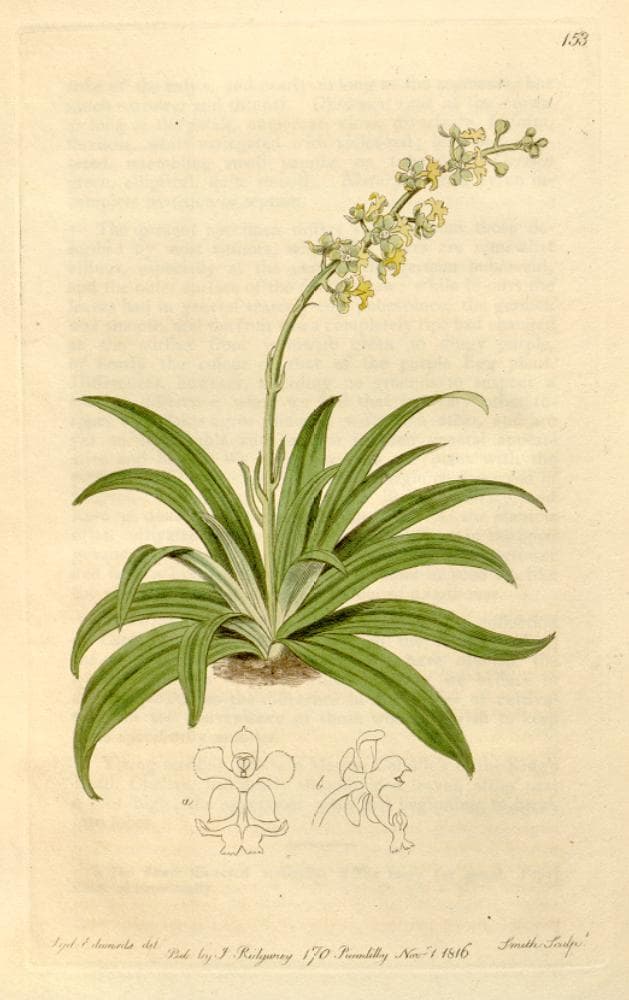
Cryptarrhena is a genus of orchids comprising three known species, all native to the New World Tropics. These orchids are found across Central and South America, including countries like Mexico, Colombia, Peru, Brazil, and the island of Trinidad. They are distinguished by their diverse geographical distribution within these tropical regions.