
Benzingia
Benzingia
Benzingia is a genus of flowering plants belonging to the orchid family, Orchidaceae. These orchids are native to the mountainous regions of Central America and northwestern South America, with their natural range extending from Costa Rica to Peru. The genus is characterized by its diverse species found across these Andean and Central American territories.
Key Facts
- ›Benzingia is a genus of orchids within the Orchidaceae family.
- ›It is native to the mountains of Central America and northwestern South America.
- ›The natural distribution spans from Costa Rica to Peru.
- ›As of May 2012, nine species were recognized within the genus.
- ›Species are found in countries including Costa Rica, Panama, Colombia, Ecuador, and Peru.
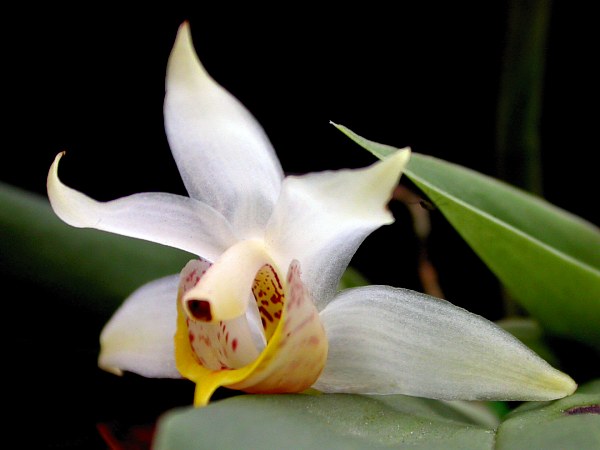
About Benzingia
Benzingia is a genus of flowering plants belonging to the Orchidaceae family, commonly known as orchids. This genus is geographically situated in the mountainous terrains of Central America and northwestern South America. Its natural distribution spans a significant area, encompassing regions from Costa Rica down to Peru, showcasing its adaptation to diverse highland environments.
Species Diversity
As of May 2012, botanical classification recognized nine distinct species within the Benzingia genus. These species have been documented across various countries within its native range:
- Benzingia caudata: Found in Peru (Cordillera del Cóndor) and Ecuador.
- Benzingia cornuta: Native to Colombia and Ecuador.
- Benzingia estradae: Occurs in Ecuador.
- Benzingia hajekii: Recorded in Peru.
- Benzingia hirtzii: Found in Ecuador (Esmeraldas province).
- Benzingia jarae: Native to Peru.
- Benzingia palorae: Distributed across Colombia and Ecuador.
- Benzingia reichenbachiana: Found in Costa Rica and Panama.
- Benzingia thienii: Occurs in Ecuador.
The presence of these species across multiple countries highlights the genus's biogeographical importance in the Andean and Central American floral regions.
Source: Wikipedia ↗
Frequently Asked Questions
What family does Benzingia belong to?
Benzingia is a genus of flowering plants that belongs to the orchid family, known scientifically as Orchidaceae. This family is one of the largest and most diverse families of flowering plants.
Where are Benzingia orchids found naturally?
Benzingia orchids are native to the mountainous regions of Central America and northwestern South America. Their natural distribution extends from Costa Rica, through countries like Panama, Colombia, and Ecuador, down to Peru.
How many species are recognized in the genus Benzingia?
As of May 2012, botanical records recognized nine distinct species within the genus Benzingia. These species are distributed across the various regions where the genus is found.
Which countries are home to Benzingia species?
Benzingia species are found in several countries across Central and South America. These include Costa Rica, Panama, Colombia, Ecuador, and Peru, with specific species noted for their presence in particular regions within these nations.
Related Orchid species

Gongora
Gongora is a genus of orchids belonging to the family Orchidaceae, comprising around 65 species primarily found in Central America and tropical South America, with a significant concentration in Colombia. These epiphytic plants are distinguished by their pendulous inflorescences bearing numerous flowers that hang upside down, often with distinctive fragrances and waxy blooms. The genus is named in honor of Antonio Caballero y Gongora, a Spanish viceroy and governor.

Barbosella
Barbosella is a genus of creeping orchids comprising about 20 species, primarily found across the West Indies and Latin America, from Mexico down to Argentina. These orchids are distinguished by their solitary flowers, which feature a unique lip base that functions like a ball and socket joint. The genus was named in honor of João Barbosa Rodrigues, a notable investigator of Brazilian orchids.

Aspasia
Aspasia is a genus of seven orchid species native to Central and South America, known for their exquisite, medium-sized flowers that are occasionally used in artificial hybrids. These orchids are closely related to the Miltonia and Brassia genera and exhibit diverse growth habits, ranging from epiphytic to lithophytic.