
Catasetum
Catasetum
Catasetum is a genus of showy epiphytic orchids belonging to the family Orchidaceae. Native to regions spanning from Mexico to Argentina, many species are highly valued in horticulture for their striking flowers. A distinctive characteristic of Catasetum is its unisexual flowers, with male and female blooms often appearing on separate plants, a phenomenon that historically puzzled botanists until explained by Charles Darwin.
Key Facts
- ›Catasetum orchids are typically epiphytic, growing on trees in very wet forests.
- ›They are known for their unisexual flowers, with male and female blooms often on different plants (dioecy).
- ›Male flowers possess a unique mechanism to explosively eject their pollinia when touched.
- ›Many species have a prolonged saprophytic stage, relying on mycorrhizal fungi to break down wood for nutrients.
- ›Some Catasetum species germinate in ant nests, benefiting from the nitrogen provided by ant colonies.
- ›Cultivation can be challenging, with some species requiring specific temperature and humidity conditions and intolerance to dryness.
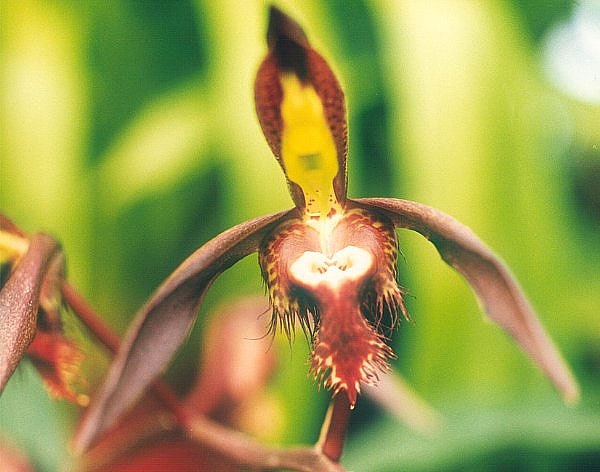
Ctsm.
Mexico, Central America, West Indies, South America, Argentina, Brazil, Guianas, Venezuela, Ecuador
Epiphytic
Colorful Male Flowers, Yellowish-Green Female Flowers
About Catasetum
Catasetum is a genus of striking epiphytic orchids, a group of plants that grow on other plants, typically trees. Belonging to the Orchidaceae family, these orchids are found across a wide range of habitats from Mexico to Argentina, with Brazil being a center of diversity for the genus. Many species within the Catasetum genus are highly prized for their horticultural appeal.
Biology and Reproduction
A distinctive biological feature of Catasetum orchids is their unisexual flowers, a rarity among orchids. This means that individual flowers are either male or female. In a phenomenon known as dioecy, the colorful male flowers and the typically yellowish-green female flowers are usually produced on separate plants. This sexual dimorphism was a source of great confusion to early taxonomists, including Charles Darwin, who eventually resolved the puzzle.
Male Catasetum flowers possess a remarkable and explosive mechanism for dispersing their pollen. When an insect makes contact with a sensitive seta on the flower, the pollen sacs, or pollinia, are launched with significant force. This explosive ejection was even met with skepticism from other naturalists of Darwin's time.
Growth and Cultivation
In their natural environments, Catasetum species predominantly thrive as epiphytes in very humid forests. They have a unique symbiotic relationship with wood-devouring mycorrhizal fungi, which aid in breaking down decomposing wood, thus supplementing the orchids' nutrition. Many species exhibit a prolonged saprophytic stage as seedlings, drawing nutrients from decaying wood before developing leaves and engaging in photosynthesis. As wood is deficient in nitrogen, these orchids are considered heavy feeders with high nitrogen requirements, often benefiting from proximity to ant colonies.
Indeed, numerous Catasetum species are known to germinate in ant nests high in the forest canopy, hosting ant colonies that provide a rich source of nitrogen. This association with ants can also occur in cultivation. However, growing Catasetum orchids can present challenges. Most species are not tolerant of dry conditions and some have very specific temperature requirements, making cultivation difficult without specialized environments like greenhouses or Wardian cases. Some species, particularly those that attract ant colonies, can become somewhat of a nuisance in domestic settings.
Source: Wikipedia ↗
Frequently Asked Questions
What are Catasetum orchids?
Catasetum is a genus of orchids known for their showy, epiphytic nature and unusual unisexual flowers. They are found in tropical and subtropical regions of the Americas.
Where do Catasetum orchids grow naturally?
These orchids have a wide natural distribution, occurring from Mexico down through Central and South America, including the West Indies. Brazil hosts the largest diversity of Catasetum species.
What is unique about Catasetum flowers?
A remarkable feature is that Catasetum flowers are unisexual, meaning individual flowers are either male or female. In most cases, male and female flowers are produced on separate plants, a condition known as dioecy.
How do Catasetum male flowers pollinate?
Male Catasetum flowers have a fascinating defense and pollination mechanism. When an insect touches a specialized structure called a seta, the pollen sacs (pollinia) are explosively ejected with considerable force.
What are the growth requirements for Catasetum orchids?
In their natural habitat, they grow as epiphytes in very wet forests and often rely on symbiotic relationships with mycorrhizal fungi and ants for nutrition. Cultivating them can be difficult, with many requiring specific temperature, humidity, and light conditions, and they generally cannot tolerate dry periods.
Are Catasetum orchids easy to grow?
Many Catasetum species are considered moderately difficult to maintain in cultivation, with some defying cultivation altogether. They often need a greenhouse or similar controlled environment to thrive due to their specific temperature, humidity, and water needs.
Related Orchid species

Barbosella
Barbosella is a genus of creeping orchids comprising about 20 species, primarily found across the West Indies and Latin America, from Mexico down to Argentina. These orchids are distinguished by their solitary flowers, which feature a unique lip base that functions like a ball and socket joint. The genus was named in honor of João Barbosa Rodrigues, a notable investigator of Brazilian orchids.
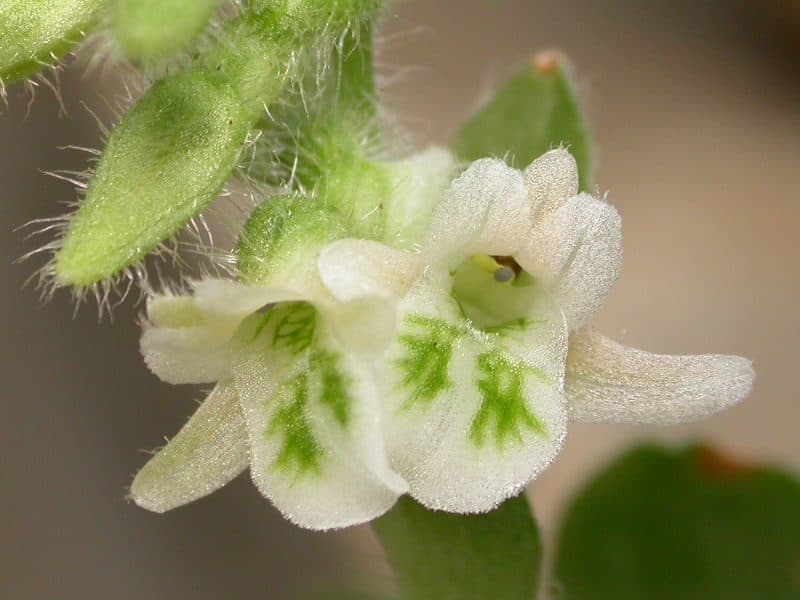
Lankesterella
Lankesterella is a genus of flowering plants belonging to the orchid family, Orchidaceae. Primarily found in South America, several species extend their range northward into the Caribbean and Central America. The genus is distinguished by its diverse geographical distribution and numerous recognized species.

Gongora
Gongora is a genus of orchids belonging to the family Orchidaceae, comprising around 65 species primarily found in Central America and tropical South America, with a significant concentration in Colombia. These epiphytic plants are distinguished by their pendulous inflorescences bearing numerous flowers that hang upside down, often with distinctive fragrances and waxy blooms. The genus is named in honor of Antonio Caballero y Gongora, a Spanish viceroy and governor.