Cleistesiopsis
Cleistesiopsis
Cleistesiopsis is a genus of terrestrial orchids native to the eastern and southeastern United States. Previously included in the genus Cleistes, these orchids are known for their unique flower structure and preference for acidic, moist soils found in savannas and pine woodlands. They are often referred to by the common names rosebud orchid and small spreading pogonia.
Key Facts
- ›Native to the eastern and southeastern United States, from New Jersey to Florida and west to Kentucky and Louisiana.
- ›Terrestrial orchids with a network of spreading fibrous roots.
- ›Typically grow in small clusters with a single flowering stem and one leaf.
- ›Flowers are 2-3 cm across and bloom in spring (April-May) or summer (July) depending on location.
- ›Prefers acidic, moist soils in savannas, meadows, and pine woodlands.

Rosebud Orchid, Small Spreading Pogonia
Terrestrial
Brown-Green
Spring, Summer
About Cleistesiopsis
Cleistesiopsis is a genus of terrestrial orchids belonging to the tribe Pogonieae. Until 2009, species now classified under Cleistesiopsis were included within the genus Cleistes. These orchids are native to the eastern and southeastern United States, with their range extending from New Jersey southward to Florida, and westward to Kentucky and Louisiana.
Characteristics
Cleistesiopsis are characterized as terrestrial orchids, growing from an underground network of spreading fibrous roots. They typically appear in small clusters, each featuring a single flowering stem. A distinctive single leaf blade is found approximately halfway up the stem, which usually measures between 30 and 45 centimeters in height. A smaller floral bract encircles the base of the flower, often giving the appearance of a second, smaller leaf.
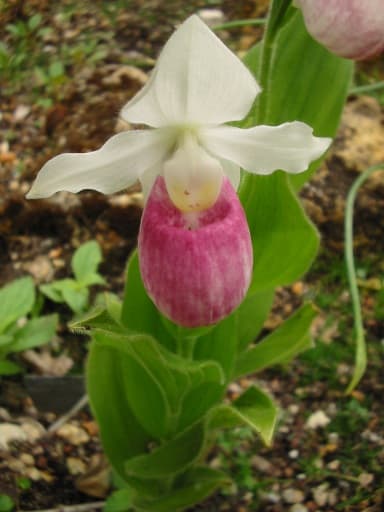
The flowers of Cleistesiopsis possess three brown-green sepals that spread upward from the stem. The flower structure is completed by two upper petals and a lip situated below, collectively forming a flower tube. The flowers themselves are relatively small, measuring 2 to 3 centimeters across.
Habitat and Blooming
These orchids prefer open habitats with acidic and moist soil conditions, commonly found in savannas, meadows, and openings within woodlands. Boggy pine woodlands are a typical environment. The soil is usually composed of rotting pine needles or other organic materials. In mountainous regions, the specific habitat requirements may differ, potentially being xeric (dry).
The blooming period for Cleistesiopsis varies geographically. Along the coastal plain areas, flowering typically occurs in the spring, generally from April to May. In the mountainous regions, the bloom season is later, around July.
Source: Wikipedia ↗
Frequently Asked Questions
What are the common names for Cleistesiopsis orchids?
Cleistesiopsis orchids are commonly known as the rosebud orchid and the small spreading pogonia. These names reflect their appearance and growth habit.
Where do Cleistesiopsis orchids naturally grow?
These orchids are native to the eastern and southeastern United States, with a range extending from New Jersey south to Florida and west to Kentucky and Louisiana. They are found in habitats like savannas, meadows, and pine woodlands.
What is the typical size of a Cleistesiopsis plant and its flower?
Mature Cleistesiopsis plants usually reach a height of 30 to 45 centimeters. Their flowers are relatively small, measuring between 2 and 3 centimeters in diameter.
When do Cleistesiopsis orchids bloom?
The blooming season for Cleistesiopsis varies by region. Along the coastal plain, they typically flower in the spring, from April to May. In mountainous areas, blooming can occur later, around July.
What kind of soil and environment do Cleistesiopsis orchids prefer?
Cleistesiopsis orchids thrive in acidic, moist soils rich in decaying organic matter, such as those found in boggy pine woodlands, savannas, and meadows. In mountain regions, their habitat may be drier.