
Cypripedium
Cypripedium
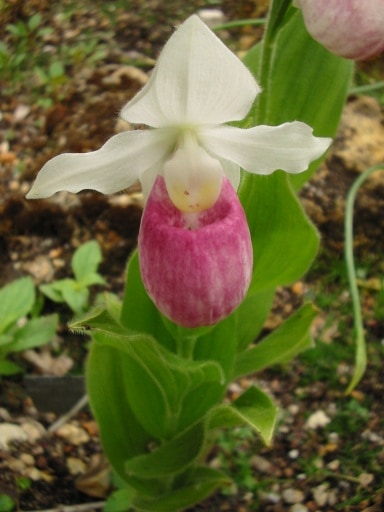
Cypripedium is a genus of hardy orchids, commonly known as lady's slipper orchids, comprising 58 species. These orchids are found across much of the Northern Hemisphere, from temperate and subtropical regions to the Arctic tundra and tropical areas. They are distinguished by their unique slipper-shaped lip, which plays a crucial role in attracting and trapping pollinators.
Key Facts
- ›Cypripedium comprises 58 species and nothospecies of hardy orchids.
- ›They are widely distributed across the Northern Hemisphere, including Europe, Asia, and North America.
- ›Commonly known as lady's slipper orchids, they are characterized by a distinctive slipper-shaped lip.
- ›Some species are adapted to cold climates, growing in tundra regions and blooming as snow melts.
- ›Due to habitat loss and over-collection, several species have become rare and are legally protected in some areas.
- ›Historically, Cypripedium species have been used medicinally in the Far East for over 2,500 years.
Slipper Orchids, Lady's Slipper Orchids, Ladyslippers, Moccasin Flower, Camel's Foot, Squirrel Foot, Steeple Cap, Venus' Shoes, Whippoorwill Shoe
Europe, Africa, Russia, China, Central Asia, Canada, United States, Mexico, Central America, Honduras, Myanmar, Alaska, Siberia
Terrestrial
About Cypripedium
Cypripedium: The Lady's Slipper Orchids
Cypripedium is a genus encompassing 58 species and nothospecies of hardy orchids, belonging to the subfamily Cypripedioideae, commonly known as lady's slipper orchids. These captivating plants are distributed widely across the Northern Hemisphere, with their natural ranges extending through much of Europe and Africa, Russia, China, Central Asia, Canada, the United States, Mexico, and Central America. Some species even thrive in unusually cold habitats, such as the tundra of Alaska and Siberia, while others are found in tropical areas like Honduras and Myanmar.
Characteristics and Cultivation
As terrestrial orchids, Cypripedium species typically grow in soil, featuring a short, robust rhizome that resides in the uppermost soil layer. Their stems, which lack pseudobulbs, grow from a bud at the rhizome's tip and usually bear leaves along their length. A notable exception is the pink lady's slipper, Cypripedium acaule, which has a short underground stem with leaves emerging directly from the soil. The flowers are a defining feature, characterized by three sepals and three petals, with two lateral sepals often fused. The most striking element is the lowermost, slipper-shaped lip, which is a specialized structure designed to attract and temporarily trap pollinators. The sepals and petals are generally similarly colored, often contrasting with the lip, though variations exist.
Distribution and Conservation
The genus name, derived from Greek mythology, refers to Aphrodite and her sandal, alluding to the distinctive lip shape. While many species inhabit temperate and subtropical climates, their adaptability extends to extreme cold, with some blooming as snowmelt occurs. Unfortunately, this beauty has also led to challenges. Due to habitat destruction and over-collection by enthusiasts, several Cypripedium species have become rare and face threats of extinction. Consequently, many species are now legally protected in their native regions, and significant conservation efforts are underway to preserve and restore these showy plants.
Historical Significance
Beyond their ecological and horticultural importance, Cypripedium species hold a long history of human use. Dating back approximately 2,500 years to the Far East, they were traditionally employed for medicinal purposes. This historical connection underscores the deep cultural and practical value these unique orchids have held across different societies for millennia.
Source: Wikipedia ↗
Frequently Asked Questions
What are Cypripedium orchids commonly called?
Cypripedium orchids are most commonly known as slipper orchids, lady's slipper orchids, or ladyslippers. Other common names include moccasin flower, camel's foot, squirrel foot, steeple cap, Venus' shoes, and whippoorwill shoe.
Where are Cypripedium orchids found naturally?
Cypripedium orchids are widespread across much of the Northern Hemisphere. Their natural habitats include most of Europe and Africa, Russia, China, Central Asia, Canada, the United States, Mexico, and Central America.
What makes the flower of a Cypripedium orchid distinctive?
The most distinctive feature of a Cypripedium flower is its striking slipper-shaped lip, which is lowermost. This unique structure is specially constructed to attract and temporarily trap pollinators.
Are there any conservation concerns for Cypripedium orchids?
Yes, several Cypripedium species have become rare and are close to extinction in the wild. This is due to habitat loss and over-collection, leading to legal protection for some species in certain regions.
What are the typical growth habits of Cypripedium orchids?
Cypripedium orchids are terrestrial, meaning they grow in soil. They typically have a short, robust rhizome that grows in the uppermost soil layer, with an erect stem bearing leaves.
Can Cypripedium orchids survive in cold climates?
Remarkably, some northern species of Cypripedium can withstand extreme cold. They grow under the snow in habitats like the tundra in Alaska and Siberia and bloom as the snow melts.
Related Orchid species

Hemipilia
Hemipilia is a genus of plants belonging to the Orchidaceae family. These orchids are native to a wide range of regions across Asia, including China, Japan, the Himalayas, Indochina, Siberia, and southern Russia, extending as far west as Poland. The genus is recognized for its diversity, with 73 accepted species.

Anacamptis
Anacamptis is a genus of terrestrial orchids in the family Orchidaceae, known for their distinctive hooded flowers. Derived from the Greek word "anakamptein," meaning "to bend backwards," the genus is found across Eurasia, thriving in grasslands, limestone deposits, or dunes. Historically, many Anacamptis species were classified under the broader genus Orchis before being separated in the late 20th century.

Cleistesiopsis
Cleistesiopsis is a genus of terrestrial orchids native to the eastern and southeastern United States. Previously included in the genus Cleistes, these orchids are known for their unique flower structure and preference for acidic, moist soils found in savannas and pine woodlands. They are often referred to by the common names rosebud orchid and small spreading pogonia.