
Homalopetalum
Homalopetalum
Homalopetalum is a genus of flowering plants belonging to the orchid family, Orchidaceae. It encompasses eight recognized species primarily found in Central America, northern South America, Mexico, and the West Indies. These orchids are distinguished by their varied geographic distribution and their place within the diverse orchid family.
Key Facts
- ›Contains 8 known species.
- ›Native to Central America, northern South America, Mexico, and the West Indies.
- ›Belongs to the Orchidaceae family.
- ›Several species are documented with specific geographic origins within its native range.
- ›The genus name is Homalopetalum.
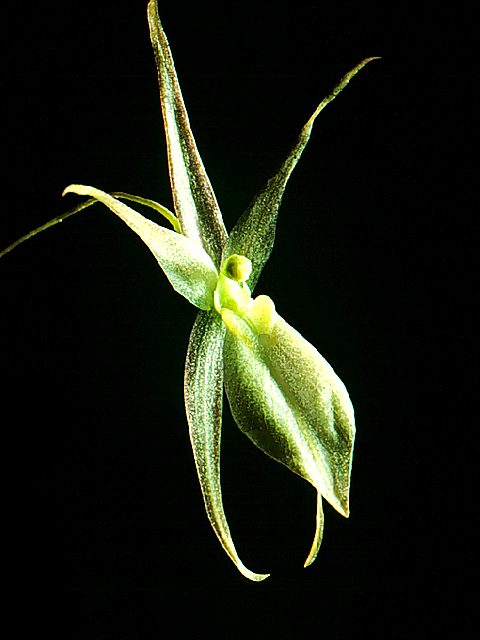
About Homalopetalum
Homalopetalum is a genus of flowering plants recognized within the Orchidaceae family, commonly known as the orchid family. This genus comprises eight established species, all of which are native to the Americas. Their natural distribution spans from Central America and Mexico down to northern South America, also including islands in the West Indies.
Species and Distribution
The eight known species within the Homalopetalum genus have distinct geographic origins. For instance, Homalopetalum alticola is found in Venezuela, while Homalopetalum hypoleptum originates from Brazil. Mexico is home to several species, including Homalopetalum kienastii, Homalopetalum pachyphyllum, and Homalopetalum pumilum. Cuba and the Dominican Republic are documented locations for Homalopetalum leochilus, and Homalopetalum vomeriforme is found in Cuba and Jamaica. Additionally, Homalopetalum pumilio has a wider range, occurring in Mexico, Central America, and Ecuador.
As members of the diverse Orchidaceae family, Homalopetalum orchids contribute to the vast array of plant life found in their native tropical and subtropical environments. Information regarding their specific growth habits, flower characteristics, or cultivation requirements is not detailed within the provided context, but their classification firmly places them within the botanical realm of orchids.
Source: Wikipedia ↗
Frequently Asked Questions
How many species are in the Homalopetalum genus?
The genus Homalopetalum is known to contain eight distinct species. These species are distributed across various regions in the Americas.
Where are Homalopetalum orchids found naturally?
Homalopetalum orchids are native to a broad geographic area that includes Central America, northern South America, Mexico, and the West Indies. Specific species have more localized distributions within these regions.
What family do Homalopetalum orchids belong to?
Homalopetalum orchids are part of the Orchidaceae family, which is one of the largest and most diverse families of flowering plants. This family is known for its complex and varied floral structures.
Are there specific documented locations for Homalopetalum species?
Yes, specific species within the Homalopetalum genus have documented native ranges. For example, Homalopetalum alticola is found in Venezuela, and Homalopetalum leochilus is found in Cuba and the Dominican Republic.
Related Orchid species
Brassia
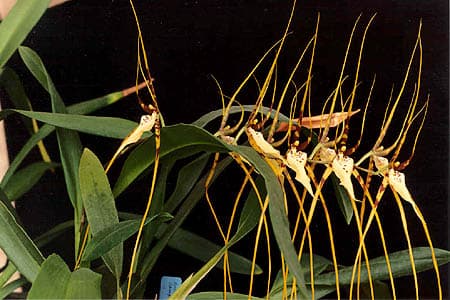
Brassia is a genus of orchids native to Mexico, Central America, the West Indies, and northern South America, with one species reaching Florida. These orchids are distinguished by their long, spreading tepals, earning them the common name "spider orchid." They are epiphytic plants found in wet forests and are known for their unique pollination method involving spider-hunter wasps.

Leochilus
Leochilus is a genus of flowering plants belonging to the orchid family, Orchidaceae. These orchids are native to a wide range across Mexico, Central America, northern South America, the West Indies, and Florida. They are characterized by their diverse distribution and are recognized within the botanical community for their specific morphological traits.
Comparettia
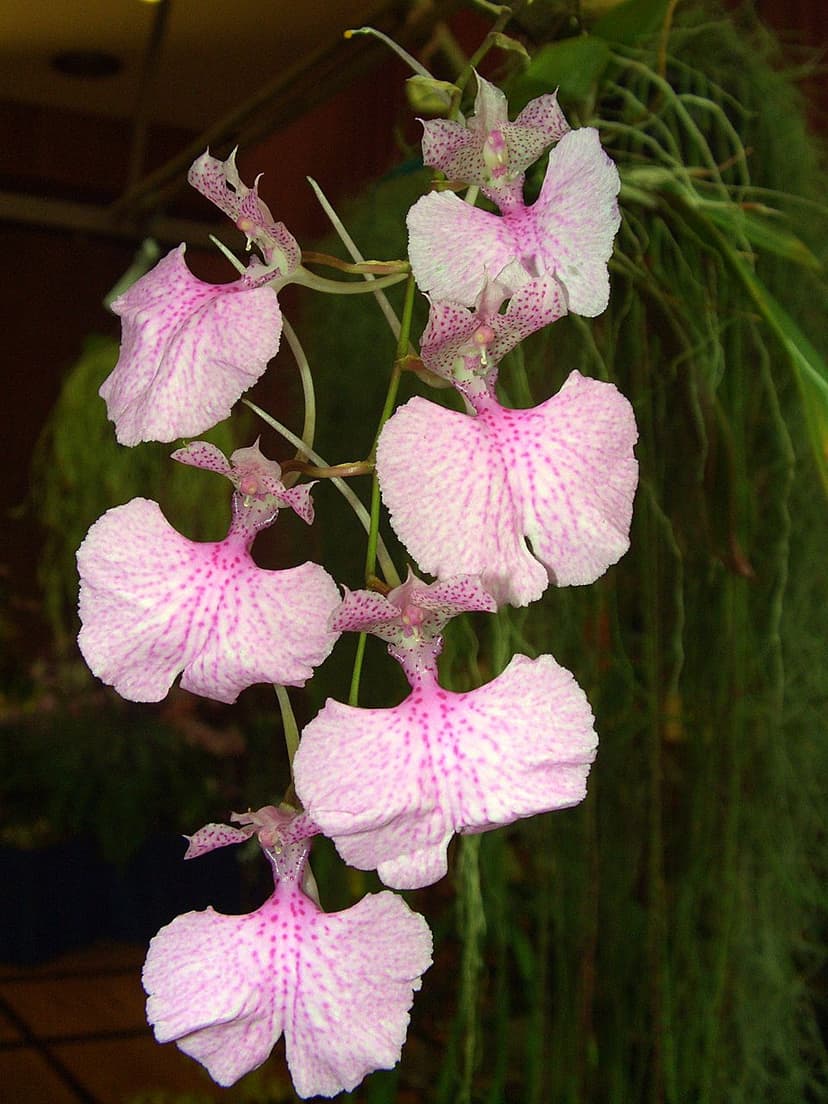
Comparettia is a genus of orchids native to tropical America, encompassing approximately 50-70 species. These orchids are found across Mexico, Central America, the West Indies, and northern South America, with a notable presence in the Andes. The genus has seen significant expansion in recent years due to the reclassification of numerous species from other orchid genera.