
Buru boobook
The Buru boobook (Ninox hantu) is a species of owl native to Indonesia, specifically found in subtropical or tropical moist lowland forests. It is distinguished by its dark upperparts contrasting with bright rufous underparts, and a white forehead, cheeks, and chin. This species is currently threatened by habitat loss.
Key Facts
- ›Found in Indonesia.
- ›Inhabits subtropical or tropical moist lowland forests.
- ›Distinctive plumage includes dark upperparts and bright rufous underparts.
- ›Has a white forehead, cheeks, and chin.
- ›Threatened by habitat loss.
- ›Previously considered a subspecies of the Moluccan boobook.
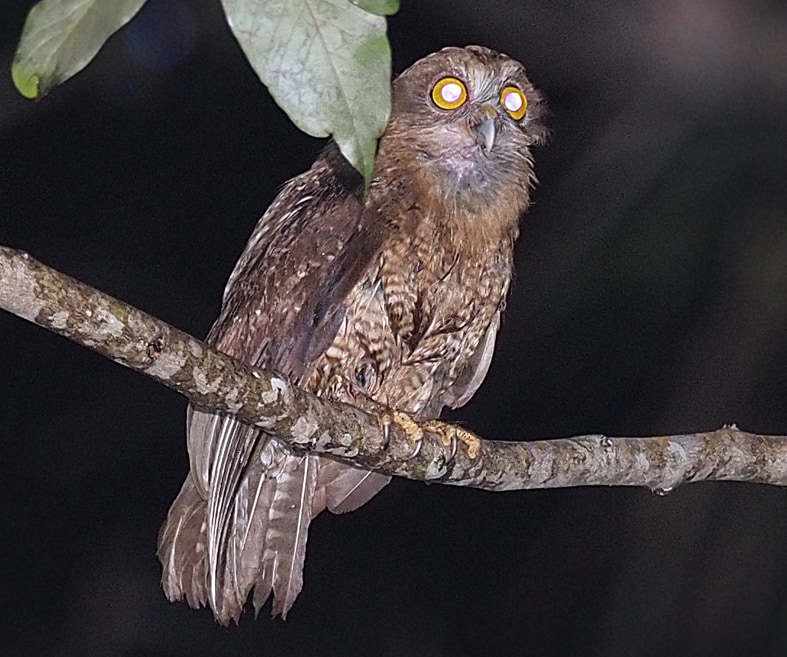
Buru Boobook
Subtropical Moist Lowland Forests, Tropical Moist Lowland Forests
Indonesia
About Buru boobook
The Buru boobook, scientifically known as Ninox hantu, is a species of owl native to Indonesia. It is primarily found inhabiting subtropical and tropical moist lowland forests.
Physical Characteristics
This owl is visually distinctive, featuring dark upperparts that contrast sharply with bright rufous underparts. The forehead, cheeks, and chin are marked with a slight white coloration. Its tarsi and toes are covered in bristles, and it possesses a horn-colored white bill. The irises of its eyes are yellow, and its feet are white.
Habitat and Conservation
The natural habitat of the Buru boobook is restricted to moist lowland forests within Indonesia. Unfortunately, the species is currently threatened by habitat loss, which poses a significant risk to its population.
Taxonomy
Historically, the Buru boobook was considered a subspecies of the Moluccan boobook. However, it is now recognized as a distinct species within the family Strigidae.
Source: Wikipedia ↗
Frequently Asked Questions
Where is the Buru boobook found?
The Buru boobook is found in Indonesia. Its natural habitat is subtropical or tropical moist lowland forests within the country.
What are the distinctive physical features of the Buru boobook?
The Buru boobook is characterized by its dark upper plumage and bright rufous underparts. It also features a white forehead, cheeks, and chin, along with bristly tarsi and toes.
What is the conservation status of the Buru boobook?
The Buru boobook is threatened by habitat loss. Specific conservation status details beyond this threat are not elaborated upon.
What was the previous classification of the Buru boobook?
The Buru boobook was formerly considered a subspecies of the Moluccan boobook. It has since been recognized as a distinct species.
Related Owl species
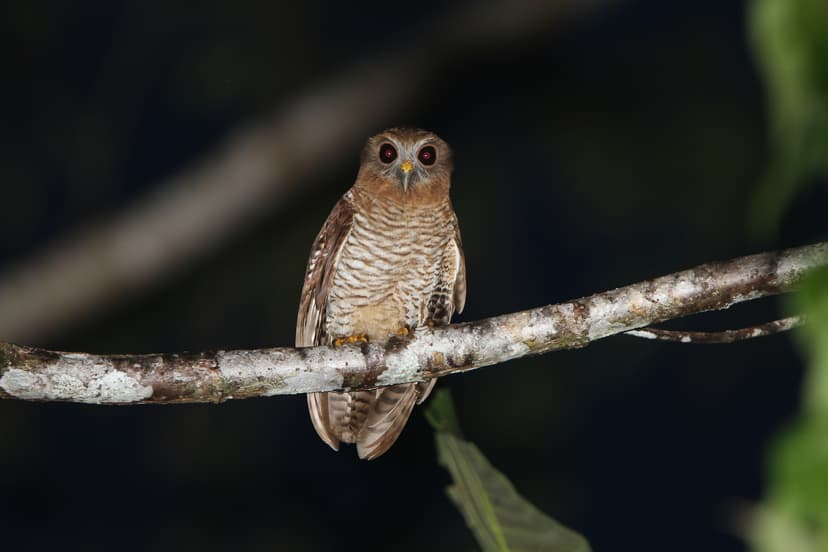
Seram boobook
The Seram boobook is a species of owl native to the Indonesian islands of Seram, Kelang, and Ambon. Its natural habitat consists of subtropical or tropical moist lowland forests, and it is known for its loud vocalizations in the early evening. This species is threatened by habitat loss and was previously considered a subspecies of the Moluccan boobook.

African barred owlet
The African barred owlet is a small owl species found across southern, central, and eastern Africa. It inhabits open woodlands and gallery forests, and is notable for being partly diurnal, often seen hunting during daylight hours. Its call is a distinctive purring sound, and it feeds on a variety of small prey.

Alor boobook
The Alor boobook (Ninox plesseni) is a species of owl native to the Pantar and Alor Islands in the eastern Lesser Sunda Islands. Previously classified as a subspecies of the Australian boobook, it was recognized as a distinct species in 2017 based on bioacoustic evidence.