
Seram boobook
The Seram boobook is a species of owl native to the Indonesian islands of Seram, Kelang, and Ambon. Its natural habitat consists of subtropical or tropical moist lowland forests, and it is known for its loud vocalizations in the early evening. This species is threatened by habitat loss and was previously considered a subspecies of the Moluccan boobook.
Key Facts
- ›Found on the Indonesian islands of Seram, Kelang, and Ambon.
- ›Inhabits subtropical or tropical moist lowland forests.
- ›Diet includes wild rats and snakes.
- ›Known for making loud vocalizations in the early evening.
- ›Threatened by habitat loss.
- ›Formerly considered a subspecies of the Moluccan boobook.
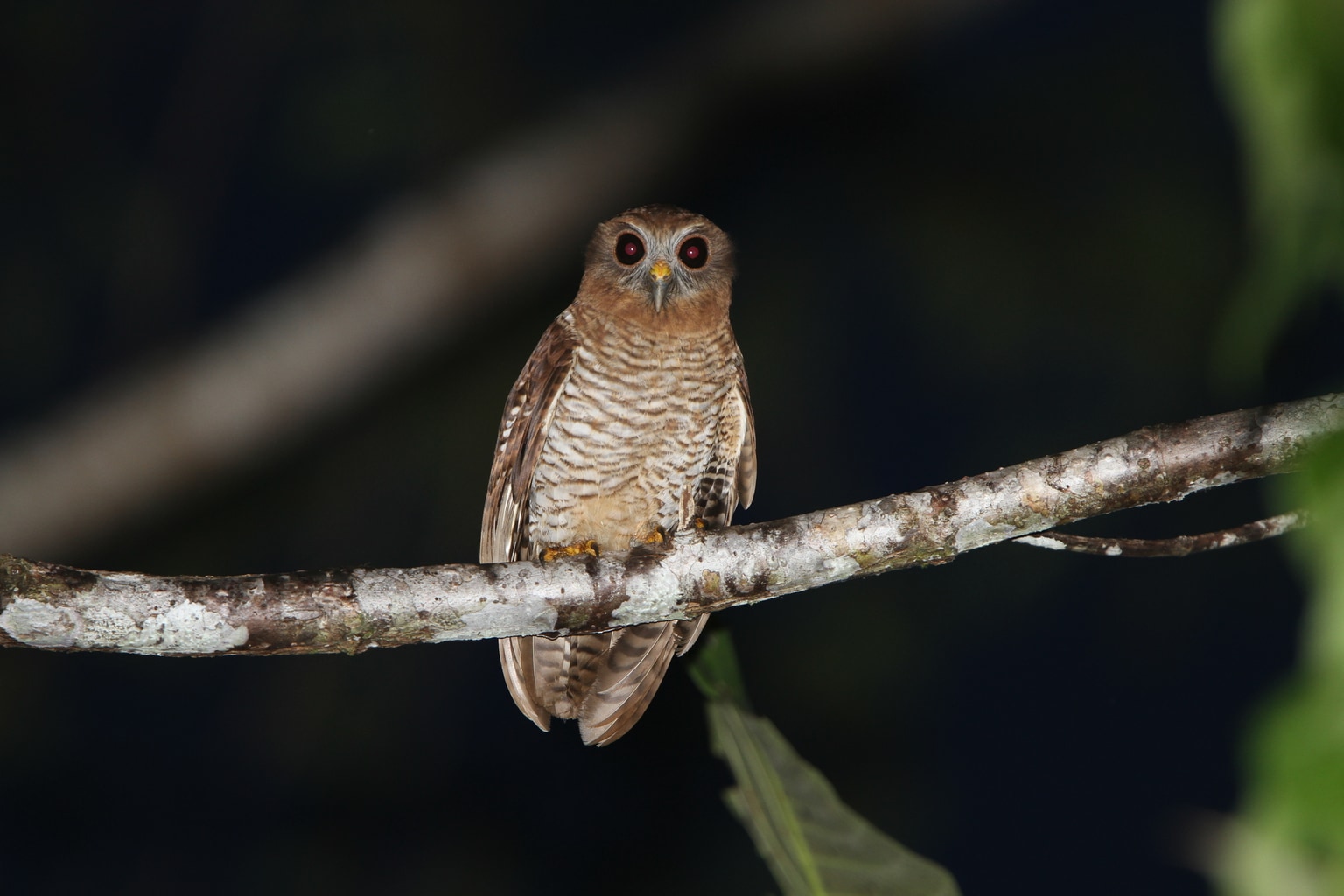
Hantu Boobook, Moluccan Boobook, Moluccan Hawk Owl
Subtropical Moist Lowland Forests, Tropical Moist Lowland Forests
Indonesia
Wild Rats, Snakes
About Seram boobook
The Seram boobook, scientifically known as Ninox squamipila, is a species of owl found on the Indonesian islands of Seram, Kelang, and Ambon. This owl is also recognized by common names such as the Hantu boobook, Moluccan boobook, and Moluccan hawk owl. Its preferred habitat is subtropical or tropical moist lowland forests, where it plays a role in the ecosystem.
Habitat and Diet
The natural environment for the Seram boobook consists of moist lowland forests in its native Indonesian archipelago. Its diet is known to include wild rats and snakes, indicating its predatory role within these forest ecosystems. The species is also noted for its vocalizations, specifically making loud calls in the early evening.
Taxonomy and Conservation
The Seram boobook belongs to the family Strigidae. It was formerly considered a subspecies of the broader Moluccan boobook complex, which comprises four distinct species. The Seram boobook faces threats primarily from habitat loss, which endangers its population and long-term survival. Its status as a distinct species has been clarified through taxonomic studies, differentiating it from related boobook owls in the region.
Source: Wikipedia ↗
Frequently Asked Questions
What are the different common names for the Seram boobook?
The Seram boobook is also known by the common names Hantu boobook, Moluccan boobook, and Moluccan hawk owl. These names reflect its geographic location and general appearance.
Where is the Seram boobook found?
The Seram boobook is native to the Indonesian islands of Seram, Kelang, and Ambon. These islands are located in the southern Maluku Islands region.
What kind of habitat does the Seram boobook prefer?
This owl species inhabits subtropical or tropical moist lowland forests. These environments provide the necessary cover and resources for its survival.
What does the Seram boobook eat?
The Seram boobook's diet consists of wild rats and snakes. These prey items are likely hunted within its forest habitat.
What is the conservation status of the Seram boobook?
The Seram boobook is threatened by habitat loss. This ongoing environmental pressure poses a significant risk to its population.
Was the Seram boobook always considered a separate species?
No, the Seram boobook was previously considered a subspecies of the Moluccan boobook. It is part of a species complex with three other recognized species.
Related Owl species
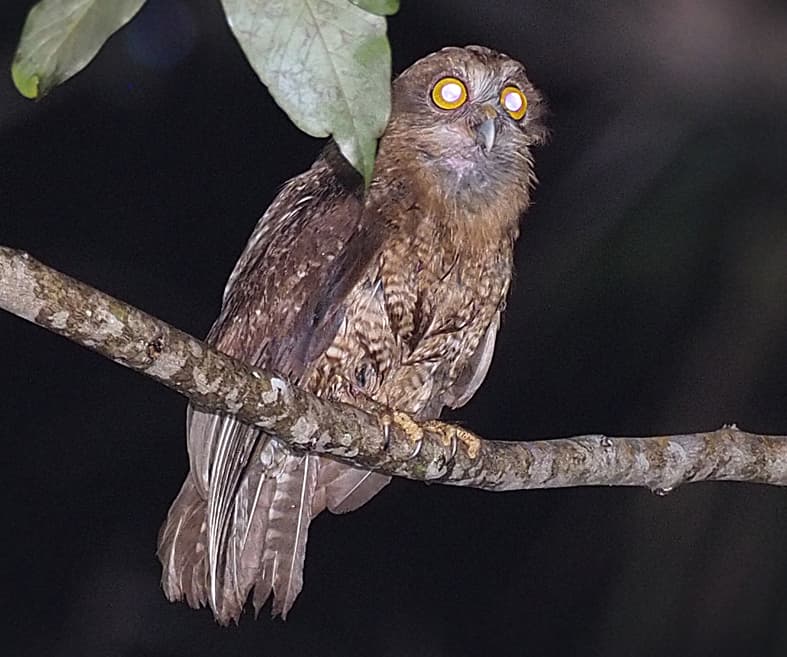
Buru boobook
The Buru boobook (Ninox hantu) is a species of owl native to Indonesia, specifically found in subtropical or tropical moist lowland forests. It is distinguished by its dark upperparts contrasting with bright rufous underparts, and a white forehead, cheeks, and chin. This species is currently threatened by habitat loss.

African barred owlet
The African barred owlet is a small owl species found across southern, central, and eastern Africa. It inhabits open woodlands and gallery forests, and is notable for being partly diurnal, often seen hunting during daylight hours. Its call is a distinctive purring sound, and it feeds on a variety of small prey.

Cloud-forest pygmy owl
The Cloud-forest pygmy owl, scientifically known as Glaucidium nubicola, is a small owl species found in the cloud forests of western Colombia and northwestern Ecuador. It is distinguished by its dark brown plumage, a rounded head without ear tufts, and distinctive "false eyespots" on its nape that likely deter predators.