
Arini
Psittacidae
The Arini are a diverse tribe of neotropical parrots, encompassing macaws and parakeets, distinguished by their vibrant plumage and long, pointed tails. They are found across the Americas, from the southern United States and the Caribbean to Mexico, Central America, and South America. This group includes some of the world's rarest birds, like the Spix's macaw, and the largest flying parrot, the hyacinth macaw, with several species now extinct.
Key Facts
- ›Belong to the tribe Arini within the subfamily Arinae, family Psittacidae.
- ›Characterized by colorful plumage and long, tapering tails.
- ›Native to Mexico, Central America, South America, the Caribbean, and the southern United States.
- ›Includes some of the world's rarest and largest parrot species.
- ›Several species are extinct or extinct in the wild, with some known only from subfossil remains.
- ›Some species are popular as pets, such as the blue-and-yellow macaw and sun conure.
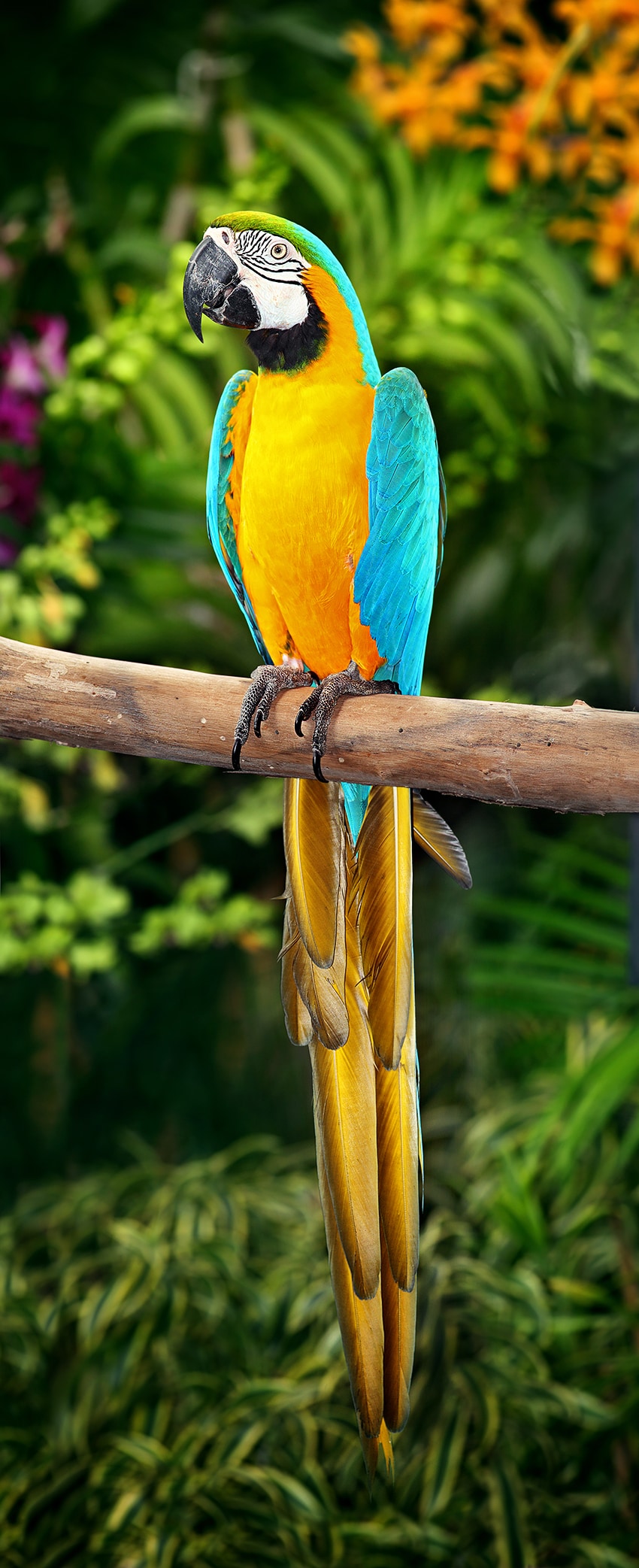
Macaws, Parakeets, Conures
Mexico, Central America, South America, Caribbean, Southern United States
Neotropical Environments
Colorful
Long, Tapering Tails
About Arini
The Arini Tribe of Parrots
The Arini tribe represents a significant and diverse group of neotropical parrots, characterized by their striking, colorful plumage and distinctive long, tapering tails. This monophyletic clade encompasses well-known macaws and parakeets, the latter often referred to as conures in the pet trade. Their natural distribution spans a vast area of the Americas, from the southern United States and the Caribbean islands down through Mexico, Central America, and across South America.
Evolutionary History and Diversity
Molecular studies place the divergence of the Arini tribe from ancestral neotropical parrots in the late Paleogene period, approximately 30 to 35 million years ago. This long evolutionary history has resulted in a wide array of species, some of which are exceptionally rare, such as the Spix's macaw, which is now extinct in the wild with only a few individuals surviving in captivity. Conversely, the tribe also includes the hyacinth macaw, recognized as the largest flying parrot species in the world. The Arini are classified within the subfamily Arinae, which itself is part of the family Psittacidae, one of the three families of true parrots.
Conservation Concerns and Aviculture
The Arini tribe's history is marked by both remarkable biodiversity and significant conservation challenges. Several species and even entire genera are now extinct, and some species are critically endangered or extinct in the wild, with their survival dependent on captive breeding programs. The rarity of some species contrasts with the popularity of others as pets; for instance, the blue-and-yellow macaw and the sun conure are common and beloved companion birds. The presence of extinct species, some known only from subfossil remains, and the description of numerous hypothetical extinct Caribbean macaws underscore the vulnerability of this group to environmental changes and human impact.
Source: Wikipedia ↗
Frequently Asked Questions
What distinguishes the Arini tribe of parrots?
The Arini tribe is characterized by its members' colorful plumage and long, tapering tails. This group includes both macaws and parakeets, often referred to as conures in aviculture. They are a monophyletic clade within the neotropical parrots.
Where are Arini parrots found geographically?
Arini parrots are found throughout the Americas. Their natural range extends from the southern United States and the Caribbean down through Mexico, Central America, and into South America. This broad distribution highlights their adaptability to various neotropical environments.
Are there any extinct species within the Arini tribe?
Yes, the Arini tribe has a history of extinction. Several genera and species are now extinct, and one genus is extinct in the wild. Additionally, two species are known only through subfossil remains, and numerous hypothetical extinct species have been described, particularly from the Caribbean.
What are some notable species within the Arini tribe?
The Arini tribe includes some of the most remarkable parrots. Notable species range from the extremely rare Spix's macaw, which is extinct in the wild, to the hyacinth macaw, recognized as the world's largest flighted parrot. Popular pet species like the blue-and-yellow macaw and sun conure also belong to this group.
When did the Arini tribe diverge from other parrots?
Molecular studies suggest that the Arini tribe diverged from the ancestral neotropical parrots during the late Paleogene period. This divergence is estimated to have occurred approximately 30 to 35 million years ago, indicating a long evolutionary history for this group.
Related Parrot species

Alexandrine parakeet
The Alexandrine parakeet is a large, predominantly green parrot native to South and Southeast Asia, distinguished by its prominent red shoulder patch and massive red beak with yellow tips. Named in honor of Alexander the Great, who introduced these birds to Europe, they are known for their intelligence, vocal abilities, and long lifespan, making them popular in aviculture. Despite their established presence in some areas, they face conservation challenges due to habitat loss and illegal trade.
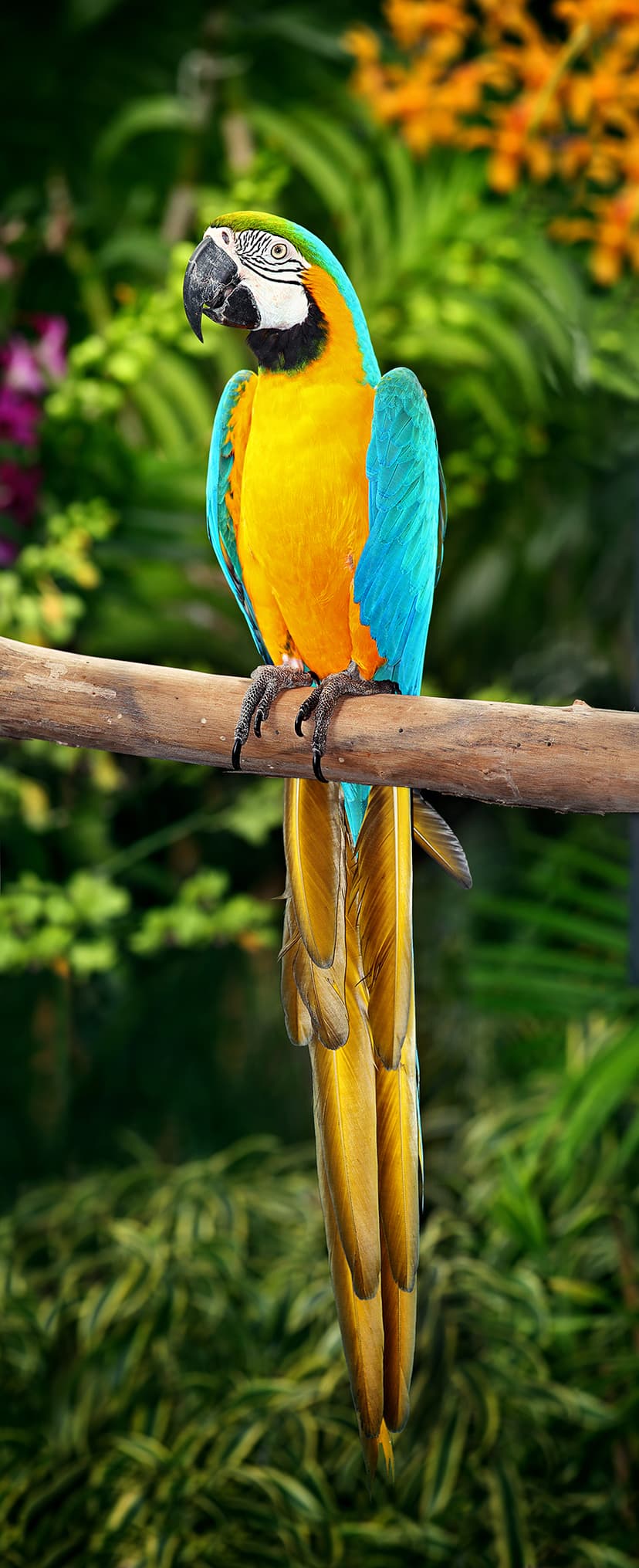
Arinae
The Arinae, commonly known as neotropical parrots or New World parrots, encompass approximately 150 species found across South and Central America, Mexico, the Caribbean, and the southern United States. These parrots are distinguished by their diverse forms, including iconic macaws, conures, and amazons, and have a long history of interaction with Europeans since their discovery in the late 15th century.

Australian king parrot
The Australian king parrot is a striking parrot species native to the humid, forested eastern regions of Australia. It is distinguished by the vibrant red plumage of the adult male, contrasting with the predominantly green female. These parrots are known for their relatively quiet nature and devotion to their human companions when kept as pets.